quarta-feira, outubro 07, 2026
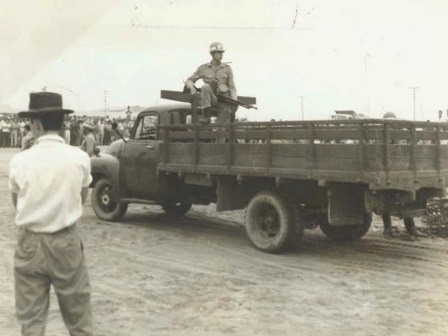
O Massacre de Ipatinga foi há 63 anos...
Postado por Fernando Martins às 06:30 0 comentários
Marcadores: Brasil, direitos humanos, Massacre de Ipatinga, sindicalismo
sexta-feira, setembro 18, 2026
Dag Hammarskjöld morreu há 65 anos...
Dag Hjalmar Agne Carl Hammarskjöld (Jönköping, 29 de julho de 1905 - Ndola, 18 de setembro de 1961) foi um diplomata sueco, ex-secretário-geral das Nações Unidas (ONU).
Postado por Fernando Martins às 06:50 0 comentários
Marcadores: Dag Hammarskjöld, direitos humanos, ONU, Prémio Nobel, Suécia
sábado, setembro 12, 2026
Biko...
Biko - Peter Gabriel
Ngomhla sibuyayo
Ngomhla sibuyayo
Ngomhla sibuyayo, kophalal'igazi!
Ngomhla sibuyayo
Ngomhla sibuyayo
Ngomhla sibuyayo, kophalal'igazi!
Bakhala uVorster!
Bakhala uVorster!
Ngomhla sibuyayo, kophalal'igazi!
Ngomhla sibuyayo
Ngomhla sibuyayo
Ngomhla sibuyayo, kophalal'igazi!
September '77
Port Elizabeth weather fine
It was business as usual
In police room 619
Oh Biko, Biko, because Biko
Yihla moja, yihla moja
The man is dead
The man is dead
When I try and sleep at night
I can only dream in red
The outside world is black and white
With only one colour dead
Oh Biko, Biko, because Biko
Yihla moja, yihla moja
The man is dead
The man is dead
You can blow out a candle
But you can't blow out a fire
Once the flames begin to catch
The wind will blow it higher
Oh Biko, Biko, because Biko
Yihla moja, yihla moja
The man is dead
The man is dead
Are watching now
Watching now
Senzeni na? Senzeni na?
Postado por Pedro Luna às 04:09 0 comentários
Marcadores: África do Sul, apartheid, Biko, direitos humanos, música, Peter Gabriel, Steve Biko, tortura
O iníquo regime de apartheid da África do Sul assassinou Steve Biko há 49 anos...
On 11 September 1977, police loaded him in the back of a Land Rover, naked and restrained in manacles, and began the 1,100 kilometres (680 mi) drive to Pretoria to take him to a prison with hospital facilities. He was nearly dead owing to the previous injuries. He died shortly after arrival at the Pretoria prison, on 12 September. The police claimed his death was the result of an extended hunger strike, but an autopsy revealed multiple bruises and abrasions and that he ultimately succumbed to a brain hemorrhage from the massive injuries to the head, which many saw as strong evidence that he had been brutally clubbed by his captors. Then Donald Woods, a journalist, editor and close friend of Biko's, along with Helen Zille, later leader of the Democratic Alliance political party, exposed the truth behind Biko's death.
Because of his high profile, news of Biko's death spread quickly, publicizing the repressive nature of the apartheid government. His funeral was attended by over 10,000 people, including numerous ambassadors and other diplomats from the United States and Western Europe. Donald Woods, who photographed his injuries in the morgue as proof of police abuse, was later forced to flee South Africa for England. Woods later campaigned against apartheid and further publicised Biko's life and death, writing many newspaper articles and authoring the book, Biko, which was later turned into the film Cry Freedom. Speaking at a National Party conference following the news of Biko's death then–minister of police, Jimmy Kruger said, "I am not glad and I am not sorry about Mr. Biko. It leaves me cold (Dit laat my koud). I can say nothing to you ... Any person who dies ... I shall also be sorry if I die."
After a 15-day inquest in 1978, a magistrate judge found there was not enough evidence to charge the officers with murder because there were no eyewitnesses. On 2 February 1978, based on the evidence given at the inquest, the attorney general of the Eastern Cape stated he would not prosecute. On 28 July 1979, the attorney for Biko's family announced that the South African government would pay them $78,000 in compensation for Biko's death.
The Truth and Reconciliation Commission, which was created following the end of minority rule and the apartheid system, reported that five former members of the South African security forces who had admitted to killing Biko were applying for amnesty. Their application was rejected in 1999.
On 7 October 2003, the South African justice ministry announced that the five policemen accused of killing Biko would not be prosecuted because the time limit for prosecution had elapsed and because of insufficient evidence.
A year after his death, some of his writings were collected and released under the title I Write What I Like.
Postado por Fernando Martins às 00:49 0 comentários
Marcadores: África do Sul, apartheid, Biko, direitos humanos, música, Steve Biko, tortura
quarta-feira, setembro 09, 2026
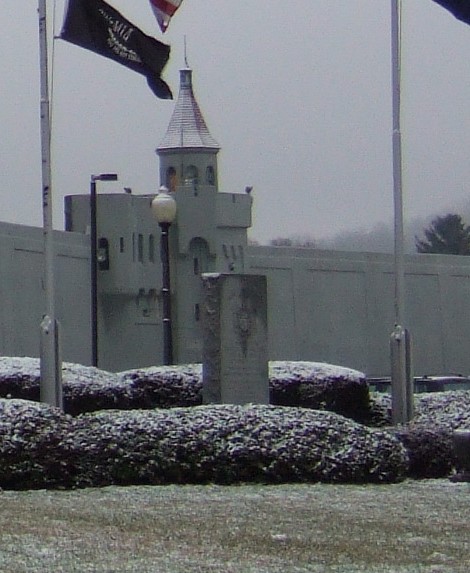
A Rebelião de Attica começou há 55 anos...
Postado por Fernando Martins às 00:55 0 comentários
Marcadores: direitos humanos, prisão, Rebelião de Attica
domingo, agosto 30, 2026
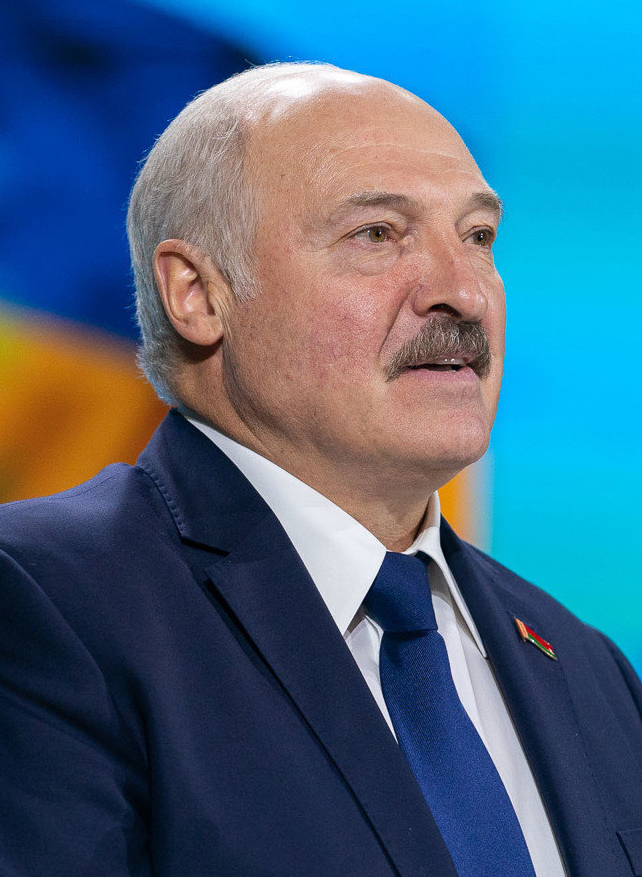
O presidente vitalício da Bielorrússia, marionete do ditador genocida russo, faz hoje 72 anos
O presidente bielorrusso, negacionista da pandemia de COVID-19, deu um discurso no qual disse que a doença não é nada grave, que poderia ser curada com vodka, sauna e trabalho no campo.
Grandes eventos como futebol e hóquei no gelo continuaram com sua agenda regularmente no país e Lukashenko chegou a dizer que jogar hóquei protege contra o vírus. "É melhor morrer de pé do que viver de joelhos! Não há vírus no gelo. Isto é um frigorífico. Eu vivo a mesma vida que sempre vivi, ainda ontem tive uma sessão de treino com a minha equipe. Encontrámo-nos, apertámos as mãos, abraçámo-nos, batemos uns nos outros".
Em 28 de julho de 2020, Lukashenko anunciou que testou positivo para a COVID-19, mas que já estava recuperado.
Logo após a sua reeleição em 2020, depois de 26 anos no poder, os bielorrussos começaram a protestar, dizendo que as eleições haviam sido fraudulentas. Segundo a Euronews em 11 de agosto, "Lukashenko diz que não passam de 'carneiros ao serviço das potências estrangeiras' e 'querem armar confusão no nosso país. Avisei que não iriam fazer o mesmo que na Ucrânia, por muito que queiram fazer isso. As pessoas têm de se acalmar'.
A sua opositora Svetlana Tikhanovskaya pediu a recontagem dos votos, mas teve que deixar o país logo após o pleito, refugiando-se na Lituânia. Antes, o marido de Svetlana, Sergei Tikhanovsky, um blogger popular, havia sido impedido de concorrer e enviado para a prisão.
Enquanto isto, Maria Vasilevich, escreveu no seu Instagram que os protestos deveriam parar. "Aqueles que causam desordem, parem com a agressão!", escreveu em seu Instagram.
Enquanto a União Europeia condenava a repressão aos protestos após as eleições de 2020, Lukashenko recebeu apoio da República Popular da China e da Rússia, de quem é aliado.
Em 3 de setembro de 2020, após o governo alemão ter noticiado no dia anterior que o opositor de Putin, Alexei Navalny, havia sido envenenado, Lukashenko disse que "não houve envenenamento de Navalny".Postado por Fernando Martins às 07:20 0 comentários
Marcadores: Bielorrússia, direitos humanos, ditadores, Lukashenko, Presidente da República, protetorado
sexta-feira, agosto 28, 2026
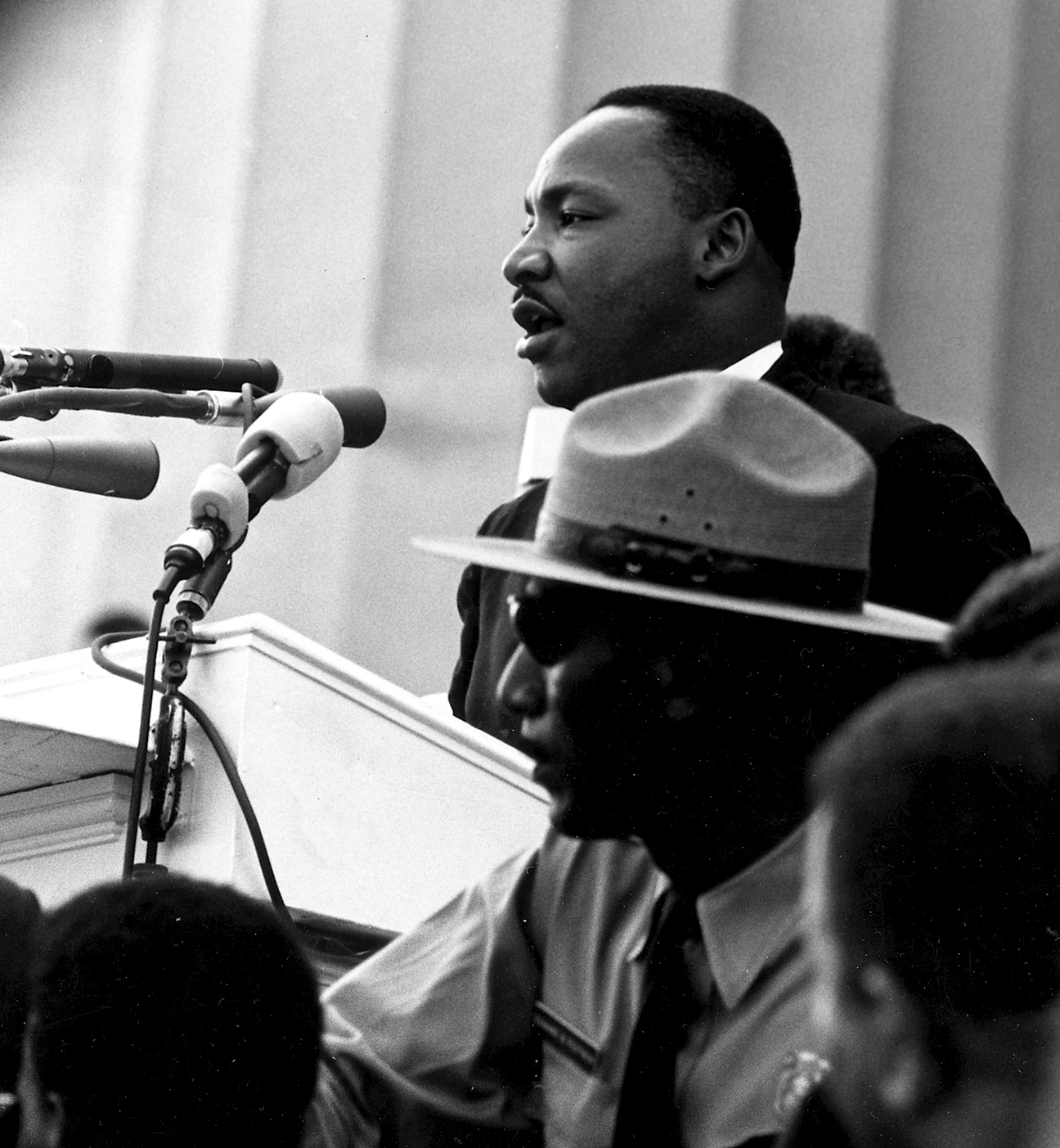
Martin Luther King teve um sonho há 63 anos...
"I have a dream speech"
I am happy to join with you today in what will go down in history as the greatest demonstration for freedom in the history of our nation.
Five score years ago, a great American, in whose symbolic shadow we stand, signed the Emancipation Proclamation. This momentous decree came as a great beacon light of hope to millions of Negro slaves who had been seared in the flames of withering injustice. It came as a joyous daybreak to end the long night of captivity.
But 100 years later, we must face the tragic fact that the Negro is still not free. One hundred years later, the life of the Negro is still sadly crippled by the manacles of segregation and the chains of discrimination. One hundred years later, the Negro lives on a lonely island of poverty in the midst of a vast ocean of material prosperity. One hundred years later, the Negro is still languishing in the corners of American society and finds himself an exile in his own land.
And so we've come here today to dramatize an appalling condition. In a sense we've come to our nation's capital to cash a cheque. When the architects of our republic wrote the magnificent words of the Constitution and the Declaration of Independence, they were signing a promissory note to which every American was to fall heir. This note was a promise that all men would be guaranteed the inalienable rights of "Life, Liberty, and the pursuit of Happiness."
It is obvious today that America has defaulted on this promissory note insofar as her citizens of colour are concerned. Instead of honouring this sacred obligation, America has given the Negro people a bad cheque which has come back marked "insufficient funds." But we refuse to believe that the bank of justice is bankrupt. We refuse to believe that there are insufficient funds in the great vaults of opportunity of this nation. So we've come to cash this cheque - a cheque that will give us upon demand the riches of freedom and the security of justice.
We have also come to this hallowed spot to remind America of the fierce urgency of now. This is no time to engage in the luxury of cooling off or to take the tranquilizing drug of gradualism. Now is the time to rise from the dark and desolate valley of segregation to the sunlit path of racial justice. Now is the time to lift our nation from the quicksands of racial injustice to the solid rock of brotherhood. Now is the time to make justice a reality for all of God's children.
It would be fatal for the nation to overlook the urgency of the moment. This sweltering summer of the Negro's legitimate discontent will not pass until there is an invigorating autumn of freedom and equality. 1963 is not an end, but a beginning. Those who hope that the Negro needed to blow off steam and will now be content will have a rude awakening if the nation returns to business as usual.
There will be neither rest nor tranquillity in America until the Negro is granted his citizenship rights. The whirlwinds of revolt will continue to shake the foundations of our nation until the bright day of justice emerges.
But there is something that I must say to my people, who stand on the warm threshold which leads into the palace of justice: in the process of gaining our rightful place we must not be guilty of wrongful deeds. Let us not seek to satisfy our thirst for freedom by drinking from the cup of bitterness and hatred. We must forever conduct our struggle on the high plane of dignity and discipline. We must not allow our creative protest to degenerate into physical violence. Again and again we must rise to the majestic heights of meeting physical force with soul force.
The marvellous new militancy which has engulfed the Negro community must not lead us to distrust of all white people, for many of our white brothers, as evidenced by their presence here today, have come to realize that their destiny is tied up with our destiny. They have come to realise that their freedom is inextricably bound to our freedom. We cannot walk alone. And as we walk, we must make the pledge that we shall march ahead. We cannot turn back.
There are those who are asking the devotees of civil rights: "When will you be satisfied?" We can never be satisfied as long as the Negro is the victim of the unspeakable horrors of police brutality. We can never be satisfied as long as our bodies, heavy with the fatigue of travel, cannot gain lodging in the motels of the highways and the hotels of the cities. We cannot be satisfied as long as the Negro's basic mobility is from a smaller ghetto to a larger one. We can never be satisfied as long as our children are stripped of their selfhood and robbed of their dignity by signs stating "For Whites Only". We cannot be satisfied and we will not be satisfied as long as a Negro in Mississippi cannot vote and a Negro in New York believes he has nothing for which to vote. No, no, we are not satisfied, and we will not be satisfied until justice rolls down like waters and righteousness like a mighty stream.
I am not unmindful that some of you have come here out of great trials and tribulations. Some of you have come fresh from narrow jail cells. Some of you have come from areas where your quest for freedom left you battered by the storms of persecution and staggered by the winds of police brutality. You have been the veterans of creative suffering. Continue to work with the faith that unearned suffering is redemptive.
Go back to Mississippi, go back to Alabama, go back to Georgia, go back to Louisiana, go back to the slums and ghettos of our northern cities, knowing that somehow this situation can and will be changed.
Let us not wallow in the valley of despair. I say to you today, my friends, that in spite of the difficulties and frustrations of the moment, I still have a dream. It is a dream deeply rooted in the American dream.
I have a dream that one day this nation will rise up and live out the true meaning of its creed - we hold these truths to be self-evident: that all men are created equal.
I have a dream that one day on the red hills of Georgia the sons of former slaves and the sons of former slave-owners will be able to sit down together at a table of brotherhood.
I have a dream that one day even the state of Mississippi, a desert state, sweltering with the heat of injustice and oppression, will be transformed into an oasis of freedom and justice.
I have a dream that my four little children will one day live in a nation where they will not be judged by the colour of their skin but by the content of their character.
I have a dream today!
I have a dream that one day, down in Alabama, with its vicious racists, with its governor having his lips dripping with the words of interposition and nullification; one day right there in Alabama little black boys and little black girls will be able to join hands with little white boys and white girls as sisters and brothers.
I have a dream today!
I have a dream that one day every valley shall be exalted, every hill and mountain shall be made low, the rough places will be made plain, and the crooked places will be made straight, and the glory of the Lord shall be revealed, and all flesh shall see it together.
This is our hope. This is the faith that I will go back to the South with. With this faith we will be able to hew out of the mountain of despair a stone of hope.
With this faith we will be able to transform the jangling discords of our nation into a beautiful symphony of brotherhood. With this faith we will be able to work together, to pray together, to struggle together, to go to jail together, to stand up for freedom together, knowing that we will be free one day.
This will be the day, this will be the day when all of God's children will be able to sing with a new meaning: "My country, 'tis of thee, sweet land of liberty, of thee I sing. Land where my fathers died, land of the pilgrim's pride, from every mountainside, let freedom ring." And if America is to be a great nation, this must become true.
And so let freedom ring from the prodigious hilltops of New Hampshire.
Let freedom ring from the mighty mountains of New York.
Let freedom ring from the heightening Alleghenies of Pennsylvania!
Let freedom ring from the snow-capped Rockies of Colorado.
Let freedom ring from the curvaceous peaks of California.
But not only that.
Let freedom ring from Stone Mountain of Georgia.
Let freedom ring from Lookout Mountain of Tennessee.
Let freedom ring from every hill and every molehill of Mississippi, from every mountainside, let freedom ring!
And when this happens, when we allow freedom to ring, when we let it ring from every village and every hamlet, from every state and every city, we will be able to speed up that day when all of God's children, black men and white men, Jews and Gentiles, Protestants and Catholics, will be able to join hands and sing in the words of the old Negro spiritual: "Free at last! Free at last! thank God Almighty, we are free at last!"
Postado por Fernando Martins às 06:30 0 comentários
Marcadores: afro-americanos, direitos humanos, Eu tenho um sonho, I have a dream, Martin Luther King
domingo, agosto 23, 2026
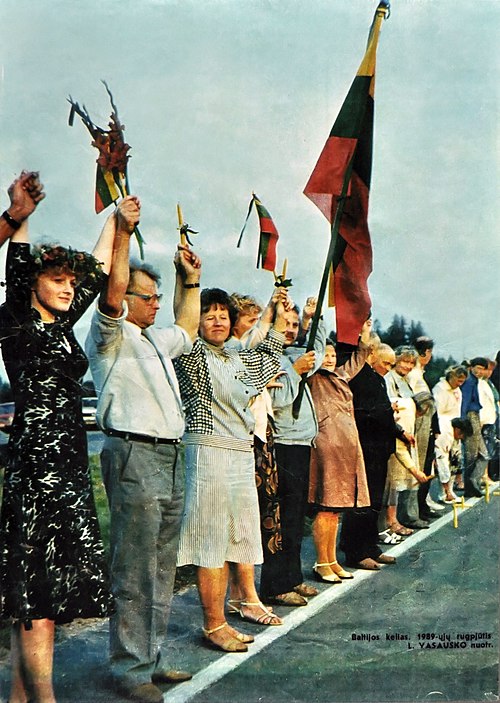
Os povos bálticos deram as mãos, para acabar com a ocupação soviética, há 37 anos...!
Postado por Fernando Martins às 00:37 0 comentários
Marcadores: Alemanha, comunismo, direitos humanos, Estónia, Letónia, Lituânia, nazis, Pacto Molotov-Ribbentrop, países bálticos, URSS
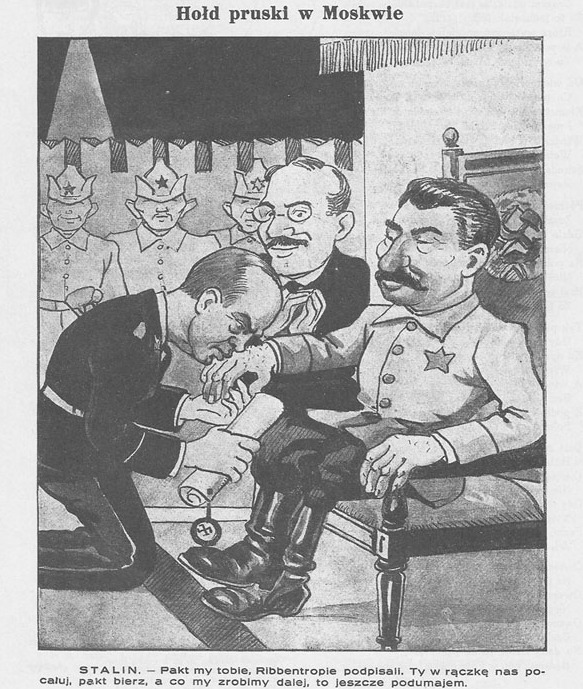
Estaline comprou os Países Bálticos e parte da Finlândia e Polónia e deu autorização a Hitler para começar a Guerra há 87 anos...
Antecedentes
Postado por Fernando Martins às 00:08 0 comentários
Marcadores: direitos humanos, Estaline, Estónia, Finlândia, Hitler, Letónia, Lituânia, nazis, ocupação, Pacto Molotov-Ribbentrop, Pacto Ribbentrop-Molotov, países bálticos, URSS
sexta-feira, agosto 21, 2026
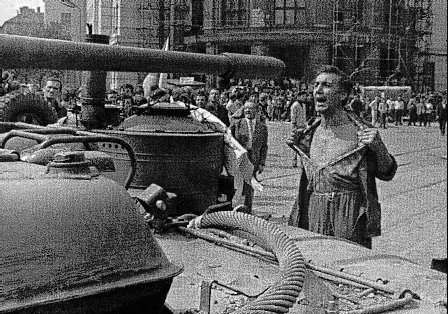
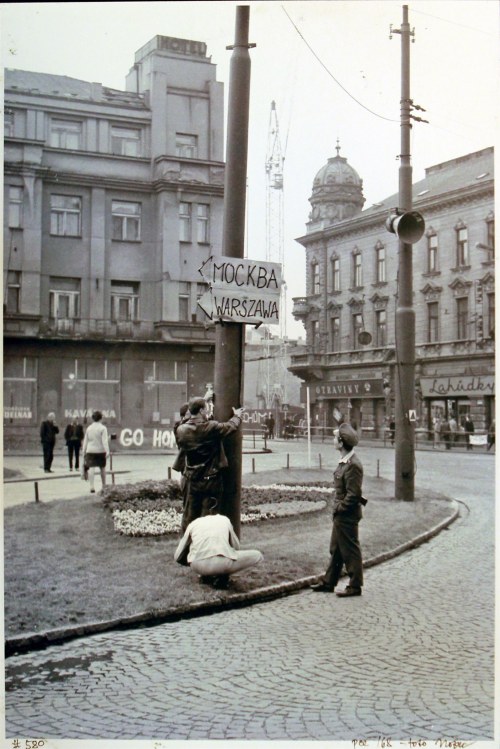
A escumalha estalinista acabou com a Primavera de Praga há 58 anos...
A Primavera de Praga foi um período de liberalização política na Checoslováquia durante a época de domínio pela União Soviética, após a Segunda Guerra Mundial. Esse período começou a 5 de janeiro de 1968, quando o reformista eslovaco Alexander Dubček chegou ao poder, e durou até ao dia 21 de agosto, quando a União Soviética e os países fantoches do Pacto de Varsóvia invadiram o país para interromper as reformas.
Não sei, não conheço, não direi, não tenho, não sei fazer, não darei, não posso, não irei, não ensinarei, não farei!
Postado por Fernando Martins às 00:58 0 comentários
Marcadores: Alexander Dubček, Checoslováquia, democracia, direitos humanos, Eslováquia, Pacto de Varsóvia, Primavera de Praga, República Checa, URSS