domingo, junho 22, 2025
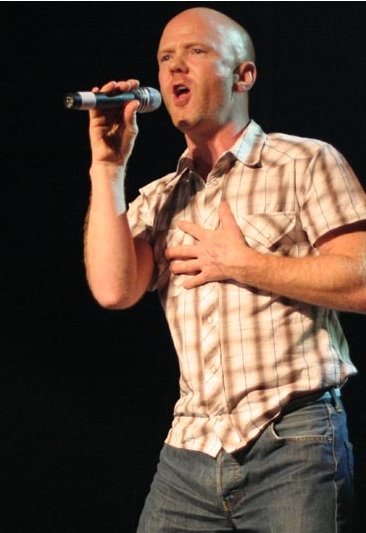
Jimmy Somerville faz hoje sessenta e quatro anos
Postado por
Fernando Martins
às
06:40
0
bocas
Marcadores: Bronski Beat, homossexuais, Jimmy Somerville, música, pop, So Cold The Night, The Communards
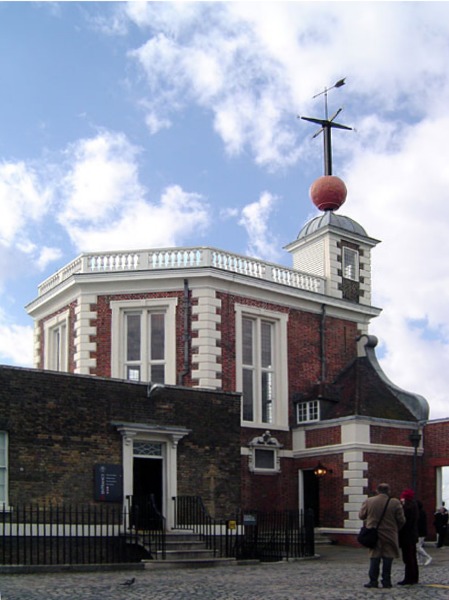
O Observatório Real de Greenwich faz hoje 350 anos

The Royal Observatory, Greenwich (ROG; known as the Old Royal Observatory from 1957 to 1998, when the working Royal Greenwich Observatory, RGO, temporarily moved south from Greenwich to Herstmonceux) is an observatory situated on a hill in Greenwich Park in south east London, overlooking the River Thames to the north. It played a major role in the history of astronomy and navigation, and because the Prime Meridian passed through it, it gave its name to Greenwich Mean Time, the precursor to today's Coordinated Universal Time (UTC). The ROG has the IAU observatory code of 000, the first in the list. ROG, the National Maritime Museum, the Queen's House and the clipper ship Cutty Sark are collectively designated Royal Museums Greenwich.
The observatory was commissioned in 1675 by King Charles II, with the foundation stone being laid on 10 August. The old hilltop site of Greenwich Castle was chosen by Sir Christopher Wren, a former Savilian Professor of Astronomy; as Greenwich Park was a royal estate, no new land needed to be bought. At that time the king also created the position of Astronomer Royal, to serve as the director of the observatory and to "apply himself with the most exact care and diligence to the rectifying of the tables of the motions of the heavens, and the places of the fixed stars, so as to find out the so much desired longitude of places for the perfecting of the art of navigation." He appointed John Flamsteed as the first Astronomer Royal. The building was completed in the summer of 1676. The building was often called "Flamsteed House", in reference to its first occupant.
The scientific work of the observatory was relocated elsewhere in stages in the first half of the 20th century, and the Greenwich site is now maintained almost exclusively as a museum, although the AMAT telescope became operational for astronomical research in 2018.

Chronology
- 1675 – 22 June, Royal Observatory founded by King Charles II.
- 1675 – 10 August, construction began.
- 1714 Longitude Act established the Board of Longitude and Longitude rewards. The Astronomer Royal was, until the Board was dissolved in 1828, always an ex officio Commissioner of Longitude.
- 1767 The fifth Astronomer Royal Nevil Maskelyne began publication of The Nautical Almanac, based on observations made at the Observatory.
- 1818 Oversight of the Royal Observatory was transferred from the Board of Ordnance to the Board of Admiralty; at that time the observatory was charged with maintaining the Royal Navy's marine chronometers.
- 1833 Daily time signals began, marked by dropping a time ball.
- 1838 – Sheepshanks equatorial, a 6.7 inches (170 mm) aperture refracting telescope installed.
- 1852 Time signals were distributed through telegraph lines.
- 1884 The International Meridian Conference in Washington D.C. decides that the Greenwich Prime Meridian should be the Prime meridian for the whole world, which it remains for a century.
- 1893 – The 28-inch Great refractor installed.
- 1899 The New Physical Observatory (now known as the South Building) was completed.
- 1924 Hourly time signals (Greenwich Time Signal) from the Royal Observatory were first broadcast on 5 February.
- 1931 Yapp telescope ordered.
- 1948 Office of the Astronomer Royal was moved to Herstmonceux in East Sussex.
- 1957 Royal Observatory completed its move to Herstmonceux, becoming the Royal Greenwich Observatory (RGO). The Greenwich site was renamed the Old Royal Observatory.
- 1984 The IERS Reference Meridian replaces the Greenwich Meridian as the Prime Meridian for the world. Its location is closely related to its predecessor, but runs approximately 102 metres east of it.
- 1990 RGO moved to Cambridge.
- 1998 RGO closed. Greenwich site was returned to its original name, the Royal Observatory, Greenwich, and was made part of the National Maritime Museum.
- 2011 The Greenwich museums, including the ROG, became collectively the Royal Museums Greenwich.
in Wikipédia
Postado por
Fernando Martins
às
03:50
0
bocas
Marcadores: astronomia, Carlos II, Greenwich, Inglaterra, meridiano de Greenwich
Wilhelm von Humboldt nasceu há 258 anos
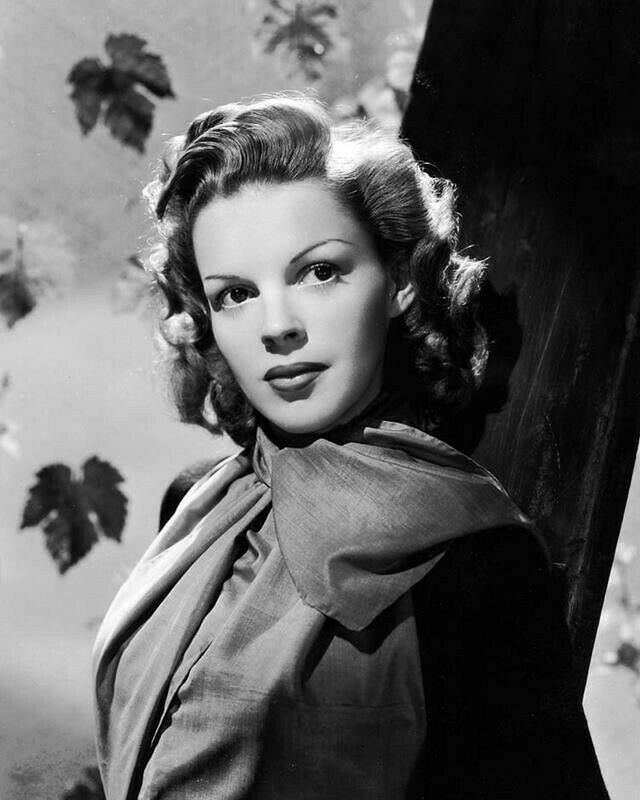
Judy Garland morreu há 56 anos...
Postado por
Fernando Martins
às
00:56
0
bocas
Marcadores: actriz, cinema, filmes musicais, Judy Garland, musicais, Óscar, overdose, Somewhere over the rainbow
Gordon Moakes, músico dos Bloc Party, nasceu há 49 anos
Gordon Peter Moakes (Newport Pagnell, Milton Keynes, England, 22 June 1976) is an English multi-instrumentalist and backing vocalist for English indie rock band Bloc Party
in Wikipédia
Postado por
Fernando Martins
às
00:49
0
bocas
Marcadores: alternative Rock, Banquet, Bloc Party, electronica, Gordon Moakes, guitarra, indie rock, post punk revival
John Fisher foi executado há 490 anos...
Postado por
Fernando Martins
às
00:49
0
bocas
Marcadores: contrarreforma, Henrique VIII, Igreja Anglicana, Igreja Católica, John Fisher, Reforma Protestante, Santos
Leire Martínez, ex-vocalista da banda La Oreja de Van Gogh, faz hoje 44 anos
Postado por
Fernando Martins
às
00:44
0
bocas
Marcadores: Electropop, Espanha, Euskadi, La Oreja de Van Gogh, La Playa, Leire Martínez, LOVG, música, pop, pop rock, Power pop
A Santa Inquisição condenou Galileu há 392 anos...
Galileo defended heliocentrism, and claimed it was not contrary to those Scripture passages. He took Augustine's position on Scripture: not to take every passage literally, particularly when the scripture in question is a book of poetry and songs, not a book of instructions or history. He believed that the writers of the Scripture merely wrote from the perspective of the terrestrial world, from that vantage point that the sun does rise and set. Another way to put this is that the writers would have been writing from a phenomenological point of view, or style. So Galileo claimed that science did not contradict Scripture, as Scripture was discussing a different kind of "movement" of the earth, and not rotations.
By 1616 the attacks on the ideas of Copernicus had reached a head, and Galileo went to Rome to try to persuade Catholic Church authorities not to ban Copernicus' ideas. In the end, a decree of the Congregation of the Index was issued, declaring that the ideas that the Sun stood still and that the Earth moved were "false" and "altogether contrary to Holy Scripture", and suspending Copernicus's De Revolutionibus until it could be corrected. Acting on instructions from the Pope before the decree was issued, Cardinal Bellarmine informed Galileo that it was forthcoming, that the ideas it condemned could not be "defended or held", and ordered him to abandon them. Galileo promised to obey. Bellarmine's instruction did not prohibit Galileo from discussing heliocentrism as a mathematical fiction but was dangerously ambiguous as to whether he could treat it as a physical possibility. For the next several years Galileo stayed well away from the controversy. He revived his project of writing a book on the subject, encouraged by the election of Cardinal Maffeo Barberini as Pope Urban VIII in 1623. Barberini was a friend and admirer of Galileo, and had opposed the condemnation of Galileo in 1616. The book, Dialogue Concerning the Two Chief World Systems, was published in 1632, with formal authorization from the Inquisition and papal permission.
Dava Sobel explains that during this time, Urban had begun to fall more and more under the influence of court intrigue and problems of state. His friendship with Galileo began to take second place to his feelings of persecution and fear for his own life. At this low point in Urban's life, the problem of Galileo was presented to the pope by court insiders and enemies of Galileo. Coming on top of the recent claim by the then Spanish cardinal that Urban was soft on defending the church, he reacted out of anger and fear. This situation did not bode well for Galileo's defence of his book.
Earlier, Pope Urban VIII had personally asked Galileo to give arguments for and against heliocentrism in the book, and to be careful not to advocate heliocentrism. He made another request, that his own views on the matter be included in Galileo's book. Only the latter of those requests was fulfilled by Galileo. Whether unknowingly or deliberately, Simplicio, the defender of the Aristotelian Geocentric view in Dialogue Concerning the Two Chief World Systems, was often caught in his own errors and sometimes came across as a fool. Indeed, although Galileo states in the preface of his book that the character is named after a famous Aristotelian philosopher (Simplicius in Latin, Simplicio in Italian), the name "Simplicio" in Italian also has the connotation of "simpleton". This portrayal of Simplicio made Dialogue Concerning the Two Chief World Systems appear as an advocacy book: an attack on Aristotelian geocentrism and defence of the Copernican theory. Unfortunately for his relationship with the Pope, Galileo put the words of Urban VIII into the mouth of Simplicio. Most historians agree Galileo did not act out of malice and felt blindsided by the reaction to his book. However, the Pope did not take the suspected public ridicule lightly, nor the Copernican advocacy. Galileo had alienated one of his biggest and most powerful supporters, the Pope, and was called to Rome to defend his writings.
In September 1632, Galileo was ordered to come to Rome to stand trial. He finally arrived in February 1633 and was brought before inquisitor Vincenzo Maculani to be charged. Throughout his trial Galileo steadfastly maintained that since 1616 he had faithfully kept his promise not to hold any of the condemned opinions, and initially he denied even defending them. However, he was eventually persuaded to admit that, contrary to his true intention, a reader of his Dialogue could well have obtained the impression that it was intended to be a defence of Copernicanism. In view of Galileo's rather implausible denial that he had ever held Copernican ideas after 1616 or ever intended to defend them in the Dialogue, his final interrogation, in July 1633, concluded with his being threatened with torture if he did not tell the truth, but he maintained his denial despite the threat. The sentence of the Inquisition was delivered on June 22. It was in three essential parts:
- Galileo was found "vehemently suspect of heresy", namely of having held the opinions that the Sun lies motionless at the centre of the universe, that the Earth is not at its centre and moves, and that one may hold and defend an opinion as probable after it has been declared contrary to Holy Scripture. He was required to "abjure, curse and detest" those opinions.
- He was sentenced to formal imprisonment at the pleasure of the Inquisition. On the following day this was commuted to house arrest, which he remained under for the rest of his life.
- His offending Dialogue was banned; and in an action not announced at the trial, publication of any of his works was forbidden, including any he might write in the future.
After a period with the friendly Ascanio Piccolomini (the Archbishop of Siena), Galileo was allowed to return to his villa at Arcetri near Florence in 1634, where he spent the remainder of his life under house arrest. Galileo was ordered to read the seven penitential psalms once a week for the next three years. However his daughter Maria Celeste relieved him of the burden after securing ecclesiastical permission to take it upon herself. It was while Galileo was under house arrest that he dedicated his time to one of his finest works, Two New Sciences. Here he summarised work he had done some forty years earlier, on the two sciences now called kinematics and strength of materials. This book has received high praise from Albert Einstein. As a result of this work, Galileo is often called the "father of modern physics". He went completely blind in 1638 and was suffering from a painful hernia and insomnia, so he was permitted to travel to Florence for medical advice.
Postado por
Fernando Martins
às
00:39
0
bocas
Marcadores: astronomia, Galileu, Galileu Galilei, heliocentrismo, Igreja Católica, Inquisição
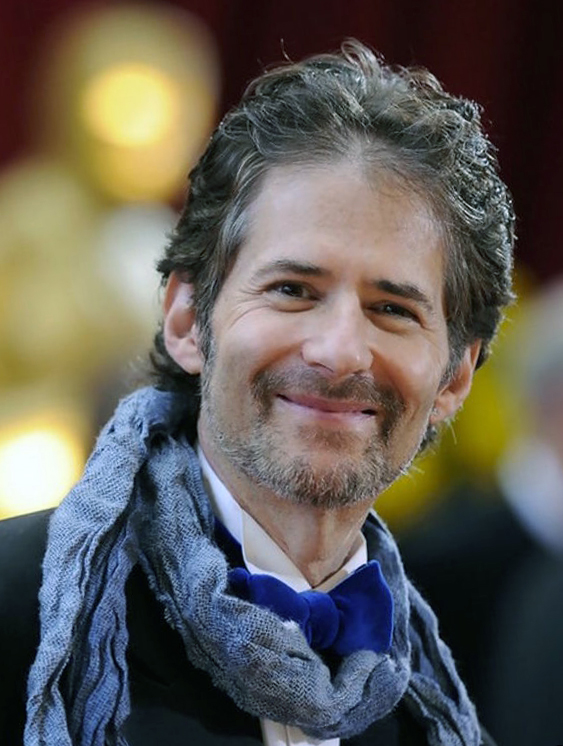
James Horner morreu há dez anos...
Iniciou-se na composição cinematográfica com obras menores, mas assim foi criando certa fama. Nos anos 80 e princípio dos 90 converte-se num dos pilares da música cinematográfica.
Foi nomeado para o Óscar em 7 ocasiões: Aliens, de 1986, Field of Dreams, de 1989, Braveheart, de 1995, Apollo 13, de 1995, Titanic, de 1997, A Beautiful Mind, de 2001, e House of Sand and Fog, de 2003; vencendo dois, com Titanic e Avatar, que foi indicado para o Óscar de 2010 de melhor banda sonora original.
Horner trabalhou com a colaboração dos cineastas tais como Don Bluth, Walter Hill, Nicholas Meyer, Phil Alden Robinson, Ron Howard, James Cameron e Mel Gibson.
James Horner faleceu em 22 de junho de 2015, aos 61 anos, quando o seu avião Embraer EMB-312 Tucano caiu no Los Padres National Forest, no sul da Califórnia. Ele era o único ocupante do avião. Embora o piloto não fosse imediatamente identificado, o advogado de Horner disse: "Sabemos que é o seu avião e nós sabemos que não tenho notícias dele." Variety confirmou posteriormente a morte de Horner. O seu assistente escreveu na sua página no Facebook "perdemos uma pessoa incrível com um coração enorme e inacreditável talento que morreu fazendo o que amava".
O seu último trabalho foi a banda sonora do filme "Os 33", com Rodrigo Santoro, Antonio Banderas e Gabriel Byrne no elenco, onde utilizou elementos musicais andinos.
Postado por
Fernando Martins
às
00:10
0
bocas
Marcadores: banda sonora, cinema, Hymn to the Sea, James Horner, música, My heart will go on, Óscar, Titanic
sábado, junho 21, 2025
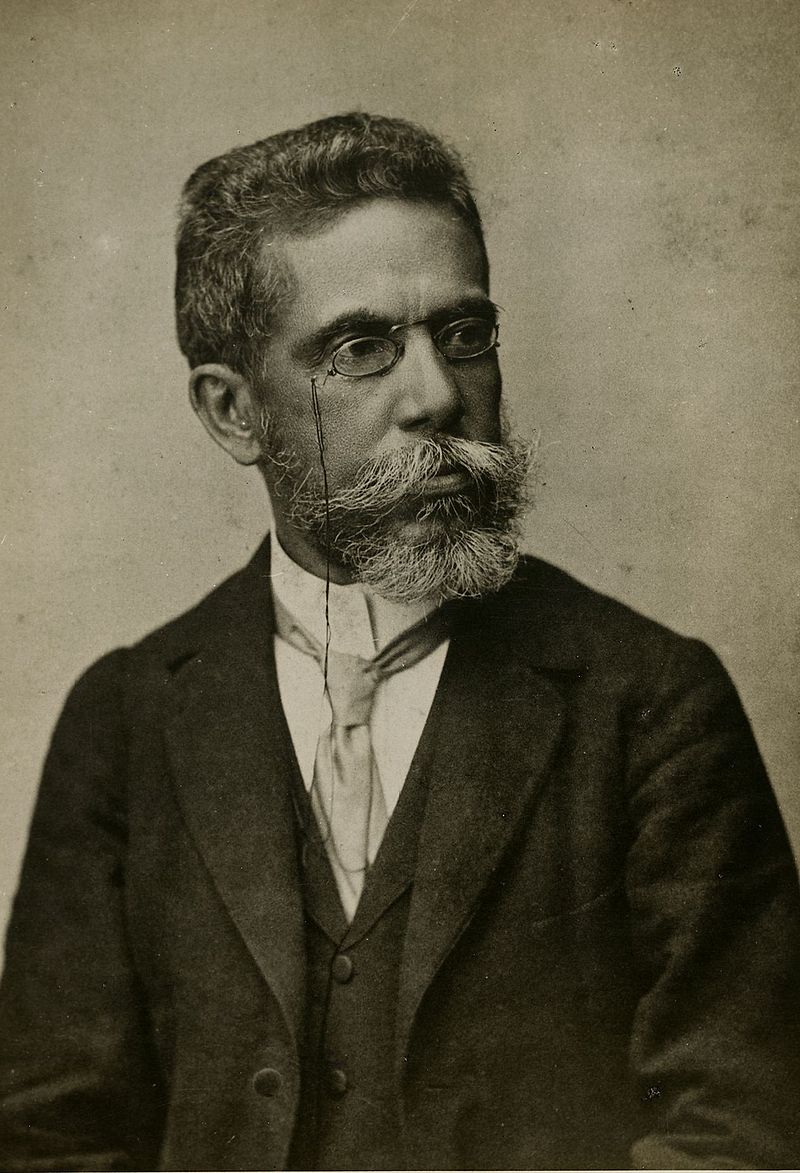
Machado de Assis nasceu há 186 anos
Joaquim Maria Machado de Assis (Rio de Janeiro, 21 de junho de 1839 – Rio de Janeiro, 29 de setembro de 1908) foi um escritor brasileiro, considerado por muitos críticos, estudiosos, escritores e leitores o maior nome da literatura brasileira. Escreveu em praticamente todos os géneros literários, sendo poeta, romancista, cronista, dramaturgo, contista, folhetinista, jornalista e crítico literário. Testemunhou a abolição da escravatura e a mudança política no país quando a República substituiu o Império, além das mais diversas reviravoltas pelo mundo em finais do século XIX e início do XX, tendo sido grande comentador e relator dos eventos político-sociais de sua época.
Nascido no Morro do Livramento, Rio de Janeiro, de uma família pobre, mal estudou em escolas públicas e nunca frequentou universidade. Para o considerado crítico literário norte-americano Harold Bloom, Machado de Assis é o maior escritor negro de todos os tempos, embora outros estudiosos prefiram especificar que Machado era mestiço, filho de um descendente de negros alforriados com portugueses e de uma lavadeira portuguesa. Seus biógrafos notam que, interessado pela boemia e pela corte, lutou para subir socialmente abastecendo-se de superioridade intelectual e da cultura da capital brasileira. Para isso, assumiu diversos cargos públicos, passando pelo Ministério da Agricultura, do Comércio e das Obras Públicas, e conseguindo precoce notoriedade em jornais onde publicava suas primeiras poesias e crónicas. Machado de Assis pôde assistir, durante sua vida, que abarca o final da primeira metade do século XIX até os anos iniciais do século XX, a enormes mudanças históricas na política, na economia e na sociedade brasileira e também mundial. Em sua maturidade, reunido a intelectuais e colegas próximos, fundou e foi o primeiro presidente unânime da Academia Brasileira de Letras.
A extensa obra machadiana constitui-se de dez romances, 205 contos, dez peças teatrais, cinco coletâneas de poemas e sonetos, e mais de seiscentas crónicas. Machado de Assis é considerado o introdutor do Realismo no Brasil, com a publicação de Memórias Póstumas de Brás Cubas (1881). Este romance é posto ao lado de todas suas produções posteriores, Quincas Borba, Dom Casmurro, Esaú e Jacó e Memorial de Aires, ortodoxamente conhecidas como pertencentes à sua segunda fase, em que notam-se traços de crítica social, ironia e até pessimismo, embora não haja rompimento de resíduos românticos. Dessa fase, os críticos destacam que suas melhores obras são as do que se passou a chamar de "Trilogia Realista". Sua primeira fase literária é constituída de obras como Ressurreição, A Mão e a Luva, Helena e Iaiá Garcia, onde notam-se características herdadas do Romantismo, ou "convencionalismo", como prefere a crítica moderna.
A sua obra foi de fundamental importância para as escolas literárias brasileiras do século XIX e do século XX e surge nos dias de hoje como de grande interesse académico e público para entender o Brasil e o mundo. Influenciou grandes nomes das letras, como Olavo Bilac, Lima Barreto, Drummond de Andrade, John Barth, Donald Barthelme e muitos outros. Ainda em vida, alcançou fama e prestígio pelo Brasil e países vizinhos. Hoje em dia, por sua inovação literária e por sua audácia em temas sociais e precoces, é frequentemente visto como o escritor brasileiro de produção sem precedentes, de modo que, recentemente, seu nome e sua obra têm alcançado diversos críticos, influenciados, estudiosos e admiradores do mundo inteiro. Machado de Assis é considerado um dos grandes génios da história da literatura, ao lado de autores como Dante, Shakespeare e Camões. Machado de Assis e Eça de Queiroz são considerados os dois maiores escritores em língua portuguesa do século XIX. Foi incluído na lista oficial dos Heróis Nacionais do Brasil e é homenageado pelo principal prémio literário brasileiro, o Prémio Machado de Assis.
in Wikipédia
Livros e flores
Teus olhos são meus livros.
Que livro há aí melhor,
Em que melhor se leia
A página do amor?
Flores me são teus lábios.
Onde há mais bela flor,
Em que melhor se beba
O bálsamo do amor?
Machado de Assis
Postado por
Fernando Martins
às
18:06
0
bocas
Marcadores: Brasil, literatura, Machado de Assis
Poema para celebrar a chegada da minha estação favorita...
O meu país sabe as amoras bravas
no verão.
Ninguém ignora que não é grande,
nem inteligente, nem elegante o meu país,
mas tem esta voz doce
de quem acorda cedo para cantar nas silvas.
Raramente falei do meu país, talvez
nem goste dele, mas quando um amigo
me traz amoras bravas
os seus muros parecem-me brancos,
reparo que também no meu país o céu é azul.
Postado por
Fernando Martins
às
11:11
0
bocas
Marcadores: astronomia, Eugénio de Andrade, poesia, Solstício, Verão
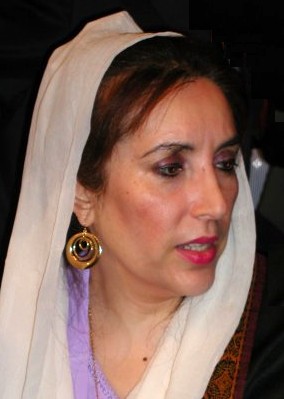
Benazir Bhutto nasceu há 72 anos...
O ataque ocorreu enquanto o carro da ex-primeira-ministra andava lentamente, seguido por simpatizantes, e Benazir acenava para a multidão, pelo teto aberto do veículo. Bhutto foi alvejada no pescoço e no peito, possivelmente por um homem bomba que, em seguida, se fez explodir próximo do veículo, provocando a morte de cerca de 20 pessoas. Um dirigente da Al-Qaeda no Afeganistão reivindicou a responsabilidade pelo ato.
Postado por
Fernando Martins
às
07:20
0
bocas
Marcadores: Al-Qaeda, assassinato, atentado, Benazir Bhutto, Islão, Muhammad Zia Ul-Haq, Paquistão, Partido Popular do Paquistão, PPP, primeiro-ministro, Zulfikar Ali Bhutto
Manu Chao comemora hoje sessenta e quatro anos
Postado por
Fernando Martins
às
06:40
0
bocas
Marcadores: anarquismo, França, Galiza, Mano Negra, Manu Chao, Me gustas tu, música latina, punk, reggae, Rock, ska, world music
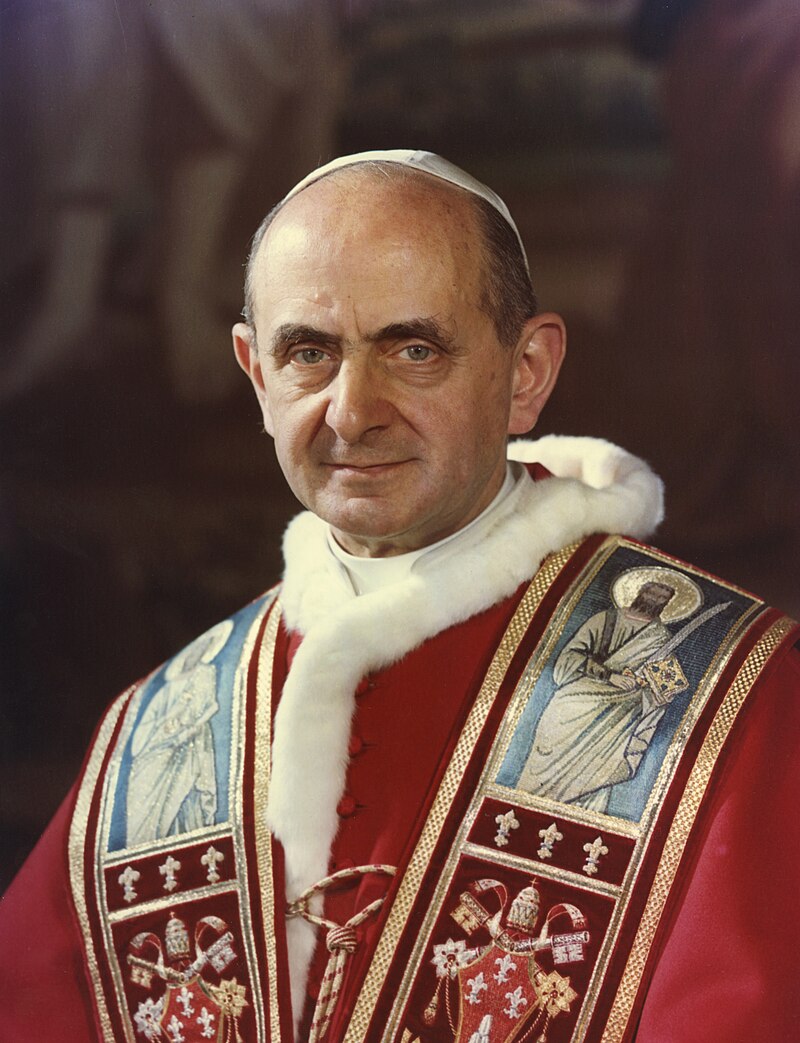
O Conclave escolheu São Paulo VI como Papa há 62 anos
O Papa Paulo VI, nascido Giovanni Battista Enrico Antonio Maria Montini (Concesio, 26 de setembro de 1897 – Castelgandolfo, 6 de agosto de 1978) foi o Sumo Pontífice da Igreja Católica Apostólica Romana e soberano da Cidade do Vaticano de 21 de junho de 1963 até à sua morte. Sucedeu ao Papa João XXIII, que convocou o Concílio Vaticano II, e decidiu continuar os trabalhos do seu predecessor. Promoveu melhorias nas relações ecuménicas com os Ortodoxos, Anglicanos e Protestantes, o que resultou em diversos encontros e acordos históricos.
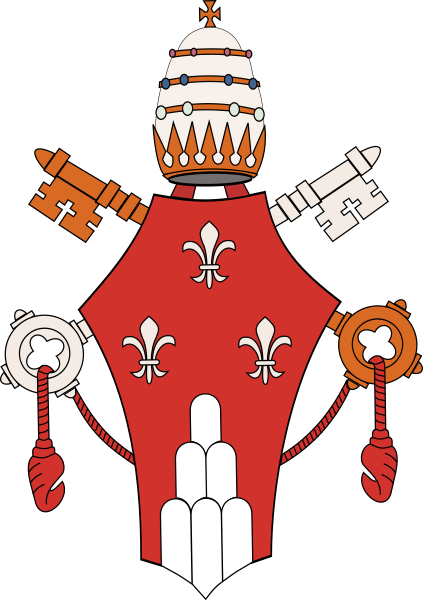
Brasão e lema do Papa Paulo VI
Postado por
Fernando Martins
às
06:20
0
bocas
Marcadores: Concílio Vaticano II, Habemus Papam, Igreja Católica, Papa, Papa Paulo VI, Paulo VI, Santos
Hoje é o dia maior do ano - começou o verão...!
Postado por
Fernando Martins
às
03:42
0
bocas
Marcadores: astronomia, Solstício, Verão
Skip James nasceu há 123 anos
Rimsky-Korsakov, músico russo do Grupo dos Cinco, morreu há 117 anos...
Postado por
Fernando Martins
às
01:17
0
bocas
Marcadores: Grupo dos Cinco, Nikolai Rimsky-Korsakov, O voo do besouro de Czar Saltan, Rimsky-Korsakov, romantismo, Rússia
Anette Olzon - 54 anos
Postado por
Fernando Martins
às
00:54
0
bocas
Marcadores: Amaranth, Anette Olzon, Finlândia, metal sinfónico, música, Nightwish


.jpg)