sábado, dezembro 17, 2022
Os Simpsons fazem hoje 33 anos
Postado por Fernando Martins às 00:33 0 comentários
Marcadores: desenhos animados, Humor, Os Simpsons
A Rainha Dª Maria I nasceu há 288 anos
D.ª Maria I de Portugal, de nome completo Maria Francisca Isabel Josefa Antónia Gertrudes Rita Joana de Bragança (Lisboa, 17 de dezembro de 1734 - Rio de Janeiro, 20 de março de 1816) foi Rainha de Portugal de 24 de fevereiro de 1777 a 20 de março de 1816, sucedendo ao seu pai, El-Rei José I. D. Maria foi, antes de assumir o trono, Princesa do Brasil, Princesa da Beira e duquesa de Bragança.
Postado por Fernando Martins às 00:28 0 comentários
Marcadores: Brasil, D. Maria I, dinastia de Bragança, Rainha de Portugal
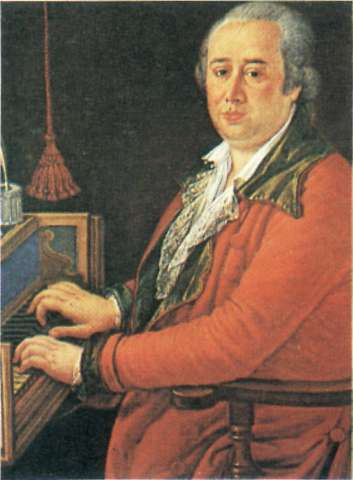
Domenico Cimarosa nasceu há 273 anos
Postado por Fernando Martins às 00:27 0 comentários
Marcadores: Domenico Cimarosa, Itália, música, Nápoles, Ópera, ópera buffa, Resta in pace idolo mio
Simón Bolívar morreu há 192 anos...
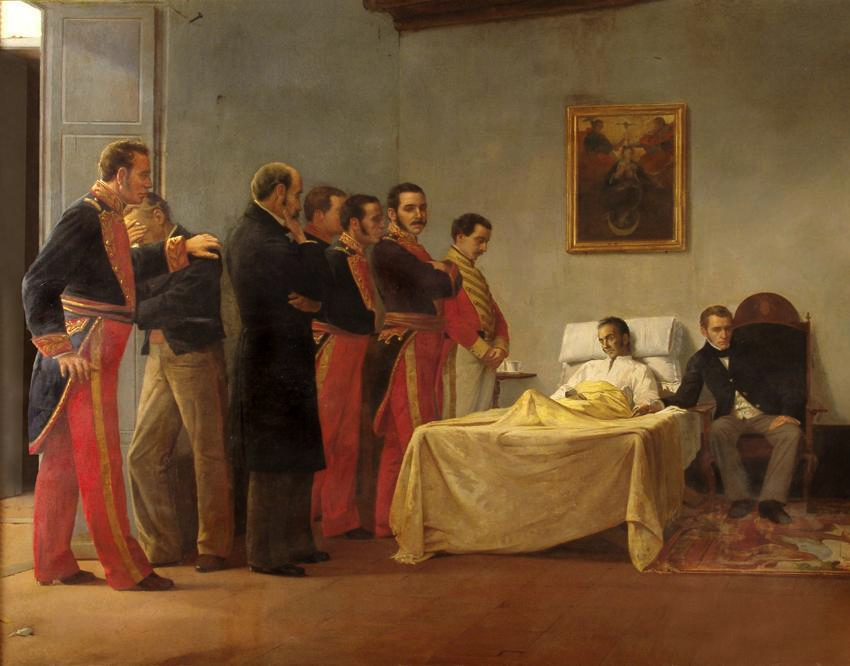
Simón José Antonio de la Santísima Trinidad Bolívar y Palacios Ponte-Andrade y Blanco (Caracas, 24 de julho de 1783 - Santa Marta, 17 de dezembro de 1830), comumente conhecido como Simón Bolívar, foi um militar e líder político venezuelano. Juntamente com José de San Martín, foi uma das peças chave nas guerras de independência da América Espanhola do Império Espanhol.
Postado por Fernando Martins às 00:19 0 comentários
Marcadores: América Latina, democracia, Simón Bolívar
A Primavera Árabe começou há doze anos...
Postado por Fernando Martins às 00:12 0 comentários
Marcadores: autoimolação, Mohamed Bouazizi, Primavera Árabe, suicídio, Tunísia
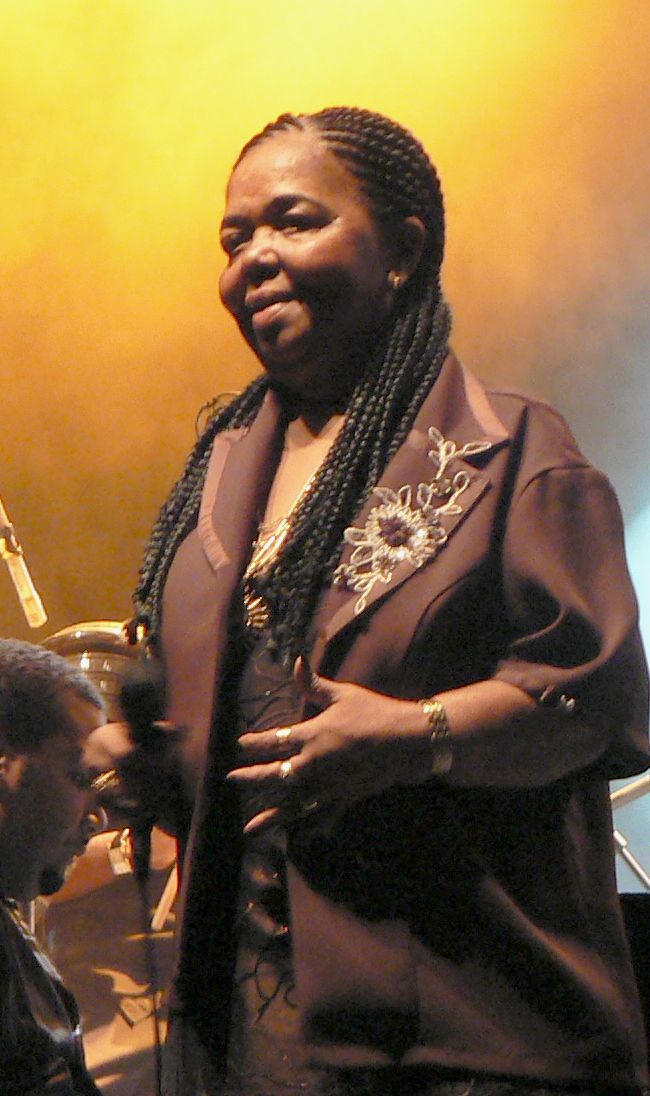
Cesária Évora morreu há onze anos...
Postado por Fernando Martins às 00:11 0 comentários
Marcadores: Cabo Verde, Cesária Évora, criolo, Lua nha testemunha, morna, música
O grande democrata Querido Líder morreu há onze anos...
NOTA: uma democracia tão avançada e tão amada merece uma nota especial neste dia - queríamos dedicar este post aos camaradas deputados que ainda não entenderam bem o conceito de democracia e que acham que a Coreia do Norte é uma democracia.
Postado por Fernando Martins às 00:11 0 comentários
Paul Butterfield nasceu há oitenta anos...
Postado por Fernando Martins às 00:08 0 comentários
Marcadores: blue-eyed soul, blues, blues rock, Chicago blues, Electric blues, harmónica, Paul Butterfield, Walking Blues
sexta-feira, dezembro 16, 2022
Billy Gibbons, o cantor e guitarrista dos ZZ Top, faz hoje 73 anos
William Frederick Gibbons mais conhecido como Billy Gibbons (Houston, 16 de dezembro de 1949) apelidado de Reverend Willie G, é um cantor, compositor e guitarrista americano da banda ZZ Top. Foi considerado o 32º maior guitarrista de todos os tempos pela revista norte-americana Rolling Stone.
Postado por Fernando Martins às 07:30 0 comentários
Marcadores: Billy Gibbons, blues rock, country rock, guitarra, hard rock, I Gotsta Get Paid, música, Pearly Gates, Rock, Southern Rock, ZZ Top
A última e desesperada tentativa dos nazis de ganhar a guerra começou há 78 anos
Postado por Fernando Martins às 07:08 0 comentários
Marcadores: Batalha das Ardenas, Batalha do Bulge, II Grande Guerra, II Guerra Mundial, nazis
Benny Andersson, dos ABBA, faz hoje 76 anos
Postado por Fernando Martins às 07:06 0 comentários
Marcadores: ABBA, Benny Andersson, disco, música, pop, SOS, Suécia
Afonso de Albuquerque morreu há 507 anos
Postado por Fernando Martins às 05:07 0 comentários
Marcadores: Afonso de Albuquerque, descobrimentos, Duque de Goa, Estado Português da Índia, Malaca, Vice-Rei
Beethoven nasceu (provavelmente...) há 252 anos
Postado por Fernando Martins às 02:52 0 comentários
Marcadores: Alemanha, Beethoven, Ludwig Van Beethoven, música, música clássica, Pathetique, romantismo
François-Adrien Boieldieu nasceu há 247 anos
Postado por Fernando Martins às 02:47 0 comentários
Marcadores: França, François-Adrien Boieldieu, La Dame blanche, música, Ópera
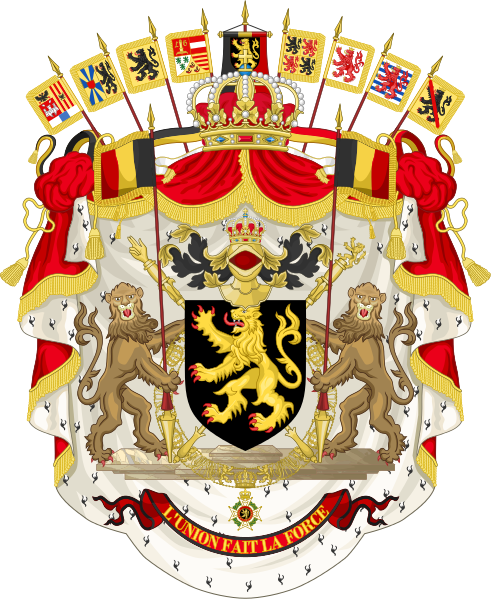
O primeiro Rei dos Belgas nasceu há 232 anos
- Luís Filipe Leopoldo Vítor Ernesto (24 de julho de 1833 - 16 de maio de 1834), duque de Brabante;
- Leopoldo Luís Filipe Maria Vítor (9 de abril de 1835 - 17 de dezembro de 1909), mais tarde Leopoldo II, rei dos belgas;
- Filipe Eugénio Fernando Maria Clemente Balduíno Leopoldo Jorge (24 de março de 1837 - 17 de novembro de 1905), conde de Flandres;
- Maria Carlota Amélia Augustina Vitória Clementina Leopoldina (7 de junho de 1840 - 19 de janeiro de 1927), princesa da Bélgica e imperatriz do México.
Postado por Fernando Martins às 02:32 0 comentários
Marcadores: Bélgica, Leopoldo I, Monarquia, Saxe-Coburgo-Gota
A crise sísmica de New Madrid começou há 211 anos
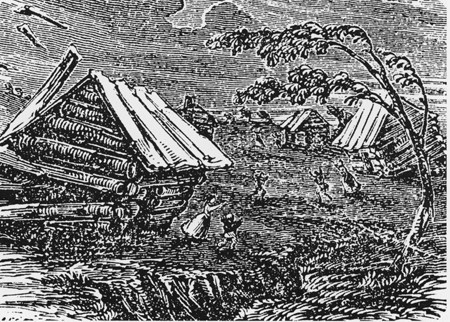
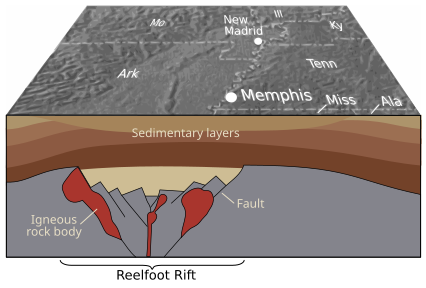
The 1811–1812 New Madrid earthquakes were an intense intraplate earthquake series beginning with an initial earthquake of moment magnitude (7,5 -7,9) on December 16, 1811 followed by a moment magnitude 7,4 aftershock on the same day. They remain the most powerful earthquakes to hit the contiguous United States east of the Rocky Mountains in recorded history. They, as well as the seismic zone of their occurrence, were named for the Mississippi River town of New Madrid, then part of the Louisiana Territory, now within Missouri.
- December 16, 1811, 08.15 UTC (2:15 a.m.); (M 7,5 -7,9) epicenter in northeast Arkansas. It caused only slight damage to manmade structures, mainly because of the sparse population in the epicentral area. The future location of Memphis, Tennessee, experienced level IX shaking on the Mercalli intensity scale. A seismic seiche propagated upriver, and Little Prairie (a village that was on the site of the former Fort San Fernando, near the site of present-day Caruthersville, Missouri) was heavily damaged by soil liquefaction.
- December 16, 1811 (aftershock), 14.15 UTC (8:15 a.m.); (M 7,4) epicenter in northeast Arkansas. This shock followed the first earthquake by five hours and was similar in intensity.
- January 23, 1812, 15.00 UTC (9:00 a.m.); (M 7,3 -7,6) epicenter in the Missouri Bootheel. The meizoseismal area was characterized by general ground warping, ejections, fissuring, severe landslides, and caving of stream banks. Johnson and Schweig attributed this earthquake to a rupture on the New Madrid North Fault. This may have placed strain on the Reelfoot Fault.
- February 7, 1812, 09.45 UTC (3:45 a.m.); (M 7,5 -8,0) epicenter near New Madrid, Missouri. New Madrid was destroyed. In St. Louis, Missouri, many houses were severely damaged, and their chimneys were toppled. This shock was definitively attributed to the Reelfoot Fault by Johnston and Schweig. Uplift along a segment of this reverse fault created temporary waterfalls on the Mississippi at Kentucky Bend, created waves that propagated upstream, and caused the formation of Reelfoot Lake by obstructing streams in what is now Lake County, Tennessee.
Eyewitness accounts
After supper, we went to sleep as usual: about ten o'clock, and in the night I was awakened by the most tremendous noise, accompanied by an agitation of the boat so violent, that it appeared in danger of upsetting ... I could distinctly see the river as if agitated by a storm; and although the noise was inconceivably loud and terrific, I could distinctly hear the crash of falling trees, and the screaming of the wild fowl on the river, but found that the boat was still safe at her moorings.
By the time we could get to our fire, which was on a large flag in the stern of the boat, the shock had ceased; but immediately the perpendicular banks, both above and below us, began to fall into the river in such vast masses, as nearly to sink our boat by the swell they occasioned ... At day-light we had counted twenty-seven shocks.
On the 16th of December, 1811, about two o'clock, a.m., we were visited by a violent shock of an earthquake, accompanied by a very awful noise resembling loud but distant thunder, but more hoarse and vibrating, which was followed in a few minutes by the complete saturation of the atmosphere, with sulphurious vapor, causing total darkness. The screams of the affrighted inhabitants running to and fro, not knowing where to go, or what to do—the cries of the fowls and beasts of every species—the cracking of trees falling, and the roaring of the Mississippi— the current of which was retrograde for a few minutes, owing as is supposed, to an irruption in its bed— formed a scene truly horrible.
On the night of 16th November [sic], 1811, an earthquake occurred, that produced great consternation amongst the people. The centre of the violence was in New Madrid, Missouri, but the whole valley of the Mississippi was violently agitated. Our family all were sleeping in a log cabin, and my father leaped out of bed crying aloud "the Indians are on the house" ... We laughed at the mistake of my father, but soon found out it was worse than the Indians. Not one in the family knew at the time that it was an earthquake. The next morning another shock made us acquainted with it, so we decided it was an earthquake. The cattle came running home bellowing with fear, and all animals were terribly alarmed on the occasion. Our house cracked and quivered, so we were fearful it would fall to the ground. In the American Bottom many chimneys were thrown down, and the church bell in Cahokia sounded by the agitation of the building. It is said the shock of an earthquake was felt in Kaskaskia in 1804, but I did not perceive it. The shocks continued for years in Illinois, and some have experienced it this year, 1855.
Postado por Fernando Martins às 02:11 0 comentários
Marcadores: crise sísmica, New Madrid, sismo, sismologia, USA


.jpg)