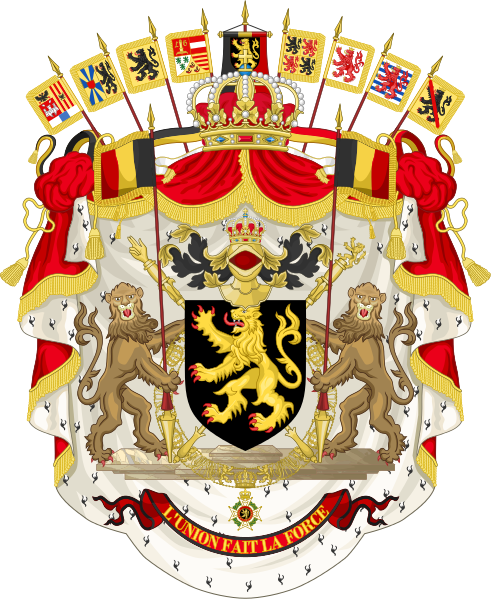
- Luís Filipe Leopoldo Vítor Ernesto (24 de julho de 1833 - 16 de maio de 1834), duque de Brabante;
- Leopoldo Luís Filipe Maria Vítor (9 de abril de 1835 - 17 de dezembro de 1909), mais tarde Leopoldo II, rei dos belgas;
- Filipe Eugénio Fernando Maria Clemente Balduíno Leopoldo Jorge (24 de março de 1837 - 17 de novembro de 1905), conde de Flandres;
- Maria Carlota Amélia Augustina Vitória Clementina Leopoldina (7 de junho de 1840 - 19 de janeiro de 1927), princesa da Bélgica e imperatriz do México.
terça-feira, dezembro 16, 2025
Leopoldo I, o primeiro Rei dos Belgas, nasceu há 235 anos
Postado por Fernando Martins às 02:35 0 comentários
Marcadores: Bélgica, Leopoldo I, Monarquia, Saxe-Coburgo-Gota
A crise sísmica de New Madrid, nos Estados Unidos, começou há 214 anos
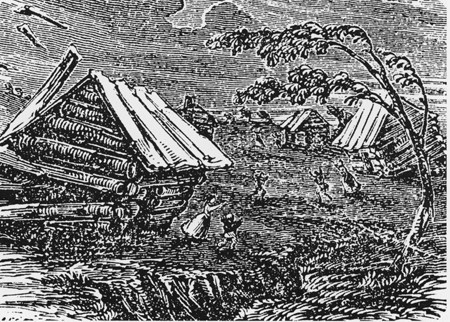
The 1811–1812 New Madrid earthquakes were an intense intraplate earthquake series beginning with an initial earthquake of moment magnitude (7,5 -7,9) on December 16, 1811 followed by a moment magnitude 7,4 aftershock on the same day. They remain the most powerful earthquakes to hit the contiguous United States east of the Rocky Mountains in recorded history. They, as well as the seismic zone of their occurrence, were named for the Mississippi River town of New Madrid, then part of the Louisiana Territory, now within Missouri.
- December 16, 1811, 08.15 UTC (2:15 a.m.); (M 7,5 -7,9) epicenter in northeast Arkansas. It caused only slight damage to manmade structures, mainly because of the sparse population in the epicentral area. The future location of Memphis, Tennessee, experienced level IX shaking on the Mercalli intensity scale. A seismic seiche propagated upriver, and Little Prairie (a village that was on the site of the former Fort San Fernando, near the site of present-day Caruthersville, Missouri) was heavily damaged by soil liquefaction.
- December 16, 1811 (aftershock), 14.15 UTC (8:15 a.m.); (M 7,4) epicenter in northeast Arkansas. This shock followed the first earthquake by five hours and was similar in intensity.
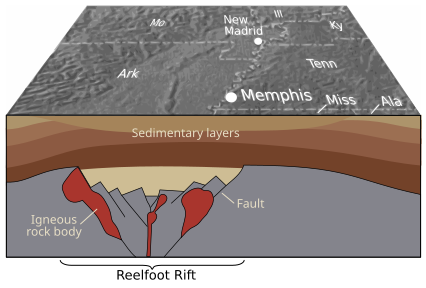
- January 23, 1812, 15.00 UTC (9:00 a.m.); (M 7,3 -7,6) epicenter in the Missouri Bootheel. The meizoseismal area was characterized by general ground warping, ejections, fissuring, severe landslides, and caving of stream banks. Johnson and Schweig attributed this earthquake to a rupture on the New Madrid North Fault. This may have placed strain on the Reelfoot Fault.
- February 7, 1812, 09.45 UTC (3:45 a.m.); (M 7,5 -8,0) epicenter near New Madrid, Missouri. New Madrid was destroyed. In St. Louis, Missouri, many houses were severely damaged, and their chimneys were toppled. This shock was definitively attributed to the Reelfoot Fault by Johnston and Schweig. Uplift along a segment of this reverse fault created temporary waterfalls on the Mississippi at Kentucky Bend, created waves that propagated upstream, and caused the formation of Reelfoot Lake by obstructing streams in what is now Lake County, Tennessee.
Eyewitness accounts
After supper, we went to sleep as usual: about ten o'clock, and in the night I was awakened by the most tremendous noise, accompanied by an agitation of the boat so violent, that it appeared in danger of upsetting ... I could distinctly see the river as if agitated by a storm; and although the noise was inconceivably loud and terrific, I could distinctly hear the crash of falling trees, and the screaming of the wild fowl on the river, but found that the boat was still safe at her moorings.
By the time we could get to our fire, which was on a large flag in the stern of the boat, the shock had ceased; but immediately the perpendicular banks, both above and below us, began to fall into the river in such vast masses, as nearly to sink our boat by the swell they occasioned ... At day-light we had counted twenty-seven shocks.
On the 16th of December, 1811, about two o'clock, a.m., we were visited by a violent shock of an earthquake, accompanied by a very awful noise resembling loud but distant thunder, but more hoarse and vibrating, which was followed in a few minutes by the complete saturation of the atmosphere, with sulphurious vapor, causing total darkness. The screams of the affrighted inhabitants running to and fro, not knowing where to go, or what to do—the cries of the fowls and beasts of every species—the cracking of trees falling, and the roaring of the Mississippi— the current of which was retrograde for a few minutes, owing as is supposed, to an irruption in its bed— formed a scene truly horrible.
On the night of 16th November [sic], 1811, an earthquake occurred, that produced great consternation amongst the people. The centre of the violence was in New Madrid, Missouri, but the whole valley of the Mississippi was violently agitated. Our family all were sleeping in a log cabin, and my father leaped out of bed crying aloud "the Indians are on the house" ... We laughed at the mistake of my father, but soon found out it was worse than the Indians. Not one in the family knew at the time that it was an earthquake. The next morning another shock made us acquainted with it, so we decided it was an earthquake. The cattle came running home bellowing with fear, and all animals were terribly alarmed on the occasion. Our house cracked and quivered, so we were fearful it would fall to the ground. In the American Bottom many chimneys were thrown down, and the church bell in Cahokia sounded by the agitation of the building. It is said the shock of an earthquake was felt in Kaskaskia in 1804, but I did not perceive it. The shocks continued for years in Illinois, and some have experienced it this year, 1855.
Postado por Fernando Martins às 02:14 0 comentários
Marcadores: crise sísmica, New Madrid, sismo, sismologia, USA
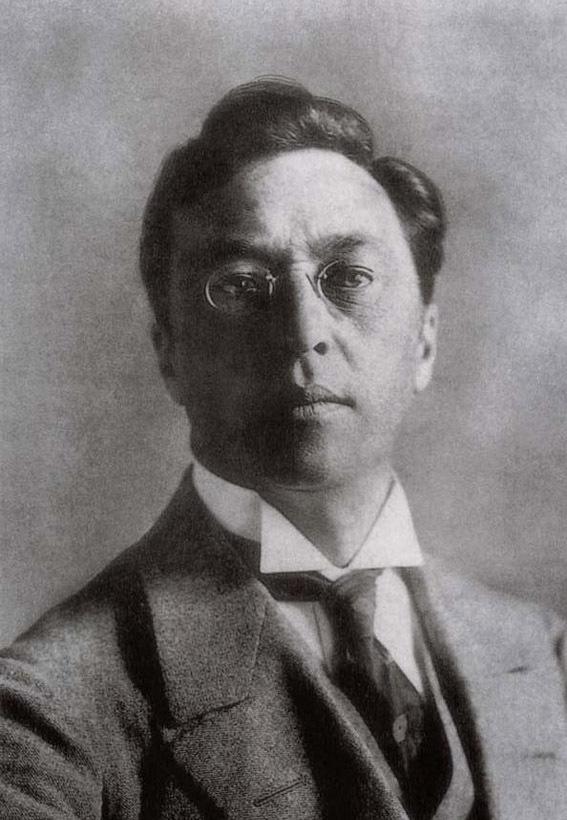
Kandinsky nasceu há 159 anos
Períodos artísticos
O Cavaleiro Azul
O período de grande síntese (1934-1944)
Postado por Fernando Martins às 01:59 0 comentários
Marcadores: abstracionismo, Alemanha, Bauhaus, França, Kandinsky, pintura, Rússia, Wassily Kandinsky
Arthur C. Clarke nasceu há 108 anos...
Biografia
Desde pequeno mostrou a sua fascinação pela astronomia, a ponto de, utilizando um telescópio caseiro, desenhar um mapa da Lua. Durante a II Guerra Mundial, serviu na Royal Air Force (Real Força Aérea Britânica) como especialista em radares, envolvendo-se no desenvolvimento de um sistema de defesa por radar, sendo uma peça importante do êxito na batalha da Inglaterra. Depois, estudou Física e Matemática, no King's College de Londres.
Talvez a sua contribuição científica de maior importância seja o conceito de satélite geoestacionário como futura ferramenta para desenvolver as telecomunicações. Ele propôs essa ideia num artigo científico intitulado "Can Rocket Stations Give Worldwide Radio Coverage?", publicado na revista Wireless World, em outubro de 1945. A órbita geoestacionária também é conhecida, desde então, como órbita de Clarke.
Em 1956 mudou-se para Colombo, no Sri Lanka (antigo Ceilão), em parte devido ao seu interesse pela fotografia e exploração submarina, onde permaneceu até à sua morte, em 2008.
Teve dois dos seus romances levados ao cinema, 2001: Odisseia no Espaço, dirigido por Stanley Kubrick (1968) e 2010: O Ano do Contacto, dirigido por Peter Hyams (1984), sendo o primeiro considerado um importante ícone da ficção científica mundial, aclamado por muitos como um dos melhores filmes já feitos em todos os tempos. Especialistas atribuem-lhe forte influência sobre a maioria dos filmes do género que lhe sucederam.
Também em homenagem aos feitos de Clarke, o asteroide 4923 foi batizado com o seu nome, assim como uma espécie de dinossauro ceratopsídeo, o Serendipaceratops arthurclarkei, descoberto em Inverloch, Austrália.
Em maio de 2000 foi-lhe concedido o título de Cavaleiro do Império Britânico.
O compositor francês Jean Michel Jarre realizou, em 2001, um concerto intitulado 2001: A Rendez-Vous In Space, em homenagem à adaptação da sua obra para o cinema, que resultou no filme 2001: Odisseia no espaço. Clarke teve, inclusive, uma participação especial nalgumas partes do show.
Postado por Fernando Martins às 01:08 0 comentários
Marcadores: Arthur C. Clarke, ficção científica, literatura, satélite geoestacionário
Mariza celebra hoje 52 anos
in Wikipédia
Postado por Fernando Martins às 00:52 0 comentários
Marcadores: Fado, Mariza, Moçambique, música, Portugal, Quem Me Dera, world music
Os Xutos & Pontapés lançaram o seu primeiro single há 44 anos...!
Postado por Fernando Martins às 00:44 0 comentários
Marcadores: anos oitenta, música, Quero mais, Rock, Sémen, Xutos e Pontapés
Nicolette Larson morreu há vinte e oito anos...
Postado por Fernando Martins às 00:28 0 comentários
Marcadores: country, country rock, folk, Lotta Love, música, Nicolette Larson, pop rock, soft rock
Hoje é dia de ouvir Beethoven...
Postado por Pedro Luna às 00:25 0 comentários
Marcadores: Alemanha, Beethoven, Ludwig Van Beethoven, Moonlight Sonata, música, música clássica, romantismo, Sonata para piano n.º 14
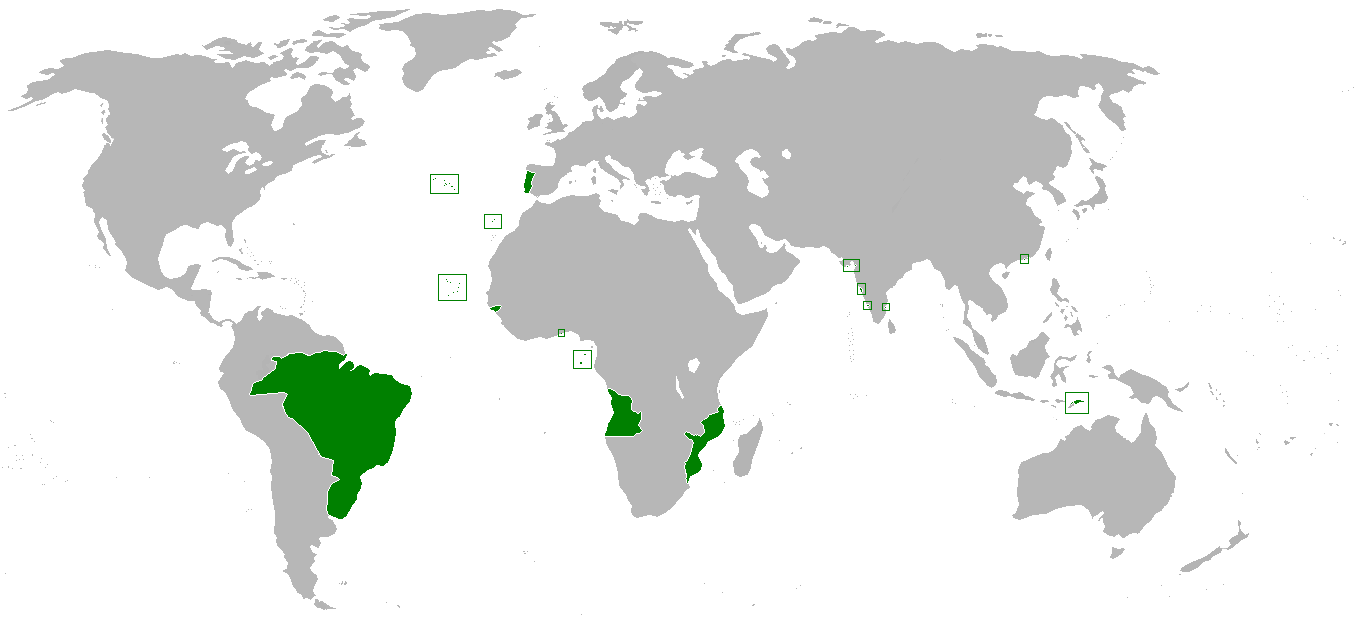
O Brasil tornou-se um Reino e País há 210 anos...!
Postado por Fernando Martins às 00:21 0 comentários
Marcadores: Brasil, dinastia de Bragança, Reino Unido de Portugal Brasil e Algarves
Dan Fogelberg morreu há dezoito anos...
Postado por Fernando Martins às 00:18 0 comentários
O poeta Olavo Bilac nasceu há 160 anos...
Língua Portuguesa
Última flor do Lácio, inculta e bela,
És, a um tempo, esplendor e sepultura:
Ouro nativo, que na ganga impura
A bruta mina entre os cascalhos vela…
Amo-te assim, desconhecida e obscura,
Tuba de alto clangor, lira singela,
Que tens o trom e o silvo da procela
E o arrolo da saudade e da ternura!
Amo o teu viço agreste e o teu aroma
De virgens selvas e de oceano largo!
Amo-te, ó rude e doloroso idioma,
Em que da voz materna ouvi: "meu filho!"
E em que Camões chorou, no exílio amargo,
O génio sem ventura e o amor sem brilho!
Postado por Fernando Martins às 00:16 0 comentários
Marcadores: Brasil, Olavo Bilac, Parnasianismo, poesia
Música adequada à data...!
Postado por Pedro Luna às 00:07 0 comentários
Marcadores: Billy Gibbons, blues rock, country rock, guitarra, hard rock, Legs, música, Rock, Southern Rock, ZZ Top
segunda-feira, dezembro 15, 2025
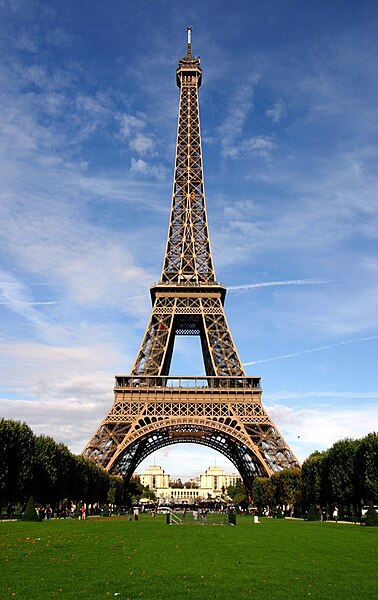
Gustave Eiffel nasceu há 193 anos
- Galeria das Máquinas para a Exposição Universal de Paris (1867).
- Viaduto de Garabit, sobre o rio Truyère, no sul de França, considerada a ponte mais alta do mundo, à época, com 120 metros de altura.
- Cúpula do observatório de Nice.
- Ponte de D. Maria Pia na cidade do Porto (1876).
- Ponte dupla de Viana do Castelo em Portugal (1877).
- Ponte de Triana em Sevilha, Espanha.
- Palácio de Ferro em Luanda, Angola.
- Casa de Ferro em Maputo, Moçambique.
- Mercado Municipal em Olhão, Portugal.
- Ponte Ferroviária em Barcelos, Portugal.
- Ponte Rodoviária em Pinhão, Portugal.
- Farol de São Tomé em Campos dos Goytacazes, Brasil.
- Catedral metálica de Arica, Chile.
Postado por Fernando Martins às 19:30 0 comentários
Marcadores: engenharia, Estátua da Liberdade, França, Gustave Eiffel, Ponte D. Maria Pia, pontes, Torre Eiffel
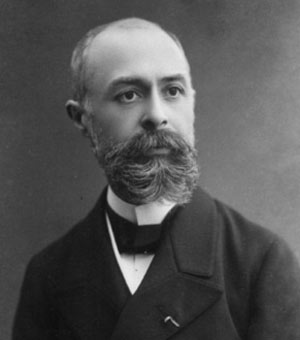
Antoine Henri Becquerel nasceu há 173 anos
Postado por Fernando Martins às 17:30 0 comentários
Marcadores: Becquerel, Física, França, Prémio Nobel, radioactividade
Zoltán Kodály nasceu há 143 anos
Postado por Fernando Martins às 14:30 0 comentários
Marcadores: etnomusicologia, Hungria, método Kodály, música, pedagogia, Zoltán Kodály
Hoje Londres chama-nos...
Postado por Pedro Luna às 11:11 0 comentários
Marcadores: baixo, Gorillaz, London calling, música, Paul Simonon, punk, reggae, Rock, The Clash