O Curso de Geologia de 85/90 da Universidade de Coimbra escolheu o nome de Geopedrados quando participou na Queima das Fitas.
Ficou a designação, ficaram muitas pessoas com e sobre a capa intemporal deste nome, agora com oportunidade de partilhar as suas ideias, informações e materiais sobre Geologia, Paleontologia, Mineralogia, Vulcanologia/Sismologia, Ambiente, Energia, Biologia, Astronomia, Ensino, Fotografia, Humor, Música, Cultura, Coimbra e AAC, para fins de ensino e educação.
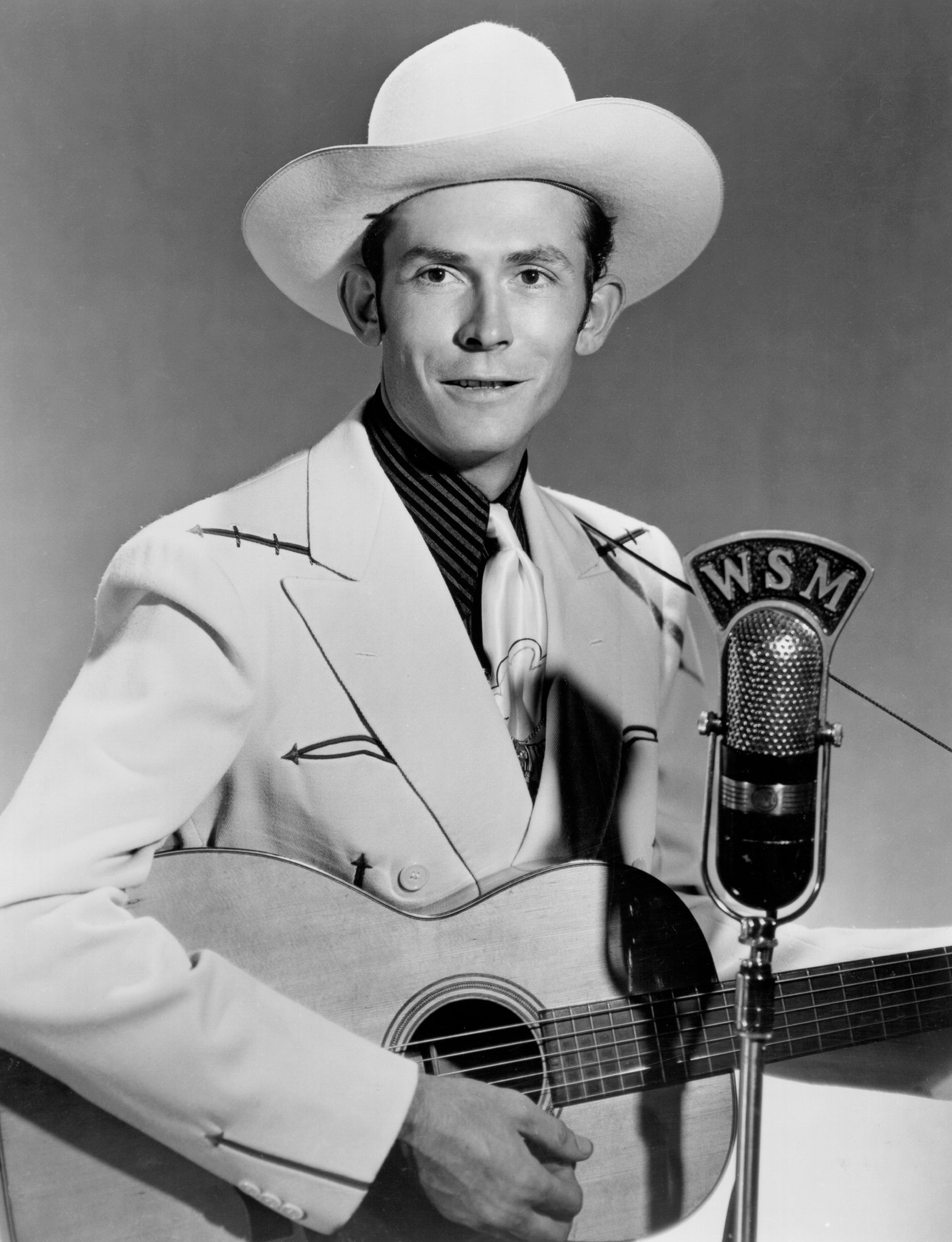
Hank Williams (cujo nome original era Hiram King Williams; Georgiana, 17 de setembro de 1923 - Oak Hill, 1 de janeiro de 1953) foi um cantor e compositor norte-americano que se tornou um ícone da música country e um dos mais influentes músicos e compositores do século XX. Um dos principais pioneiros do estilo honky tonk, obteve vários hits nas paradas americanas e as suas performances carismáticas
e composições concisas aumentaram a sua fama. O seu reportório é um
dos pilares da música country, e algumas das suas canções foram as mais
populares do seu estilo. Teve uma morte precoce, pois o músico, que
sofria de espinha bífida (lesão congénita na espinal medula), morreu, aos 29 anos, por causa do abuso do consumo de álcool e morfina - drogas
que usava para aliviar as dores constantes que sentia. Os seus filhos, Hank Williams Jr. e Jett Williams, e os seus netos Hank Williams III, Holly Williams e Hilary Williams também são cantores.
David Jordan (born David Keith Arratoon, 13 September 1985 in Barnet, London) is an English singer-songwriter. His debut album, Set the Mood, was released in October 2007, peaking at number 13 on the UK Albums Chart.
Biography
Born to a mother from Montserrat and a father from Calcutta, Jordan has been writing pop-rock songs since he was 11 (after his parents split). Growing up, his music idol was Prince. After spending the first nine years of his life in North London, when his parents split up Jordan chose to live with his grandmother in Enfield until he moved into a council flat in Finchley aged 16. As a teenager, Jordan associated with a group of young hopefuls signed to Simon Fuller's19 management company, including a young Amy Winehouse, with whom he remained friends. Jordan was obsessed with songwriting and gaining a record deal. He would study drama at college during the day, work at Starbucks in New Oxford Street in the evening and then work on songs with his producer friend Jack Freegard at Fortress Studios in Old Street.
Career
2007–08
On 22 October 2007, he released "Place in My Heart" as the lead single from his debut studio album. He released his debut studio album, Set the Mood, on 29 October 2007, peaking to number 13 on the UK Albums Chart; the album also charted in France and Switzerland. On 4 February 2008, he released "Sun Goes Down" as the second single from the album, peaking to number 4 on the UK Singles Chart. He performed the song at the Royal Variety Performance. On 4 May 2008, he released "Move On" as the third single from the album, peaking to number 68 on the UK Singles Chart.
2011–present
On 26 March 2011, Jordan uploaded a music video for "Don't Wanna (Hear You Say)" to YouTube. In July 2011, he featured on Kane Ricca's single "One Nation" with Defi'.
On 5 April 2012, he uploaded a music video for "Fallen Star" to YouTube. On 25 July 2012, he uploaded a music video for "Wild, Wasted & Wonderful" to YouTube and published 8 acoustic videos on YouTube made by Methodworks.
Open your eyes coz another day is dawning, Children of the night , can you hear them all calling. Stars open up and an angel starts falling, Listen to their beats, can you hear them hollering
Start in the morning, through to the evening Dance like you’re the only one around Move like you want it Grove like you need it, Dancing it up till the sun goes down
Free your mind coz tonight we’re gonna break it down Shake make it funky down Get so high as the toxins in your body Are the bass and the drums and the ra, ra, ra We’re right on time, & all is fine If you’ve lost your senses here have mine and..
Lose yourself in the time you awake wait till the evening time ‘till the sunshine breaks.
Ahh Common Open your eyes coz another day is dawning, Children of the night , can you hear them all calling. Skies open up and an angel starts falling, Listen to the beats, can you hear them hollering
Stop in the morning, through to the evening Dance like you’re the only one around Move like you want it Grove like you need it, Dancing it up til the sun goes down.
Till the sun goes down…
Go Come on for this makes for hysteria You feelin what we bring to y’all.. Peace and love find yourself gettin down tonight, tonight tonight, tonight
Fire is burning on and theres children in the forest playing Just come forget this to forget the beats hunting for its prey Yeaaah… noo noooo ..yeaaaah eeyy..
Till the sun goes down Till the sun goes Sun goes down Sun goes down sun goes down Sun goes dooooowwn!
Open your eyes coz another day is dawning, Children of the night , can you hear them all calling. Skies open up and an angel starts falling, Listen to the beats, can you hear them hollering
Stop in the morning, through to the evening Dance like you’re the only one around Move like you want it Grove like you need it, Dancing it up till the sun goes down
John R. Cash, mais conhecido como Johnny Cash, (Kingsland, 26 de fevereiro de 1932 - Nashville, 12 de setembro de 2003) foi um cantor e compositornorte-americano
de música country, conhecido pelos seus fãs como "O Homem de Preto".
Numa carreira que durou quase cinco décadas foi, para muitas pessoas, a personificação do country. A sua voz sepulcral e o distintivo som boom chicka boom da sua banda de apoio, Tennessee Two, são algumas das suas "marcas registadas".
Charles Burgess Kelley (Augusta, Georgia, September 11, 1981) is an American musician who is the co-lead vocalist and founding member of the country music trio Lady A, which was formed in 2006 and are signed to Big Machine Records.
James Charles Rodgers (Meridian, Mississippi, September 8, 1897 – New York City, May 26, 1933) was an American country singer in the early 20th century, known most widely for his rhythmic yodeling. Among the first country music
superstars and pioneers, Rodgers was also known as "The Singing
Brakeman", "The Blue Yodeler", and "The Father of Country Music".
Em 1956, os pais descobriram o talento musical dos filhos. Barry ganhou a sua primeira guitarra e rapidamente aprendeu a tocar.
A sua família mudou-se de Manchester, na Inglaterra, para Brisbane, na Austrália, onde, em 1957, ele e seus irmãos, os gémeos Robin e Maurice, formaram os Bee Gees, que se tornou um dos grupos musicais de maior sucesso de todos os tempos.
Em 1961, Barry acabou os estudos e a família mudou para a área
de Surfers Paradise, passando bom tempo entre 1961 e 1962 se
apresentando em hotéis e clubes noturnos.
Em 1976, lançaram Children of the World, considerado como o "primeiro álbum disco music" da banda, que continha a balada "Love So Right" e o hit "You Should Be Dancing", um clássico do género. Foi nestes dois discos que surgiu o famoso falsete (voz aguda) de Barry, que alguns anos depois se tornaria a marca registada do grupo.
Ele ainda compôs em 1978 a faixa-título do filme musical Grease, interpretada por Frankie Valli. Entre 1977 e 1979 ninguém superava os Bee Gees, em qualquer rádio, no mundo inteiro.
Na década de 80, os Bee Gees deixaram a carreira como cantores
um pouco de lado e investiram na produção de discos para outros
artistas. Barry produziu After Dark para o irmão mais novo ,Andy Gibb, e Guilty, para Barbra Streisand,
que vendeu mais de vinte milhões de cópias no mundo inteiro. Em um
último trabalho como produtor, Barry Gibb assinou a banda sonora do
filme Hawks. Em 1988, a família sofreu um forte abalo com a morte
de Andy, de apenas 30 anos, que sofria de um problema cardíaco, agravado
após anos de uso de drogas e álcool.
Em 2003 veio outro baque: a morte
repentina do irmão e
companheiro de banda, Maurice, aos 53 anos. Barry e Robin concordaram:
os Bee Gees não existiam sem um deles. Portanto, com a morte de Maurice,
a
banda acabava ali. Depois do luto, Barry trabalhou compondo e produzindo
para Cliff Richard, em 2004, e para Barbra Streisand, em 2005, revivendo o sucesso de 1980. O álbum Guilty Pleasures, produzido para ela, foi bem visto em todo o mundo e incluía os singles "Come Tomorrow" em dueto com Barry e "Stranger In a Strange Land". Ainda em 2005, a dupla relançou o álbum Guilty, como edição especial de 25 anos, com CD e DVD, o que fez com que Barry aparecesse nos media mais uma vez.
Seguindo uma carreira a solo, já em 2006, ele começa a lançar várias músicas no iTunes: lança seus novos singles "Doctor Mann" e "Underworld" e as demos dos álbuns produzidos por ele na década de 80 - The Guilty Demos, The Heartbreaker Demos, The Eyes That See in the Dark Demos e The Eaten Alive Demos, todos exclusivamente no iTunes.
Lançou em 2007 o single country "Drown on the River", que esteve na banda do filme ''Deal'' (no Brasil, 'Negócios e Trapaças'').
Em 14 de fevereiro de 2009 se apresentou no Love and Hope Ball, interpretando os sucessos dos Bee Gees, com participações de Olivia Newton-John e seu filho Steve Gibb. Em março de 2009, Barry apresentou-se no Sound Relief em Sydney, na Austrália,
interpretando os grandes sucessos dos Bee Gees, novamente ao lado de
Olivia Newton-John, show que ainda contou com apresentações de vários
artistas como a banda Coldplay.
Ainda em 2009, Barry e o irmão Robin anunciaram a volta dos Bee
Gees aos palcos. Mas após raras apresentações na TV e em algumas
ocasiões beneficentes, a banda terminou de vez, com a morte de Robin, em
2012, após quase dois anos lutando contra um cancro.
No dia 19 de fevereiro de 2011, Barry se apresentou ao lado de Kelly Lang no Love and Hope Ball. Em dezembro de 2011, Barry disponibilizou no seu site uma música em parceria com Michael Jackson, "All In Your Name".
Gravada em fins de 2002, é uma balada, acompanhada de um vídeo caseiro
onde aparecem Barry e Michael, gravando a canção num estúdio.
Em junho de 2016, Barry assinou com a gravadora Columbia/Sony,
lançando o seu primeiro disco a solo em 32 anos. Lançado em 7 de outubro, "In The Now" dá sequência a Now Voyager,
de 1984, e é o primeiro álbum a solo de Gibb desde então inteiramente
composto de músicas inéditas. O álbum atingiu o #02 nas paradas de
sucesso na Inglaterra, #03 na Austrália e #17 na Alemanha.
Os últimos lançamentos com participação do vocalista foram This Is Where I Came In, disco derradeiro dos Bee Gees, lançado em 2001, e Guilty Pleasures, inteiramente produzido por Barry para Barbra Streisand, em 2005.
Em 8 de fevereiro de 2015, no 57º Prémio Grammy, Gibb, juntamente
com o grupo Pentatonix apresentou a categoria de Melhor Álbum Vocal. Em
26 de março de 2015, Gibb foi um dos cantores principais num festival de
música chamado Hard Rock Rising Miami Beach Global Music Festival, ao
lado de Andrea Bocelli, Gloria Estefan, Flo Rida, Jon Secada e Wyclef
Jean. Pela primeira vez em público, ele mostrou a sua nova música "The
Home Truth Song".
Em 26 de junho de 2016, Gibb estava
programado para participar do
Festival de Glastonbury, na Inglaterra, como artista principal, mas
desistiu devido a uma doença familiar. No entanto, ele apareceu com os
Coldplay, como artista convidado, cantando "To Love Somebody" e "Stayin
'Alive".
Em 28 de junho de 2016, foi anunciado que Gibb havia assinado a
Columbia Records e lançaria seu segundo álbum solo, In the Now em 7 de
outubro de 2016. O álbum é o primeiro álbum de Gibb com todo o material
novo desde o álbum de estúdio final da Bee Gees, This Is Where I Came In
(2001). O novo álbum foi co-escrito por seus filhos Stephen e Ashley, e
foi produzido com John Merchant.
Em 25 de junho de 2017, Gibb enfim se apresentou como artista
principal no Festival de Glastonbury, na Inglaterra, tendo uma boa
repercussão, tanto nos media, quanto nos fãs presentes.
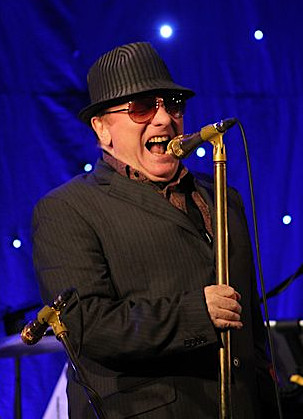
Sir George Ivan Morrison (Belfast, 31 August 1945), known professionally as Van Morrison, is a Northern Irish singer-songwriter and multi-instrumentalist whose recording career spans six decades. He has won two Grammy Awards.
Em 1984, Jamison substitui Dave Bickler como vocalista do Survivor, gravando a canção "The Moment of Truth", que fez parte da banda sonora do filme Karaté Kid. No ano seguinte gravou o hit "Burning Heart", tema do filme Rocky IV, de Sylvester Stallone.
Em 1989, Jamison deixou a banda para fazer carreira solo. Gravou no
mesmo ano a canção "I'm Always Here", que fez parte da banda sonora da
série televisiva Baywatch ("SOS Malibu" no Brasil; "Marés Vivas" em Portugal).
Em outubro de 2011, lançou um álbum, em parceria com Bobby Kimball, (vocalista do Toto) intitulado Kimball/Jamison.
Morte
Jamison
morreu na sua casa, em Memphis, nos Estados Unidos, no dia 31 de agosto
de 2014, após sofrer um ataque cardíaco. Ele tinha apenas 63 anos.
Com 100 milhões de cópias vendidas no mundo todo, tornou-se a mais bem
sucedida cantora na história da música country e uma das bem sucedidas
artistas de todos os tempos. O seu sucesso garantiu-lhe vários títulos incluindo "Primeira-dama do Country" e "Rainha do Country Pop".
Margaret LeAnn Rimes (Jackson, 28 de agosto de 1982) mais conhecida como LeAnn Rimes, é uma cantora, compositora e atriznorte-americana. Ela alcançou o sucesso como artista de música country aos 13 anos e, desde então, expandiu a sua atuação para o pop e outros géneros musicais. Rimes vendeu mais de 48 milhões de álbuns em todo o mundo, sendo 20,8 milhões apenas nos Estados Unidos. Em 1997, ela venceu o Grammy
de "Melhor Artista Revelação" e "Melhor Performance Vocal Feminina
Country", tornando-se a vencedora mais jovem nessas duas categorias. A Billboard a classificou em 17º lugar em sua lista de artistas que mais venderam durante a década de 90.
Após lançar dois álbuns independentes, Rimes assinou com a Curb Records e lançou o álbum Blue
(1996), um sucesso comercial que vendeu 6 milhões de cópias nos Estados
Unidos, recebeu seis certificações de platina e a consolidou como uma
grande artista country. Em 1997, Rimes fez a transição para a música pop com "How Do I Live", sucesso que alcançou o segundo lugar na Billboard Hot 100 e que se tornou um dos singles mais vendidos da década de 90. A faixa foi incluída no seu álbum seguinte, You Light Up My Life: Inspirational Songs (1997), que recebeu quatro certificações de platina. O trabalho foi seguido pelos álbuns certificados com platina: Sittin' on Top of the World (1998) e LeAnn Rimes (1999). Ela lançou vários singles para bandas sonoras de filmes, incluindo o sucesso mundial."Can't Fight the Moonlight", do filme Coyote Ugly (2000). Rimes também é atriz, e já atuou em diversos filmes e séries de TV. Em 2025, ela entrou para o elenco principal da série da ABC9-1-1: Nashville, no papel de Dixie Bennings.
Textos, músicas, fotos e outros materiais aqui publicados, parte sem prévia autorização, são propriedade de seus autores, que são, sempre que possível, identificados e creditados. O seu uso deve-se a razões culturais, científicas e didáticas, sem objetivo comercial ou usurpação de autoria. Pretendemos apenas expressar admiração pelos autores, contribuindo para a sua divulgação, respeitando inteiramente pedidos de retirar os seus materiais.


_-_TopPop_1973_3.png)

_2012.jpg)