Mostrar mensagens com a etiqueta Reino Unido. Mostrar todas as mensagens

quarta-feira, outubro 14, 2026

Cliff Richard comemora hoje oitenta e seis anos

https://thumb.wikimedia.org/wikipedia/commons/thumb/c/c3/Cliff_Richard_Brussels.jpg/500px-Cliff_Richard_Brussels.jpg?utm_source=pt.wikipedia.org&utm_campaign=imageinfo&utm_content=thumbnail
   
Sir Harry Rodger Webb, mais conhecido como Cliff Richard (Lucknow, Índia, 14 de outubro de 1940) é um dos cantores britânico, considerado um dos mais populares daquele país.
Com a sua banda de apoio, The Shadows, ele dominou o cenário musical popular britânico no final dos anos 50 e começo dos 60, antes do surgimento dos Beatles. Uma conversão ao cristianismo e uma subsequente sofisticação na sua música levou Richard para longe da sua imagem inicial de homem do rock em direção ao pop. Embora nunca tenha sido capaz de alcançar impacto significativo nos Estados Unidos, permaneceu como uma personalidade popular na Grã-Bretanha, tanto na música como em filmes e na televisão.
Durante as últimas seis décadas Richard publicou mais de 100 discos de sucesso e detém o recorde (juntamente com Elvis Presley) de ser o único artista a estar na lista dos mais vendidos em toda a sua carreira (dos anos 50 até hoje). De acordo com o seu website, Cliff Richard vendeu mais de 250 milhões de discos.
 
https://thumb.wikimedia.org/wikipedia/commons/thumb/d/db/Cliff_Richard_and_the_Shadows_2009.jpg/960px-Cliff_Richard_and_the_Shadows_2009.jpg?utm_source=pt.wikipedia.org&utm_campaign=imageinfo&utm_content=thumbnail
Cliff Richard e The Shadows - 2009


terça-feira, outubro 13, 2026

Margaret Thatcher nasceu há cento e um anos

      
Margaret Hilda Thatcher, Baronesa Thatcher (Grantham, 13 de outubro de 1925 - Londres, 8 de abril de 2013) foi uma política britânica e primeira-ministra do Reino Unido, de 1979 a 1990.
Nascida Margaret Roberts na localidade de Grantham, condado de Lincolnshire, Inglaterra, Thatcher estudou ciências químicas na Universidade de Oxford antes de se qualificar como barrister. Nas eleições gerais de 1959 no Reino Unido foi eleita parlamentar pela região de Finchley. Edward Heath nomeou Thatcher Secretária do Departamento de Educação e Habilidades, no seu governo de 1970. Em 1975 ela foi eleita líder do Partido Conservador, sendo a primeira mulher a liderar um dos principais partidos do Reino Unido, e em 1979 ela tornou-se a primeira mulher a ser primeiro-ministro do Reino Unido.
 
https://thumb.wikimedia.org/wikipedia/commons/thumb/f/f9/Margaret_Thatcher_%281983%29.jpg/500px-Margaret_Thatcher_%281983%29.jpg?utm_source=pt.wikipedia.org&utm_campaign=imageinfo&utm_content=thumbnail
 
Ao liderar o governo do Reino Unido, Thatcher estava determinada a reverter o que via como o declínio nacional de seu país. As suas políticas económicas foram centradas na desregulamentação do setor financeiro, na flexibilização do mercado de trabalho e na privatização das empresas estatais. A sua popularidade esteve em baixa por causa da recessão económica iniciada com a Crise do petróleo de 1979; no entanto, uma rápida recuperação económica, além da vitória britânica na Guerra das Malvinas, fizeram ressurgir o apoio necessário para a sua reeleição, em 1983.
Devido ao facto de Thatcher ter sobrevivido a uma tentativa de assassinato em 1984, da sua dura oposição aos sindicatos e da sua forte crítica à União Soviética, foi alcunhada de "Dama de Ferro". Thatcher foi reeleita para um terceiro mandato em 1987, mas a sua impopular visão crítica da criação da União Europeia fez-lhe perder apoio no seu partido, renunciando aos cargos de primeira-ministra e líder do partido em 1990.
Thatcher obteve um título vitalício de pariato, como Baronesa Thatcher de Kesteven, que lhe garantia, no final da vida, um assento na Câmara dos Lordes.
     
https://thumb.wikimedia.org/wikipedia/commons/thumb/2/2e/Coat_of_Arms_of_Margaret_Thatcher%2C_The_Baroness_Thatcher_%281995%E2%80%932013%29_%28Variant%29.svg/500px-Coat_of_Arms_of_Margaret_Thatcher%2C_The_Baroness_Thatcher_%281995%E2%80%932013%29_%28Variant%29.svg.png?utm_source=pt.wikipedia.org&utm_campaign=parser&utm_content=thumbnail
Brasão da Baronesa Thatcher de Kesteven
     

segunda-feira, outubro 12, 2026

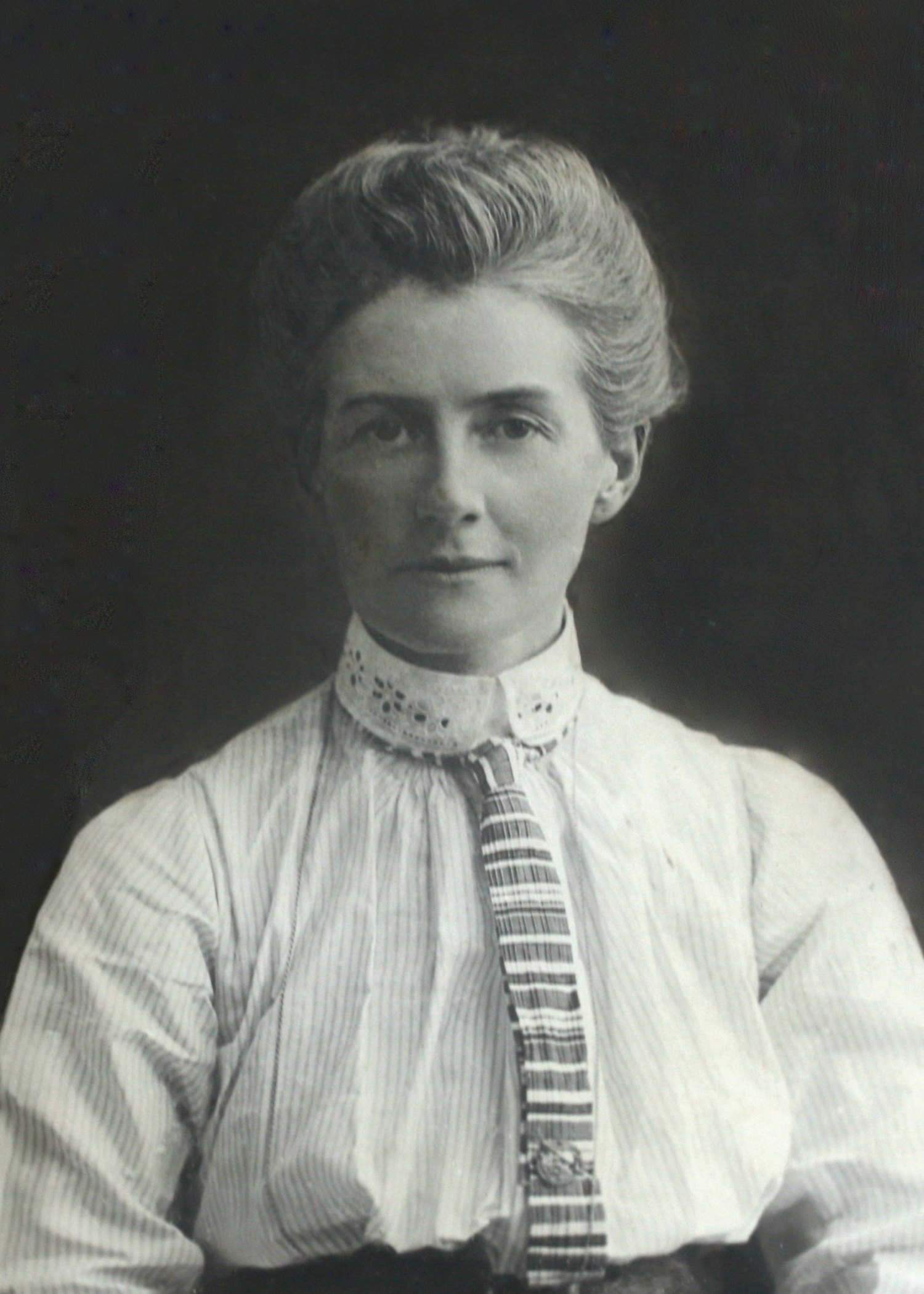
O infame fuzilamento de Edith Cavell foi há 111 anos...


Edith Louisa Cavell (Swardeston, 4 December 1865 – Schaerbeek, 12 October 1915) was a British nurse and humanitarian. She is celebrated for saving the lives of soldiers from all sides without distinction and in helping some 200 Allied soldiers escape from German-occupied Belgium during World War I, for which she was arrested. She was court-martialled and found guilty of treason. She was sentenced to death and shot by firing squad. She received worldwide sympathetic press coverage.
She is well-known for her statement that "patriotism is not enough." Her strong Anglican beliefs propelled her to help all those who needed it, both German and Allied soldiers. She was quoted as saying, "I can’t stop while there are lives to be saved". Cavell was also an influential pioneer of modern nursing in Belgium.

Edith Cavell was born on 4 December 1865 in Swardeston, a village near Norwich, where her father, the Reverend Frederick Cavell, was priest for 45 years. She was the eldest of four children and was taught to always share with the less fortunate, despite her family’s meagre earnings. After a period as a governess, including for a family in Brussels 1900 -1905, she trained as a nurse at the London Hospital under Matron Eva Luckes. In 1907, Cavell was recruited by Dr. Antoine Depage to be matron of a newly established nursing school by the name of L'École Belge d’Infirmières Diplômées on the Rue de la Culture in Brussels. By 1910, "Miss Cavell 'felt that the profession of nursing had gained sufficient foothold in Belgium to warrant the publishing of a professional journal,' and therefore launched the nursing journal, L'infirmière. A year later, she was a training nurse for three hospitals, 24 schools, and 13 kindergartens in Belgium.
When World War I broke out, she was visiting her widowed mother in Norfolk in the East of England. She returned to Brussels where her clinic and nursing school were taken over by the Red Cross.

In late 1914, after the German occupation of Brussels, Cavell began sheltering British soldiers and funnelling them out of occupied Belgium to the neutral Netherlands. In the following months, an underground organisation developed, allowing her to guide some 200 Allied soldiers to safety, which placed Cavell in violation of German military law. German authorities became increasingly suspicious of the nurse's actions, which were backed up by her outspokenness.
She was arrested on 3 August 1915 and charged with harbouring Allied soldiers. She was held in St Gilles prison for 10 weeks, the last two in solitary confinement, and was court-martialled. She was then prosecuted for aiding British and French soldiers, in addition to young Belgian men, to cross the border and enter Britain. She admitted her guilt when she signed a statement the day before the trial, thus reaffirming the crime in the presence of all other prisoners and lawyers present in the court at the beginning of the trial. Cavell gave the German prosecution a much stronger case against her when she declared that the soldiers she had helped escape thanked her in writing when arriving safely in Britain. This admission proved hard to ignore because it not only confirmed that Cavell had helped the soldiers navigate the Dutch frontier, but it also established that she helped them escape to a country at war with Germany.
As the case stood, the sentence according to German military law was death. Paragraph 58 of the German Military Code says: “Will be sentenced to death for treason any person who, with the intention of helping the hostile Power, or of causing harm to the German or allied troops, is guilty of one of the crimes of paragraph 90 of the German Penal Code.” The case referred to in the above-mentioned paragraph 90 consists of "Conducting soldiers to the enemy." Additionally, the penalties according to paragraph 160 of the German Code, in case of war, apply to both foreigners as well as Germans.
The British government said they could do nothing to help her. Sir Horace Rowland of the Foreign Office said, "I am afraid that it is likely to go hard with Miss Cavell; I am afraid we are powerless." The sentiment was echoed by Lord Robert Cecil, Under-Secretary for Foreign Affairs. "Any representation by us", he advised, "will do her more harm than good."The United States however had not yet joined the war and was in a position to apply diplomatic pressure. Hugh S. Gibson, First Secretary of the U.S. legation at Brussels, made clear to the German government that executing Cavell would further harm Germany's already damaged reputation. Later, he wrote:
We reminded him (Baron von der Lancken) of the burning of Louvain and the sinking of the Lusitania, and told him that this murder would stir all civilized countries with horror and disgust. Count Harrach broke in at this with the remark that he would rather see Miss Cavell shot than have harm come to one of the humblest German soldiers, and his only regret was that they had not 'three or four English old women to shoot.'
The German civil governor, Baron von der Lancken, is known to have stated that Cavell should be pardoned because of her complete honesty and because she had helped save so many lives, German as well as Allied. However, the German military acted quickly to execute Cavell and so deny higher authorities the opportunity to consider clemency.
Cavell was not arrested for espionage, as many were led to believe, but for treason. Of the 27 put on trial, Cavell and four others were condemned to death, among them Philippe Baucq, an architect in his thirties who had also been instrumental in the escapes. Evidence has recently emerged that Cavell was in fact a spy working for the British Secret Intelligence Service (SIS), but her espionage role was compromised by her helping prisoners to escape.
When in custody, Cavell was questioned in French, but the session was minuted in German. This gave the interrogator the opportunity to misinterpret her answers. Although she may have been misrepresented, she made no attempt to defend herself. Cavell was provided with a defender approved by the German military governor. A previous defender, who was chosen for Cavell by her assistant, Elizabeth Wilkins, was ultimately rejected by the governor.
The night before her execution, she told the Reverend Stirling Gahan, the Anglican chaplain who had been allowed to see her and to give her Holy Communion, "Patriotism is not enough, I must have no hatred or bitterness towards anyone." These words are inscribed on her statue in St Martin's Place, near Trafalgar Square in London. Her final words to the German Lutheran prison chaplain, Paul Le Seur, were recorded as, "Ask Father Gahan to tell my loved ones later on that my soul, as I believe, is safe, and that I am glad to die for my country."
Despite efforts by Brand Whitlock, the U.S. minister to Belgium, and by the Marquis de Villalobar, the Spanish minister, on Cavell's behalf, on 11 October, Baron von der Lancken allowed the execution to proceed. Sixteen men, forming two firing squads, carried out the sentence pronounced on her and on four Belgian men at Tir National shooting range in Schaerbeek, at 6:00 am on 12 October 1915. There are conflicting reports of the details of Cavell's execution. However, according to the eyewitness account of the Reverend Le Seur, who attended Cavell in her final hours, eight soldiers fired at Cavell while the other eight executed Philippe Baucq.
There is also a dispute over the sentencing imposed under the German Military Code. Supposedly, the death penalty relevant to the offence committed by Cavell was not officially declared until a few hours after her death.
On instructions from the Spanish minister, Belgian women immediately buried her body next to St. Gilles Prison. After the War, her body was taken back to Britain for a memorial service at Westminster Abbey and then transferred to Norwich, to be laid to rest at Life's Green.
  
https://thumb.wikimedia.org/wikipedia/commons/thumb/6/6e/Edith_Cavell_monument.JPG/500px-Edith_Cavell_monument.JPG?utm_source=en.wikipedia.org&utm_campaign=imageinfo&utm_content=thumbnail
Memorial to Cavell outside Norwich Cathedral
  
in Wikipédia

quinta-feira, outubro 08, 2026

Clement Attlee, primeiro-ministro do Reino Unido, morreu há 59 anos...

https://thumb.wikimedia.org/wikipedia/commons/thumb/1/1e/Clement_Attlee.jpg/500px-Clement_Attlee.jpg?utm_source=pt.wikipedia.org&utm_campaign=imageinfo&utm_content=thumbnail
  
Clement Richard Attlee, 1.º Conde Attlee (Putney, 3 de janeiro de 1883 – Londres, 8 de outubro de 1967) foi político inglês e primeiro-ministro do Reino Unido entre os anos de 1945 e 1951.
Sucedeu a Winston Churchill como primeiro-ministro, após a derrota dos Conservadores para o Partido Trabalhista, nas eleições de maio de 1945. Ao longo da guerra, Attlee provaria ser um aliado leal de Churchill, apesar de pertencerem a partidos rivais. Enquanto Churchill se notabilizou pela condução da Inglaterra durante a II Guerra, coube a Attlee levar um estado falido pelo esforço de guerra à prosperidade económica. Foi o grande reconstrutor do estado britânico após o conflito, ao instituir as bases do estado do bem-estar social no Reino Unido. Foi o responsável pela criação do Serviço Nacional de Saúde e pela nacionalização de minas de carvão, estradas e ferro. Teve entre seus colaboradores nestas reformas sociais e económicas John Maynard Keynes e Aneurin Bevan. As instituições criadas por Attlee só seriam parcialmente revogadas por Margaret Thatcher, com a emergência do neo-liberalismo.
A sua política externa teve quatro preocupações básicas: a reconstrução da Europa do pós-guerra, o começo da guerra fria, o estabelecimento da ONU e a descolonização. De estilo político conciliador, Attlee procurou manter boas relações com os EUA e com a URSS. Participou das fases subsequentes à Conferência de Potsdam ao lado de Truman e Estaline. Apoiou o Plano Marshall para a reconstrução da Europa. Outra marca de seu governo foi o processo de descolonização, quando Índia, Birmânia, Ceilão e Paquistão obtiveram a independência.
Foi eleito, por votação de professores, em 2004, o melhor primeiro-ministro britânico do século XX fora de tempo de guerra. Foi enterrado na Abadia de Westminster.
   
https://thumb.wikimedia.org/wikipedia/commons/thumb/f/f1/Coat_of_Arms_of_Clement_Attlee%2C_1st_Earl_Attlee.svg/960px-Coat_of_Arms_of_Clement_Attlee%2C_1st_Earl_Attlee.svg.png?utm_source=en.wikipedia.org&utm_campaign=imageinfo&utm_content=thumbnail


segunda-feira, outubro 05, 2026

Hoje é preciso ver Monty Python...

Os Monty Python fazem hoje cinquenta e sete anos

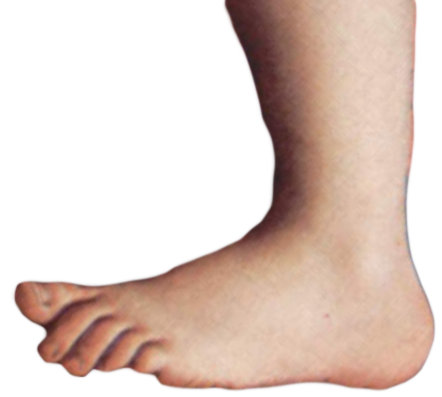
O pé de Cupido, utilizado em Monty Python's Flying Circus
      
Monty Python ou The Pythons é um grupo de comédia britânico, criadores e intérpretes da série cómica Monty Python's Flying Circus, um programa de televisão britânico que foi ao ar pela primeira vez em 5 de outubro de 1969. Como série televisiva, consistiu de 45 episódios divididos em 4 temporadas. Entretanto o fenómeno Python não se limitou a apenas isso, espalhando-se por shows, filmes, programas de rádio e diversos jogos de computador e livros, além de lançar os seus seis integrantes ao estrelato.
A sua influência na comédia chegou a ser comparada ao impacto causado na música pelos Beatles. Enquanto no humor britânico a sua presença sempre foi nítida, nos Estados Unidos ela é especialmente evidente em programas de conteúdo absurdo como South Park, Adult Swim, trechos de Late Night with Conan O'Brien, além do programa Saturday Night Live. O termo pythonesque, em tradução livre 'pythonesco', está em dicionários da língua inglesa para indiciar algo surreal ou absurdo.
No Brasil uma geração de humoristas e artistas cariocas, como Regina Casé, Luís Fernando Guimarães, Evandro Mesquita, integrantes do grupo Asdrúbal Trouxe o Trombone e programas como Casseta e Planeta Urgente! e TV Pirata são exemplos do estilo non-sense sob influência do Monty Python. O cartunista Allan Sieber e o ator Bruno Mazzeo, mais conhecido pelo seu trabalho na série Cilada, também já admitiram gostar do grupo inglês.
Em Portugal, grupos de humoristas, como os Gato Fedorento, afirmam ser fortemente influenciados pelos Monty Python, no modo como os seus sketches muitas vezes tendem para o absurdo.
O nome Monty Python foi escolhido por o considerarem engraçado. No documentário Live at Aspen, de 1998, o grupo revelou como o nome foi escolhido. Monty veio em tributo a Lord Montgomery, um lendário general britânico da II Guerra Mundial. Python surgiu pois eles decidiram ter uma palavra que também soasse evasiva, e essa pareceu perfeita.
Num inquérito de 2005 para escolher O Comediante dos Comediantes realizada pela emissora britânica Channel 4, três dos seis integrantes do Monty Python foram incluídos entre os 50 maiores humoristas. Michael Palin ficou em trigésimo, Eric Idle em vigésimo-primeiro e John Cleese em segundo lugar, sendo superado apenas por Peter Cook. Recentemente, todos os integrantes do grupo (menos Graham Chapman, pois faleceu em 1989) se juntaram, para fazer um especial com os episódios mais engraçados da série.
      
https://upload.wikimedia.org/wikipedia/commons/f/f0/All_six_members_of_Monty_Python_in_1978.jpg?utm_source=en.wikipedia.org&utm_campaign=index&utm_content=original
     
Originalmente composto por Eric Idle, Graham Chapman, John Cleese, Michael Palin, Terry Jones, jovens atores britânicos que implementaram um novo estilo de texto e representação, marcadamente anárquico e pautado pelo completo surrealismo das cenas. Também contavam com Terry Gilliam, cartunista que trabalhara na revista Mad.
O grupo também contava com Carol Cleveland, Neil Innes e alguns outros atores, todos tendo participações menores. Também esteve em alguns sketches Connie Booth, ex-mulher de John Cleese.
De igual modo, fizeram participações especiais celebridades como Steve Martin, Douglas Adams (autor da série À Boleia Pela Galáxia), Rowan Atkinson (ator que interpreta Mr. Bean) e os ex-beatles Ringo Starr e George Harrison.


sábado, outubro 03, 2026

Os presos políticos católicos norte-irlandeses terminaram a greve de fome há 45 anos...


The 1981 Irish hunger strike was the culmination of a five-year protest during The Troubles by Irish republican prisoners in Northern Ireland. The protest began as the blanket protest in 1976, when the British government withdrew Special Category Status for convicted paramilitary prisoners. In 1978, after a number of attacks on prisoners leaving their cells to "slop out", the dispute escalated into the dirty protest, where prisoners refused to leave their cells to wash and covered the walls of their cells with excrement. In 1980, seven prisoners participated in the first hunger strike, which ended after 53 days.

The second hunger strike took place in 1981 and was a showdown between the prisoners and the Prime Minister, Margaret Thatcher. One hunger striker, Bobby Sands, was elected as a Member of Parliament during the strike, prompting media interest from around the world. The strike was called off after ten prisoners had starved themselves to death—including Sands, whose funeral was attended by 100,000 people. The strike radicalised nationalist politics, and was the driving force that enabled Sinn Féin to become a mainstream political party.
  
(...)
  
The second hunger strike began on 1 March, when Bobby Sands, the IRA's former Officer Commanding (OC) in the prison, refused food. Unlike the first strike, the prisoners joined one at a time and at staggered intervals, which they believed would arouse maximum public support and exert maximum pressure on Prime Minister Margaret Thatcher.
The republican movement initially struggled to generate public support for the second hunger strike. The Sunday before Sands began his strike, 3,500 people marched through west Belfast; during the first hunger strike four months earlier the marchers had numbered 10,000. Five days into the strike, however, Independent Republican MP for Fermanagh and South Tyrone Frank Maguire died, resulting in a by-election. There was debate among nationalists and republicans regarding who should contest the election: Austin Currie of the Social Democratic and Labour Party expressed an interest, as did Bernadette McAliskey and Maguire's brother Noel. After negotiations, and implied threats to Noel Maguire, they agreed not to split the nationalist vote by contesting the election and Sands stood as an Anti H-Block candidate against Ulster Unionist Party candidate Harry West. Following a high-profile campaign the election took place on 9 April, and Sands was elected to the British House of Commons with 30,492 votes to West's 29,046.
Sands' election victory raised hopes that a settlement could be negotiated, but Thatcher stood firm in refusing to give concessions to the hunger strikers. She stated "We are not prepared to consider special category status for certain groups of people serving sentences for crime. Crime is crime is crime, it is not political". The world's media descended on Belfast, and several intermediaries visited Sands in an attempt to negotiate an end to the hunger strike, including Síle de Valera, granddaughter of Éamon de Valera, Pope John Paul II's personal envoy John Magee, and European Commission of Human Rights officials. With Sands close to death, the government's position remained unchanged, with Secretary of State for Northern Ireland Humphrey Atkins stating "If Mr. Sands persisted in his wish to commit suicide, that was his choice. The Government would not force medical treatment upon him".
On 5 May, Sands died in the prison hospital on the sixty-sixth day of his hunger strike, prompting rioting in nationalist areas of Northern Ireland. Humphrey Atkins issued a statement saying that Sands had committed suicide "under the instructions of those who felt it useful to their cause that he should die". Over 100,000 people lined the route of his funeral, which was conducted with full IRA military honours. Margaret Thatcher showed no regret for his death, telling the House of Commons that, "Mr. Sands was a convicted criminal. He chose to take his own life. It was a choice that his organisation did not allow to many of its victims".
     
undefined
A hunger strike memorial near Crossmaglen, County Armagh
  
Participants who died on hunger strike
Over the summer of 1981, ten hunger strikers had died. Their names, paramilitary affiliation, dates of death, and length of hunger strike are as follows:
Name Paramilitary affiliation Strike started Date of death Length of strike Reason for imprisonment
Bobby Sands IRA 1 March 5 May 66 days Possession of a handgun
Francis Hughes IRA 15 March 12 May 59 days Various offences, including the murder of a soldier
Raymond McCreesh IRA 22 March 21 May 61 days Attempted murder, possession of a rifle, IRA membership
Patsy O’Hara INLA 22 March 21 May 61 days Possession of a hand grenade
Joe McDonnell IRA 8 May 8 July 61 days Possession of a firearm
Martin Hurson IRA 28 May 13 July 46 days Attempted murder, involvement in explosions, IRA membership
Kevin Lynch INLA 23 May 1 August 71 days Stealing shotguns, taking part in a punishment shooting
Kieran Doherty IRA 22 May 2 August 73 days Possession of firearms and explosives, hijacking
Thomas McElwee IRA 8 June 8 August 62 days Manslaughter
Michael Devine INLA 22 June 20 August 60 days Theft and possession of firearms

sábado, setembro 26, 2026

Olivia Newton-John nasceu há 78 anos...

https://thumb.wikimedia.org/wikipedia/commons/thumb/5/5e/Olivia_Newton_John_%286707495311%29_%28cropped_to_look_large%29.jpg/250px-Olivia_Newton_John_%286707495311%29_%28cropped_to_look_large%29.jpg?utm_source=en.wikipedia.org&utm_campaign=parser&utm_content=thumbnail
   
Olivia Newton-John (Cambridge, 26 de setembro de 1948 - Santa Ynez Valley, 8 de agosto de 2022) foi uma cantora, compositora e atriz britânica, de ascendência alemã e naturalizada australiana.
Em 1974, representou o Reino Unido, no Festival Eurovisão da Canção de 1974, interpretando o tema Long live love, que obteve o quarto lugar.
Neta do físico anglo-alemão de origem judaica Max Born, que ganhou o Prémio Nobel da Física em 1954, tornou-se uma estrela internacional com o sucesso do filme Grease (1978). Nesse filme o seu parceiro foi John Travolta, com quem faria outro filme em 1983, Two of a Kind, dessa vez sem nenhum sucesso.
O musical Xanadu foi outro filme famoso que teve Olivia como protagonista. Aqui o seu parceiro foi Gene Kelly, o histórico astro do género.
Fez sucesso também com as canções Physical, A Little More Love, Magic e Xanadu, as duas últimas partes da banda sonora do filme Xanadu.
    
(...)   
    

Newton-John revelou que lutou três vezes contra o cancro da mama, em segredo em 2013, além do diagnóstico inicial em 1992. Com a recorrência em 2017, o cancro espalhou-se para os ossos e progrediu para o estágio IV. Newton-John sentiu muita dor devido às lesões ósseas metastáticas e falou abertamente sobre o uso de óleo de canabis para aliviar a dor. Ela era uma defensora do uso de canabis medicinal e a sua filha Chloe possuía uma quinta de canabis no estado de Oregon.

Sucumbiu das complicações da patologia, a 8 de agosto de 2022, no sul da Califórnia aos 73 anos de idade.
 
https://upload.wikimedia.org/wikipedia/commons/f/f4/Olivia_Newton-John_1988b.jpg?utm_source=en.wikipedia.org&utm_campaign=imageinfo&utm_content=thumbnail_unscaled


T. S. Eliot nasceu há 138 anos...


Ele nasceu em St. Louis, Missouri, nos Estados Unidos, mudou-se para a Inglaterra em 1914 (então com 25 anos), tornando-se cidadão britânico em 1927, com 39 anos de idade. Sobre a sua nacionalidade e sua influência na sua obra, T. S. Eliot disse:
  
  
Faleceu a 4 de janeiro de 1965. Segundo a sua vontade, foi cremado e as suas cinzas encontram-se na igreja Saint Michael, na vila de East Cocker, Somerset, na Inglaterra.


Preludes


I

The winter evening settles down
With smell of steaks in passageways.
Six o’clock.
The burnt-out ends of smoky days.
And now a gusty shower wraps
The grimy scraps
Of withered leaves about your feet
And newspapers from vacant lots;
The showers beat
On broken blinds and chimney-pots,
And at the corner of the street
A lonely cab-horse steams and stamps.

And then the lighting of the lamps.


II

The morning comes to consciousness
Of faint stale smells of beer
From the sawdust-trampled street
With all its muddy feet that press
To early coffee-stands.

With the other masquerades
That time resumes,
One thinks of all the hands
That are raising dingy shades
In a thousand furnished rooms.


III

You tossed a blanket from the bed,
You lay upon your back, and waited;
You dozed, and watched the night revealing
The thousand sordid images
Of which your soul was constituted;
They flickered against the ceiling.
And when all the world came back
And the light crept up between the shutters
And you heard the sparrows in the gutters,
You had such a vision of the street
As the street hardly understands;
Sitting along the bed’s edge, where
You curled the papers from your hair,
Or clasped the yellow soles of feet
In the palms of both soiled hands.


IV

His soul stretched tight across the skies
That fade behind a city block,
Or trampled by insistent feet
At four and five and six o’clock;
And short square fingers stuffing pipes,
And evening newspapers, and eyes
Assured of certain certainties,
The conscience of a blackened street
Impatient to assume the world.

I am moved by fancies that are curled
Around these images, and cling:
The notion of some infinitely gentle
Infinitely suffering thing.

Wipe your hand across your mouth, and laugh;
The worlds revolve like ancient women
Gathering fuel in vacant lots.


T. S. Eliot

segunda-feira, setembro 21, 2026

Hoje é um bom dia para ouvir música clássica com cheiro a astronomia...

Gustav Holst nasceu há cento e cinquenta e dois anos...

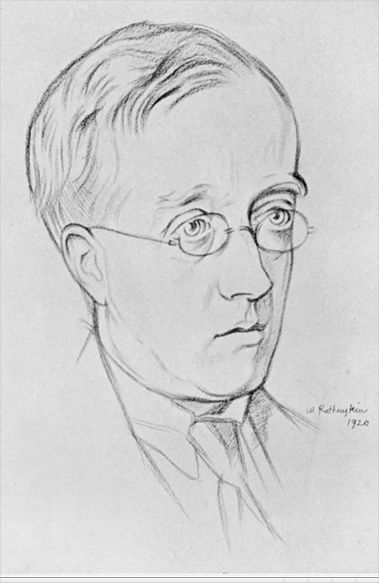
Holst - desenho de William Rothenstein, 1920


Gustav Theodore Holst, nascido Gustavus Theodore von Holst, (Cheltenham, 21 de setembro de 1874 – Londres, 25 de maio de 1934) foi um compositor inglês, arranjador e professor. Conhecido pelo seu trabalho orquestral, a suite The Planets, compôs várias obras de diversos géneros, embora nenhuma tivesse o mesmo sucesso. O seu estilo distinto de composição era o resultado de muitas influências, incluindo o revivalismo folk inglês do início do século XX.


sábado, setembro 19, 2026

William Golding, um vencedor do Nobel da Literatura, nasceu há 115 anos...

https://thumb.wikimedia.org/wikipedia/commons/thumb/f/f9/William_Golding_1983.jpg/500px-William_Golding_1983.jpg?utm_source=pt.wikipedia.org&utm_campaign=imageinfo&utm_content=thumbnail


Sir William Gerald Golding, (Newquay, 19 de setembro de 1911 – Perranarworthal, 19 de junho de 1993) foi um escritor, novelista, dramaturgo e poeta inglês, autor do best-seller O Senhor das Moscas, de 1954, membro da Royal Society of Literature e vencedor do Prémio Nobel de Literatura de 1983. Em 2008, foi eleito pela revista The Times o terceiro entre os "cem maiores escritores britânicos desde 1945".


https://upload.wikimedia.org/wikipedia/en/e/ed/Nobel_Prize.png?utm_source=en.wikipedia.org&utm_campaign=imageinfo&utm_content=thumbnail_unscaled


Filho de um professor, estudou ciências naturais em Oxford e serviu na marinha britânica na II Guerra Mundial. Sobre essa experiência, diria: "Qualquer pessoa que tenha passado por esses acontecimentos terríveis, sem entender que o homem produz o mal como a abelha produz o mel, estava cega ou louca".
Recebeu o Nobel de Literatura de 1983.
Morreu no dia 19 de julho de 1993 em Perranarworthal, por insuficiência cardíaca.

William publicou o seu primeiro livro, e grande sucesso, "O Deus das Moscas", em 1954. Nessa obra o autor contesta a teoria do "bom selvagem" de Rousseau.
   
 
in Wikipédia

quarta-feira, setembro 16, 2026

Katie Melua comemora hoje 42 anos

     
Ketevan (Katie) Elizabeth Melua (Kutaisi, 16 de setembro de 1984) é uma cantora e compositora de nacionalidade britânico-georgiana. Nasceu em Kutaisi (Geórgia) mas, com oito anos, partiu para a Irlanda do Norte e desde os catorze vive na Inglaterra. Em novembro de 2003, com dezanove anos, gravou o seu primeiro álbum, intitulado Call Off the Search, que atingiu um milhão de cópias, vendidas em cinco semanas.


segunda-feira, setembro 14, 2026

Saudades de Amy Winehouse...

Amy Winehouse nasceu há quarenta e três anos...


Amy Jade Winehouse (Londres, 14 de setembro de 1983 - Londres, 23 de julho de 2011) foi uma cantora e compositora britânica conhecida por seu poderoso e profundo contralto vocal e sua mistura eclética de géneros musicais, incluindo soul, jazz e R&B. Ingressou na carreira musical ainda na adolescência, apresentando-se em pequenos clubes de jazz em Londres. No fim de 1999 assinou o seu primeiro contrato com uma editora discográfica, a EMI Music, mas, após ter sido descoberta por Darcus Breeze, em 2001, assinou contrato com a Island Records.
A sua primeira aparição no cenário musical britânico foi em 2003, com o seu álbum de estreia, Frank. O disco foi bem recebido pela crítica especialista, mas, inicialmente, não obteve sucesso comercial apesar de ter produzido quatro singles, todos sem êxito. Foi em 2006, com o lançamento do seu segundo álbum de estúdio, Back to Black, que Amy Winehouse ganhou proeminência como artista. Esse obteve sucesso crítico e comercial e alcançou as posições mais elevadas no ranking internacional, tendo atingido o número um em dezoito países, incluindo Reino Unido, Áustria, Alemanha, Dinamarca e Irlanda, enquanto nos Estados Unidos chegou à sua posição máxima como número dois.
Desse trabalho, foram retirados seis singles, sendo "Rehab" o mais bem-sucedido. Back to Black vendeu seis milhões de cópias e foi o disco mais vendido de 2007. No ano seguinte, o álbum foi nomeado para seis categorias nas 50.ª edição dos Grammy Awards, das quais venceu cinco, o que fez de Winehouse a artista feminina britânica mais premiada em apenas uma edição.
Considerada a desencadeadora da nova invasão britânica, Amy Winehouse é referida como a revolucionadora da música soul pela crítica especialista. Ela é citada como influência musical por várias cantoras, incluindo Adele, Duffy, Rumer e Lady Gaga, e foi a intérprete que mais vendeu em nível digital no Reino Unido, em 2007, sendo posicionada no número dez na Lista dos Ricos do jornal inglês Sunday Times, com lucros totais de dez milhões de libras. Foi, ainda, eleita a segunda maior heroína dos britânicos pelo canal de televisão Sky News, com base em uma pesquisa realizada entre pessoas com menos de 25 anos de idade, em 2008, atrás apenas da princesa Diana, e na lista elaborada pela revista Veja, em 2009, das cantoras internacionais que mais venderam em solo brasileiro, ficou na primeira posição com mais de 500 mil álbuns vendidos, o que fez dela uma das recordistas de vendas no país. Ao longo de sua carreira, Winehouse vendeu um número estimado de trinta milhões de CDs e DVDs em todo o mundo, tornando-se uma das artistas que mais venderam a nível global. As suas conquistas incluem três prémios Ivor Novello Awards e um total de seis Grammy Awards.
No entanto, apesar de bem-sucedida, a sua carreira foi muitas vezes ofuscada por seus problemas pessoais, principalmente pelo seu casamento conturbado com o ex-assistente de vídeo Blake Fielder-Civil, uma vez que as disputas do casal foram diariamente comentadas pela imprensa. Além disso, o seu envolvimento com álcool e drogas e a sua luta para superá-lo também prejudicou a sua imagem pública.
Amy Winehouse foi encontrada morta em sua casa em Londres, em 23 de julho de 2011. A causa da morte foi intoxicação por álcool. Após o falecimento da cantora, Back to Black tornou-se o disco mais vendido do século XXI no Reino Unido. Posteriormente, foi lançada a compilação póstuma Lioness: Hidden Treasures, que recebeu análises positivas dos media especializados e teve um desempenho comercial favorável. Nesse mesmo ano, o jornal sueco Metro International concedeu à cantora o título de Celebridade do Ano, enquanto o canal VH1 colocou-a na 26.ª posição em sua lista das 100 Grandes Mulheres na Música, em 2012, e o periódico i Online denominou-a como a melhor cantora do século, em 2013.