O Curso de Geologia de 85/90 da Universidade de Coimbra escolheu o nome de Geopedrados quando participou na Queima das Fitas.
Ficou a designação, ficaram muitas pessoas com e sobre a capa intemporal deste nome, agora com oportunidade de partilhar as suas ideias, informações e materiais sobre Geologia, Paleontologia, Mineralogia, Vulcanologia/Sismologia, Ambiente, Energia, Biologia, Astronomia, Ensino, Fotografia, Humor, Música, Cultura, Coimbra e AAC, para fins de ensino e educação.
Gerónimo era guerreiro de Cochise
e depois opôs-se-lhe aquando dos acordos com os norte-americanos.
Tornou-se o mais famoso dos chamados "índios renegados". Resistiu
heroicamente, mas rendeu-se após ter uma visão de um comboio passando nas suas
terras. Foi preso e passou vinte e dois anos prisioneiro, até aá data de sua
morte.
(...)
Goyaałé (Geronimo) nasceu em Bedonkohe, próximo de Turkey Creek, atual Novo México (EUA), mas na época parte do México.
O
pai de Gerónimo era chamado de Tablishim, Juana era o nome da mãe. Ele
foi educado de acordo com a tradição apache. Casou com uma mulher Chiricauhua
e teve três filhos. Em 5 de março de 1851, uma companhia de 400
soldados de Sonora, liderados pelo Coronel José Maria Carrasco atacou o
acampamento de Gerónimo. No ataque foram mortos a esposa de Gerónimo,
Alope, os seus filhos e a mãe. O chefe da tribo, Mangas Coloradas,
juntou-se à tribo de Cochise, que estava em guerra contra os
mexicanos. Foi nessa época que se acredita ter Gerónimo ganho o seu nome, que seria uma referência dos mexicanos a São Jerónimo, depois de ele matar vários soldados com faca numa batalha.
Antes
dos mexicanos, os apaches da região de Sonora lutaram contra os
espanhóis em defesa de suas terras. Em 1835, o México estabeleceu
recompensas pelos escalpes dos apaches. Mangas Coloradas começou a
liderar os ataques aos mexicanos, dois anos depois. Na sua luta com ele,
Gerónimo agia como um líder militar, sem ser chefe da tribo. Ele casou
novamente, com Chee-hash-kish e teve mais dois filhos, Chappo e
Dohn-say. Teve uma segunda esposa, Nana-tha-thtith, e teve outro
filho. Depois teria mais esposas: Zi-yeh,She-gha, Shtsha-she e Ih-tedda.
Algumas foram capturadas, como Ih-tedda, que estava com Gerónimo
quando
ele se rendeu.
Durante
1858 e 1886 Gerónimo atacou tropas mexicanas e norte-americanos e
escapou diversas vezes de ser capturado. No final da sua carreira guerreira, o seu
bando contava com apenas 38 homens, mulheres e crianças. O seu bando
tinha sido uma das maiores forças de índios renegados, ou seja, aqueles
que recusaram os acordos com o Governo Americano. Gerónimo rendeu-se
a 4 de setembro de 1886 às tropas do General Nelson A. Miles, em
Skeleton Canyon, Arizona, colocando um fim no episódio chamado de Guerras Apache.
Gerónimo e outros guerreiros foram prisioneiros em Fort Pickens, Flórida, e suas famílias enviadas para o Fort Marion. Reuniram-se em 1887, quando foram transferidos para Mount Vernon Barracks, Alabama. Em 1894, mudaram para Fort Sill, Oklahoma.
No fim da vida, Gerónimo havia-se tornado uma celebridade, aparecendo
em eventos populares tais como a Feira Mundial de 1904, em St. Louis, vendendo souvenirs
e fotografias dele mesmo. Em 1905 Gerónimo contou a sua história a S. M.
Barrett, Superintendente de Educação de Lawton, Oklahoma. Barrett
apelou ao Presidente Roosevelt para publicar o livro.
Gerónimo nunca retornou à terra onde nasceu; morreu, de pneumonia, em Fort Sill, em 1909, e foi enterrado como prisioneiro de guerra.
Nos Estados Unidos os paraquedistas gritam "Gerónimo!" antes de saltar dos aviões.
Demonstrou que o cólera era causado pelo consumo de águas contaminadas
com matérias fecais, ao comprovar que os casos dessa doença se
agrupavam nas zonas onde a água consumida estava contaminada com fezes, na cidade de Londres, no ano de 1854. Nesse ano cartografou num mapa do distrito do Soho os
poços de água, localizando como culpado o poço existente em Broad
Street, em pleno coração da epidemia. Snow recomendou à comunidade
fecha-lo, com o que foram diminuindo os casos da doença. Este episódio é
considerado como um dos exemplos mais precoces no uso do método geográfico para a descrição de casos de uma epidemia.
O trabalho realizado por John Snow na Inglaterra ajudou a romper
com os paradigmas existentes em uma época em que ainda predominava uma
forte crença na teoria miasmática da doença,
também denominada "teoria anti-contagionista". Mais ainda, Snow assentou
as bases teórico-metodológicas do "método epidemiológico", o qual tem
sido utilizado através da história tanto para a investigação das causas,
como para a solução das fontes de todas as doenças transmissíveis. Mais
recentemente, usa-se esse método para a investigação de todos os
problemas de saúde e doença que afetem às comunidades humanas.
Can you feel it?
Now it's coming back we can steal it
If we bridge this gap,
I can see you
Through the curtains of the waterfall
When I lost it,
Yeah you held my hand,
But I tossed it,
Didn't understand,
You were waiting,
As I dove into the waterfall
So say Geronimo!
Say Geronimo!
Say Geronimo!
Say Geronimo!
Say Geronimo!
Say Geronimo!
Say Geronimo!
Can you feel my love?
Bombs away,
Bombs away,
Bombs away
Can you feel (my love, my love, my love, my love, my love) my love?
Bombs away,
Bombs away,
Bombs away,
Say Geronimo!
Well we rushed it,
Moving away too fast
That we crushed it,
But it's in the past
We can make this leap,
Through the curtains of the waterfall
So say Geronimo!
Say Geronimo!
Say Geronimo!
Say Geronimo!
Say Geronimo!
Say Geronimo!
Say Geronimo!
Can you feel (my love, my love, my love, my love, my love) my love?
Bombs away,
Bombs away,
Bombs away,
Can you feel (my love, my love, my love, my love, my love) my love?
Bombs away,
Bombs away,
Bombs away
Well I'm just a boy,
With a broken toy,
All lost and coy,
(At the curtains of the waterfall)
So it's here I stand,
As a broken man,
But I've found my friend,
At the curtains of the waterfall
Now I'm falling down,
Through the crashing sound
And you've come around,
At the curtains of the waterfall
And you rushed to me,
And it sets us free
So I fall to my knees,
(At the curtains of the waterfall)
So say Geronimo!
Say Geronimo!
Say Geronimo!
Say Geronimo!
Say Geronimo!
Say Geronimo!
Say Geronimo!
Say Geronimo!
Say Geronimo!
Say Geronimo!
Say Geronimo!
Say Geronimo!
Planned and final divisions of Europe, according to the Molotov–Ribbentrop Pact, with later adjustments
The Soviet occupation of the Baltic states covers the period from the Soviet–Baltic mutual assistance pacts in 1939, to their invasion and annexation in 1940, to the mass deportations of 1941.
In September and October 1939 the Soviet government compelled the much
smaller Baltic states to conclude mutual assistance pacts which gave
the Soviets the right to establish military bases there. Following invasion by the Red Army in the summer of 1940, Soviet authorities compelled the Baltic governments to resign. The presidents of Estonia and Latvia were imprisoned and later died in Siberia. Under Soviet supervision, new governments of Communists and fellow travelers arranged rigged elections
with falsified results. Shortly thereafter, the Soviet-installed
puppet governments requested admission into the Soviet Union. In June
1941 the new Soviet governments carried out mass deportations of "enemies of the people". Consequently, at first many Balts greeted the Germans as liberators when they occupied the area a week later.
Background
After the Soviet invasion of Poland
on 17 September 1939, the Soviets pressured Finland and the Baltic
states to conclude mutual assistance treaties. The Soviets questioned
the neutrality of Estonia following the escape of a Polish submarine from Tallinn on 18 September. A week after on 24 September, the Estonian foreign minister was given an ultimatum in Moscow. The Soviets demanded the conclusion of a treaty of mutual assistance to establish military bases in Estonia.
The Estonians had no choice but to allow the establishment of Soviet
naval, air and army bases on two Estonian islands and at the port of Paldiski.
The corresponding agreement was signed on 28 September 1939. Latvia
followed on 5 October 1939 and Lithuania shortly thereafter, on 10
October 1939. The agreements permitted the Soviet Union to establish
military bases on the Baltic states' territory for the duration of the
European war and station 25,000 Soviet soldiers in Estonia, 30,000 in Latvia and 20,000 in Lithuania from October 1939.
Soviet ultimatums
In 1939 Finland had rejected similar Soviet demands for military bases on Finnish territory. Consequently, the Soviet Union attacked Finland, starting the Winter War in November. The war ended in March 1940 with Finnish territorial losses, but Finland kept its sovereignty. The Baltic states were neutral in the Winter War and the Soviets praised their relations with the USSR as exemplary.
Sovietic military plans
The Soviet troops allocated for possible military actions against the
Baltic states numbered 435,000 troops, around 8,000 guns and mortars,
over 3,000 tanks, and over 500 armoured cars. On June 3, 1940 all Soviet
military forces based in Baltic states were concentrated under the
command of Aleksandr Loktionov. On June 9 the directive 02622ss/ov was given to the Red Army's Leningrad Military District by Semyon Timoshenko to be ready by 12 June to a) capture the vessels of the Estonian,
Latvian and Lithuanian navies in their bases or at sea; b) capture the
Estonian and Latvian commercial fleets and all other vessels; c)
prepare for an invasion and landing in Tallinn and Paldiski; d) close the Gulf of Riga and blockade the coasts of Estonia and Latvia in the Gulf of Finland and Baltic Sea;
e) prevent an evacuation of the Estonian and Latvian governments,
military forces and assets; f) provide naval support for an invasion
towards Rakvere; and g) prevent Estonian and Latvian airplanes from flying either to Finland or Sweden.
On June 12, 1940, according to the director of the Russian State
Archive of the Naval Department Pavel Petrov (C.Phil.) referring to the
records in the archive, the Soviet Baltic Fleet
was ordered to implement a total military blockade of Estonia. On June
13 at 10:40 AM Soviet forces started to move to their positions and
were ready by June 14 at 10 PM: Four submarines and a number of light
navy units were positioned in the Baltic Sea, in the Gulfs of Riga and
Finland to isolate the Baltic states by the sea; a navy squadron
including three destroyer divisions was positioned to the west of Naissaar in order to support the invasion; the 1st marine brigade's four battalions were positioned on the transport ships Sibir, 2nd Pjatiletka and Elton for landings on the islands Naissaare and Aegna; the transport ship Dnester and destroyers Storozevoi and Silnoi
were positioned with troops for the invasion of the capital Tallinn;
the 50th battalion was positioned on ships for an invasion near Kunda.
120 Soviet vessels participated in the naval blockade, including one
cruiser, seven destroyers, and seventeen submarines, along with 219
airplanes including the 8th air-brigade with 84 DB-3 and Tupolev SBbombers and the 10th brigade with 62 airplanes.
On June 14, 1940, the Soviets issued an ultimatum to Lithuania. The Soviet military blockade of Estonia went into effect while the world's attention was focused on the fall of Paris to Nazi Germany. Two Soviet bombers downed the Finnish passenger airplane "Kaleva" flying from Tallinn to Helsinki carrying three diplomatic pouches from the U.S. legations in Tallinn, Riga and Helsinki. The US Foreign Service employee Henry W. Antheil, Jr. was killed in the crash.
Red Army invades
On June 15, the USSR invaded Lithuania and Soviet troops attacked the Latvia border guards at Masļenki. On June 16, 1940, the USSR invaded Estonia and Latvia. According to a Time magazine article published at the time of the invasions, in a matter of days around 500,000 Soviet Red Army troops occupied the three Baltic states - just one week before the Fall of France to Nazi Germany. Molotov
accused the Baltic states of conspiracy against the Soviet Union and
delivered an ultimatum to all Baltic countries for the establishment of
Soviet-approved governments. Threatening invasion and accusing the
three states of violating the original pacts as well as forming a
conspiracy against the Soviet Union, Moscow presented ultimatums,
demanding new concessions, which included the replacement of their
governments and allowing an unlimited number of troops to enter the
three countries. Hundreds of thousands Soviet troops entered Estonia,
Latvia, Lithuania. These additional Soviet military forces far
outnumbered the armies of each country.
The Baltic governments had decided that, given their international
isolation and the overwhelming Soviet forces on their borders and
already on their territories, it was futile to actively resist and
better to avoid bloodshed in an unwinnable war. The occupation of the Baltic states coincided with a communist coup d'état in each country, supported by the Soviet troops.
Most of the Estonian Defence Forces and the Estonian Defence Leaguesurrendered
according to the orders of the Estonian Government and were disarmed by
the Red Army.
Only the Estonian Independent Signal Battalion stationed in Tallinn at
Raua Street showed resistance to the Red Army and "People's
Self-Defence" Communist militia, fighting the invading troops on 21 June
1940. As the Red Army brought in additional reinforcements supported by
six armoured fighting vehicles, the battle lasted several hours until sundown. Finally the military resistance was ended with negotiations and the Independent Signal Battalion surrendered and was disarmed.
There were two dead Estonian servicemen, Aleksei Männikus and Johannes
Mandre, and several wounded on the Estonian side and about ten killed
and more wounded on the Soviet side. The Soviet militia that participated in the battle was led by Nikolai Stepulov.
Winston Churchill, First Lord of the Admiralty at the time, said in his
1939 radio broadcast: that the Russian armies should stand on this line
was clearly
necessary for the safety of Russia against the Nazi menace. At any
rate, the line is there, and an Eastern front has been created which
Nazi Germany does not dare assail. When Herr von Ribbentrop was
summoned to Moscow last week it was to learn the fact, and to accept
the fact, that the Nazi designs upon the Baltic States and upon the
Ukraine must come to a dead stop.
Sovietization of the Baltic states
Political repressions followed with mass deportations carried out by the Soviets. The Serov Instructions, "On the Procedure for carrying out the Deportation of Anti-Soviet Elements from Lithuania, Latvia, and Estonia", contained detailed procedures and protocols to observe in the deportation of Baltic nationals.
The Soviets began a constitutional metamorphosis of the Baltic states by
first forming transitional "People's Governments." Led by Stalin’s
close associates,
and local communist supporters as well as official brought in from the
Soviet Union, they forced the presidents and governments of all three
countries to resign, replacing them with the provisional People's
Governments.
On July 14–15, following illegal amendments to the electoral laws of
the respective states, rigged parliamentary elections for the "People's Parliaments"
were conducted by local Communists loyal to the Soviet Union. Because
of new election restrictions in the amended electoral laws, only the
Communists and their allies were effectively allowed to run.
The election results were completely fabricated: the Soviet press
service released them early, with the result that they had already
appeared in print in a London newspaper a full 24 hours before the polls closed.
The new Soviet-installed governments in the Baltic states began to align their policies with current Soviet practices.
According to the prevailing doctrine in the process, the old
"bourgeois" societies were destroyed so that new socialist societies,
run by loyal Soviet citizens, could be constructed in their place.
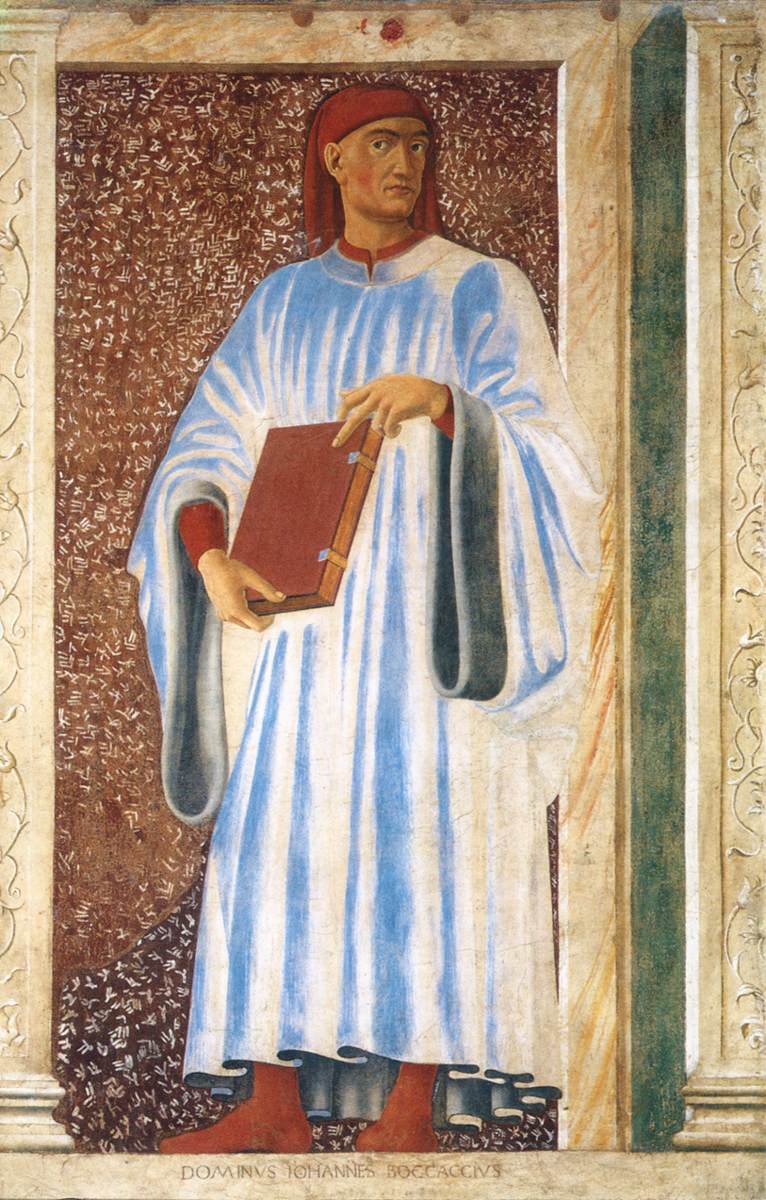
Filho de um mercador, Boccaccio não se dedicou ao comércio como era o desejo de seu pai, preferindo cultivar o talento literário que se manifestou desde muito cedo. Foi um importante humanista, autor de um número notável de obras, incluindo Decamerão, o poema alegóricoVisão Amorosa (Amorosa visione) e De claris mulieribus, uma série de biografias de mulheres ilustres. O "Decamerão" fez de Boccaccio o primeiro grande realista da literatura universal.
Ao ler "A Comédia", de Dante Alighieri, ficou tão fascinado que a renomeou de "A Divina Comédia", título com que a obra seria imortalizada. Considerado pelos seus contemporâneos florentinos uma autoridade sobre Dante, o governo da cidade convidou-o, em 1373,
a fazer uma leitura pública da Divina Comédia. Se bem que haja poucos
registos, crê-se que Boccaccio fez apenas cerca de 65 palestras, pois a
doença obrigava-o a interromper a apresentação no Canto XVII do Inferno. Nunca conseguiria terminar o projeto, mas o texto com os seus comentários ficou para a posteridade: Esposizioni sopra la Comedia di Dante. Boccacio foi autor de uma das primeiras biografias de Dante, o Trattatello in laude di Dante, também conhecido como Vita di Dante. Encontra-se sepultado na Igreja de São Jacob e Filipe na Toscana, Itália.
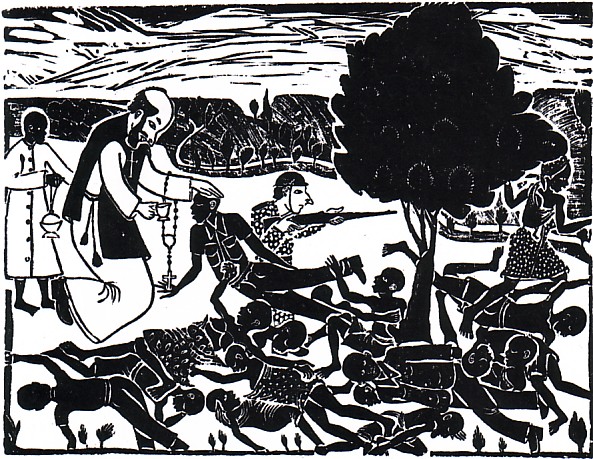
Naquela data, realizou-se uma reunião entre a população do atual distrito de Mueda
e a administração colonial, que terminou com a morte a tiros de um
número indeterminado de moçambicanos. De acordo com algumas fontes, a
reunião teria sido pedida pela MANU, uma organização que pretendia a independência
daquela região de Moçambique, e acordada com a Administração, não
sendo muito clara a razão dos disparos. Pensa-se que poderia ter sido
uma demonstração de força por parte das autoridades para dissuadir os
moçambicanos de lutarem pela independência.
Depois da independência, o dia 16 de junho passou a ser celebrado. Foi nesta data, em 1980, que se lançou a nova moeda nacional de Moçambique, o metical.
A Aliança Luso-Britânica, em Portugal conhecida vulgarmente como Aliança Inglesa, entre Inglaterra (sucedida pelo Reino Unido) e o Reino de Portugal é a mais antiga aliança diplomática do mundo ainda em vigor. Foi assinada em 1373 - em plena Idade Média,
portanto. Os portugueses, em geral, queixam-se de que tal aliança foi
sempre mais proveitosa para os ingleses, enquanto potência internacional
de maior força económica e política. Contudo, há que não esquecer o
período, após os Descobrimentos,
em que Portugal era assumidamente uma potência internacional de maior
influência. Hoje em dia, a aliança já não é, praticamente, invocada, embora
ainda que se mantenha. Ao longo da história de Portugal, contudo, teve importantes consequências, ao colocar o país frente às tropas napoleónicas, devido à rejeição lusa do Bloqueio Continental,
incompatível com os termos desta aliança. No período pós-guerra, a
Inglaterra manteve um largo contingente militar e determinados
privilégios em território português.
Idade Média
A ajuda inglesa à Casa de Avis
foi o primeiro patamar de um conjunto de ações de cooperação com
Inglaterra que viriam a ser de extrema importância na política externa
portuguesa por mais de 500 anos. Em 12 de maio de 1386, o Tratado de Windsor reafirmava uma aliança que já tivera o seu gérmen em 1294, e que fora confirmada em Aljubarrota, com um pacto de amizade perpétua entre os dois países. João de Gant duque de Lencastre, filho de Eduardo III de Inglaterra, e teve o apoio português nas suas tentativas de ascender ao trono de Castela, apesar de D. Fernando I também o reclamar para si. Pelo Tratado de Tagilde, de 10 de julho de 1372,
os dois pretendentes decidem unir esforços contra o mesmo rival,
deixando para depois qualquer decisão quanto às pretensões ao trono.
Contudo, desta união resultou apenas uma derrota, que se viria a repetir
em 1385, com compensação financeira para João de Gante por parte do seu
rival, Henrique da Trastâmara. Portugal tinha reafirmado a aliança pelo Tratado de Londres, de 16 de junho de 1373, considerado por alguns autores como o seu fundamento jurídico, mas ratificado em Windsor.
João de Gante deu, entretanto, a mão de sua filha, Filipa de Lencastre, a D. João I
- ato que selou a aliança política. A influência de Filipa de
Lencastre foi notável, tanto no ponto de vista da sua descendência (a Ínclita Geração)
bem como pela sua intervenção no que diz respeito às relações
comerciais entre Portugal e Inglaterra, incentivando as importações de bacalhau e vestuário de Inglaterra e a exportação de cortiça, sal, vinho e azeite, a partir dos armazéns do Porto.
Entre os séculos XVII e XIX
Após a Restauração, o tratado de 1642 reafirmou a amizade recíproca entre os dois reinos, e concedeu liberdade de comércio aos ingleses nos domínios de Portugal. Em 1661, foi assinado o tratado de Paz e Aliança
entre Portugal e a Grã-Bretanha, marcando o início da predominância
económica inglesa sobre Portugal e suas colónias. Ficou acordado o
casamento de Carlos II de Inglaterra com D. Catarina de Bragança, entregando-se aos ingleses as cidades de Tânger em Marrocos e Bombaim na Índia e Colombo em Ceilão.
O Tratado de Methuen, em 1703, deu livre entrada aos lanifícios ingleses em Portugal e redução das tarifas impostas à importação de vinhos portugueses em Inglaterra.
Outros episódios que marcaram a aliança foram, por exemplo, a Guerra da Sucessão Espanhola, em que Portugal começou por estar ao lado de França, em conjunto com o Duque de Saboia, mas voltando a reunir-se ao seu aliado depois da Batalha de Blenheim.
Para Portugal, contudo, teve maior importância as implicações da
aliança para o desencadear das Invasões francesas e para a resposta
militar que permitiria recuperar a independência com a ajuda militar inglesa, cuja frota acompanhou a família real para o Brasil.
Em consequência da divisão de África pelas potências europeias, as
relações entre Portugal e o Reino Unido entraram em crise, agravada pelo
Ultimato, que gerou uma forte reação patriótica contra os britânicos.
Século XX
Durante o século XX, o tratado voltou a ser invocado por diversas vezes:
As tropas portuguesas participaram na Campanha de França, na Primeira Guerra Mundial,
depois da solicitação, por parte da Grã-Bretanha, da requisição de
todos os navios alemães em portos portugueses - o que motivou a
declaração de Guerra da Alemanha a Portugal, em 9 de março de 1916.
Durante a Segunda Guerra Mundial, apesar da neutralidade portuguesa,
a aliança foi invocada para o estabelecimento de bases militares nos
Açores.
Em 1961, durante a ocupação da Índia Portuguesa (Goa, Damão e Diu) pela União Indiana, o Reino Unido limitou-se a mediar o conflito, o que levou Salazar a considerar a aliança numa crise insanável.
Hoje em dia, como os dois países são membros da NATO, sendo as suas relações mais coordenadas por essa
instituição do que pelos pontos previstos nos diversos tratados que
formam a totalidade da Aliança.
Oriunda de uma família proletária - o seu pai era um motorista de trator, desaparecido na guerra russo-finlandesa de 1940 - Valentina só entrou para a escola aos oito anos e começou a trabalhar com dezoito, numa fábrica têxtil. Na mesma época, começou a participar num clube de paraquedistas amadores. Aos 24 anos, em 1961, começou a estudar para se qualificar como cosmonauta, no mesmo ano em que o diretor do programa espacial soviético, Sergei Korolev, considerou enviar mulheres ao espaço, numa forma de colocar a primeira mulher em órbita antes dos Estados Unidos.
Em 1962,
ela foi admitida como cosmonauta, com mais quatro mulheres - das
quais apenas ela acabou indo ao espaço - sendo a menos preparada de
todas, sem educação universitária, mas especialista em paraquedismo,
considerado condição fundamental para o voo, já que a nave Vostok
operava automaticamente, dispensando pilotagem, mas o ocupante era
ejetado dela após a reentrada, pousando com um pára-quedas pessoal.
Em junho de 1963, a União Soviética colocou duas naves espaciais simultaneamente no espaço, sendo que a primeira foi conduzida por Valery Bykovsky, que bateu o recorde de resistência no espaço, quando completou uma missão de cinco dias. Valentina voou na nave Vostok 6, lançada de Baikonur em 16 de junho, tornando-se a primeira mulher no espaço. Ela completou 48 órbitas ao redor da Terra, no total de 71 horas, quase três dias, apesar das náuseas
e do desconforto psicológico que sentiu. Depois de chegarem a
permanecer em órbita a uma distância de 5 km uma da outra, com os
cosmonautas trocando impressões e saudações por rádio, ambas as naves aterraram no dia 19 de junho.
Valentina teve problemas na sua descida. Quando ejetada da Vostok VI, esteve próxima de cair dentro de um lago,
e ela narra nas suas memórias que, se isso acontecesse, talvez não
conseguisse sobreviver, pois estava sem forças para nadar até à borda, estando desidatrada,
exausta, com fome pelas náuseas que praticamente a impediram de comer
em órbita, e psicologicamente afetada pela viagem - em princípio
programada para um dia mas alongada para três, pela sensação que causou
no mundo o seu lançamento. Mas um forte vento mudou a direção do
pára-quedas e a fez cair em
terra. Mesmo assim, o impacto foi forte e ela ficou com uma grande
mancha roxa no nariz, que bateu no capacete, sendo obrigada a usar forte
maquilhagem nos primeiros dias de aparições públicas oficiais. Os seus
três dias a bordo da Vostok eram, então, mais tempo no espaço que todos os
astronautas norte-americanos tinham juntos no espaço.
Em 1964, Valentina e o cosmonauta Andrian Nikolayev casaram e tiveram uma filha, considerada a primeira criança nascida de pais cosmonautas. Divorciada desde 1982, casou-se novamente com Yuli Shaposhnikov, morto em 1999. Nos anos seguintes ao seu voo, ela graduou-se em engenharia. Só nos anos 80 uma mulher russa voltaria ao espaço.
A primeira vez que subiu a um palco foi em 1974 numa reunião de moradores do Bairro de Santa Cruz, em Benfica,
quando o amigo que se encontrava a atuar para encerrar a sessão a
chamou para assobiar a melodia da flauta do tema do Sérgio Godinho "Pode
alguém ser quem não é". A sua inesperada estreia verdadeiramente a
solo seguiu-se, quando se acompanhou à guitarra para cantar o tema "Ne
Me Quitte Pas", de Jacques Brel.
Lena d'Água foi a primeira mulher em Portugal a integrar como vocalista uma banda de rock, (os Beatnicks, grupo musical de Rock Progressivo com base na Amadora). A sua estreia na banda aconteceu na festa de finalistas do Liceu de Sintra, em maio de 1976.
Seguiram-se dois anos de bastantes concertos ao vivo pelo país, tendo a banda viajado para os Açores em julho de 1977,
onde participou no Festival Musical Açores, na ilha Terceira. A sua
última atuação com a banda aconteceu em março de 1978, na noite em que
os Beatnicks fizeram a 1ª parte do concerto de Jim Capaldi, no Coliseu dos Recreios de Lisboa. Não chegou a participar no EP que a banda viria a gravar nesse ano.
Pouco depois é convidada a participar nos coros do grupo Gemini, no Festival da Canção da RTP e acompanha-os à Eurovisão em Paris com a canção "Dai-li, dai-li dou".
Começara já na época a ser contratada para trabalho de estúdio, em
publicidade ou em coros para artistas consagrados. É também neste ano
de 1978 que participa na gravação do álbum "Ascensão e Queda" do grupo "Petrus Castrus".
Concluíra o Curso do Magistério Primário e no final desse ano fez
parte da "Oficina de Teatro e Comunicação", a companhia de teatro
independente com quem levou à cena a peça para crianças "Ou isto ou
aquilo". Esta encenação de José Caldas de poemas de Cecília Meirelles, tinha adereços e figurinos de Dalton Salem Assef e coreografia de Águeda Sena.
Lena Águas participou como atriz e foi a diretora musical. Este
espetáculo foi apresentado em vários bairros pobres da periferia de
Lisboa, no âmbito das campanhas de dinamização cultural que tiveram
lugar na altura. As canções da peça, todas da autoria de Luís Pedro Fonseca, viriam a ser gravadas em 1992 no álbum para crianças "Ou isto ou aquilo".
No ano de 1979 grava o seu primeiro disco, o single "O nosso livro" (Florbela Espanca) /"Cantiga da babá" (Cecília Meirelles), ambos os poemas musicados por Luís Pedro Fonseca. Grava o seu primeiro disco de longa duração para as crianças, "Qual é coisa qual é ela?" com adivinhas de Maria João Duarte musicadas por Luís Pedro Fonseca e José da Ponte editado pela recente editora Edipim. Com os dois músicos funda, em 1980, a banda Salada de Frutas
na qual Lena d'Água é a vocalista principal. O álbum "sem açúcar" é
editado em novembro desse ano e seguem-se meses de atuações ao vivo em
Portugal. Em maio de 1981 é lançado o single "Robot/Armagedom", que
teve entrada direta para o 1º lugar do TOP 20 de vendas e foi um dos
maiores sucessos da década de 80 em Portugal.
Em setembro de 1981, Lena e Luis Pedro abandonam o grupo para formarem
a Banda Atlântida e em outubro Lena d'Água assina contrato
discográfico com a editora Valentim de Carvalho. Em novembro é lançado o single "Vigaro Lá Vigaro Cá/Labirinto" e é dado início aos concertos ao vivo com a nova banda.
O primeiro álbum em nome próprio, "Perto de Ti", de 1982, contou com
produção do inglês Robin Geoffrey Cable e foi disco de prata, falhando
por pouco a marca de ouro - nessa altura a marca de prata era atingida
com 10 mil unidades vendidas e a de ouro as 20 mil. O álbum Perto de
ti vendeu perto de 18 mil cópias.
Segue-se em 1983 o single ecológico "Jardim Zoológico/Papalagui" e em
1984 o álbum "Lusitânia", novamente produzido por Robin Geoffrey Cable,
e que atinge igualmente a marca de prata. Neste álbum figura o tema
que virá a ser considerado o ex-libris da cantora, "Sempre que o amor
me quiser", criação de Luís Pedro Fonseca.
Também em 1984 é lançado o livro ("A Mar Te"), coletânea de poemas da sua juventude, editado pela editora Ulmeiro.
Em 1986 muda para a editora CBS e grava o álbum "Terra Prometida", com
produção de Robin Geoffrey Cable e de Luís Pedro Fonseca. Dou-te um doce
é o primeiro single e será o primeiro videoclipe português escolhido
para passar no programa "Countdown", de Adam Curry, na Europa TV. Foi
igualmente disco de prata.
Em 1987 é editado "Aguaceiro", arranjado e produzido por António Emiliano. Foi disco de prata. Neste disco foi gravado o tema "Estou além", de António Variações. Ida ao Brasil.
Em 1989, gravação e edição do álbum "Tu aqui", que inclui a participação de Mário Laginha na canção "Essa Mulher" celebrizada por Elis Regina. Destaca-se ainda a gravação de cinco temas inéditos de António Variações. O disco teve produção de Guilherme Inês e Zé da Ponte.
Em 1992 é lançado o álbum "Ou isto ou aquilo", álbum para crianças,
composto por Luís Pedro Fonseca em 1978 a partir dos poemas de Cecília Meirelles.
Em 1993 junta-se a Helena Vieira e Rita Guerra para uma produção musical do maestro Pedro Osório gravada ao vivo com orquestra no Casino do Estoril.
"As canções do século" foi disco de prata. Este espetáculo foi
apresentado um pouco por todo o país ao vivo com orquestra até finais de
1999.
Entre 1995 e 1996 divide o palco com Adelaide Ferreira,
numa série de concertos em que as duas cantoras se fizeram acompanhar
por um septeto para interpretarem temas de ambos os reportórios com
arranjos do maestro Pedro Osório.
Ainda em 1999 estreia no Hot Clube de Portugal um concerto dedicado ao repertório de Billie Holiday,
que apresentou entre 2000 e 2003. Também por esta altura montou o
tributo a Elis Regina, com o qual fez alguns espetáculos de inverno.
Foi nesta fase que aprofundou os seus conhecimentos musicais no contacto
em palco com os excelentes músicos da cena jazzística portuguesa.
Em 2000, colaborou na versão da sua canção emblemática “Sempre Que o Amor Me Quiser” gravada pelo grupo angolano SSP. Ida a Angola para participar num espetáculo do grupo em Luanda. Ida ao México onde participou no Festival da OTI, em Acapulco, afamada estância balnear mexicana. Também nesse ano gravou com Jorge Palma o tema “Laura”, canção principal do telefilme da SIC “A Noiva”, incluída no álbum “Perdidamente, as Canções de João Gil“.
Em 2006 produz a festa-concerto de comemoração dos seus 50 anos, no
Cabaret Maxime, em Lisboa. Este espetáculo em três atos - Billie
Holiday, Elis Regina, Lena d'Água - foi gravado em DVD para futura
edição.
É editado em maio de 2007 pela EMI Portugal, com o selo de qualidade
da prestigiada Blue Note, o CD/DVD "Lena d'Água SEMPRE, ao vivo no Hot Clube de Portugal" gravado em dezembro de 2005.
O álbum "Perto de Ti" foi reeditado em 2008 pela iPlay na coleção "Tempo do Vinil".
Filha primogénita de José Águas, glória inesquecível do futebol do Benfica e da seleção portuguesa no período entre 1950 e 1963, Helena escreveu o livro «José Águas, o Meu Pai Herói», que foi lançado em 2011 pela Oficina do Livro, do grupo Leya.
Lena d’Água voltou a estúdio em 2013 na companhia da banda "Rock’n’Roll
Station", para o registo de 13 recriações dos seus clássicos, entre os
quais "Sempre Que O Amor Me Quiser", "Robot", "Dou-te Um Doce",
"Vígaro Cá, Vígaro Lá", "Demagogia", "Perto de Ti" e "Beco". O álbum,
"Carrossel", foi editado pela "Farol" em Junho de 2014.
Participou no Festival RTP da Canção 2017, com o tema "Nunca Me Fui Embora", da autoria de Pedro da Silva Martins, tendo sido apurada para a final e ficado classificada em sétimo lugar na final.
Participa na banda sonora de série da RTP 1986, de Nuno Markl, como intérprete na canção de abertura "Eletrificados".
Em maio de 2019 é editado o álbum "Desalmadamente" composto
inteiramente por originais escritos por Pedro da Silva Martins e que
teve produção de Benjamim, Mariana Ricardo, Sérgio Nascimento e
Francisca Cortesão. "Queda Para Voar" e "Desalmadamente" eram outros dos
temas previstos para a participação no Festival RTP de 2017 e que
agora aparecem em disco.
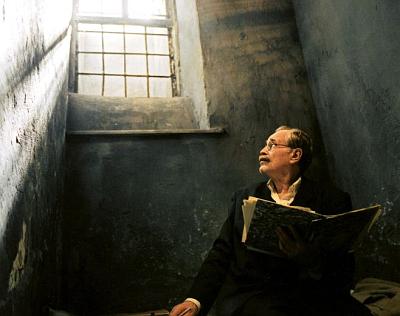
Depois da ocupação da Hungria pelos soviéticos em 1945, na sequência da Segunda Guerra Mundial,
Nagy tornou-se ministro da Agricultura e ministro da Justiça durante o
período de purgas (1948-1953), mas pertenceu à liderança da ala
reformista do Partido Comunista Húngaro após a morte de Estaline.
Em outubro de 1956, tornou-se primeiro-ministro
durante a revolução e concordou com medidas radicais anti-soviéticas.
Depois das tropas soviéticas ocuparem a Hungria e terem esmagado pela força
a Revolução Húngara de 1956, Nagy foi executado e enterrado secretamente em 1958.
De manhã temendo que me achasses feia, acordei tremendo deitada na areia, mas logo os teus olhos disseram que não e o sol penetrou no meu coração. Vi depois, numa rocha, uma cruz, e o teu barco negro dançava na luz; vi teu braço acenando, entre as velas já soltas. Dizem as velhas da praia que não voltas... São loucas! São loucas! Eu sei, meu amor, que nem chegaste a partir, pois tudo em meu redor me diz que estás sempre comigo. No vento que lança areia nos vidros, na água que canta, no fogo mortiço, no calor do leito, nos bancos vazios, dentro do meu peito estás sempre comigo.
Atores caracterizados como personagens de Ulisses, durante o Bloomsday, em Dublin
Bloomsday, comemorado a 16 de junho, é o dia feriado instituído na Irlanda para homenagear o personagem Leopold Bloom, protagonista de Ulisses, de James Joyce. Em todo o mundo, é o único dia dedicado a um personagem de um livro.
O Bloomsday é comemorado na Irlanda e pelos amantes da literatura
com diversos eventos oficiais e não oficiais. Também é comemorado
todos os anos em vários lugares e em várias línguas. Em comum entre os
muitos dedicados entusiastas e simpatizantes envolvidos nestas
comemorações há o esforço por relembrar os acontecimentos vividos pelos
personagens de Ulisses pelas dezanove ruas da cidade de Dublin.
Há alguma controvérsia sobre o ano em que o Bloomsday começou a ser comemorado. Alguns especialistas indicam 1925 (três anos após o lançamento do livro); outros afirmam que foi na década de 40, logo após a morte de Joyce, enquanto a hipótese mais aceita indica que foi em 1954, na data do quinquagésimo aniversário do dia retratado em Ulisses.
Hoje o Bloomsday é uma efeméride
inserida no calendário cultural de vários países e não se restringe ao
círculo de leitores da obra.
Tupac Amaru Shakur (Nova Iorque, 16 de junho de 1971 - Las Vegas, 13 de setembro de 1996), mais conhecido pelos seus nomes artísticos2Pac, Makaveli ou apenas Pac, foi um rapper
norte-americano. Críticos e membros da indústria fonográfica o nomeiam
como o maior rapper de todos os tempos.Vendeu até à data da sua morte
cerca de 75 milhões de álbuns. Além de ser músico, Tupac também foi ator
e ativista social. A maioria das suas canções trata sobre como crescer
no meio da violência e da miséria nos guetos, o racismo, os problemas
da sociedade e os conflitos com os outros rappers. O trabalho de Shakur
é conhecido por defender a igualdade política, económica, social e
racial. Antes de entrar para a carreira artística, ele era um roadiee dançarino de hip hop alternativo. Começou a fazer sucesso quando entrou para o grupo Digital Underground.
Shakur tornou-se alvo de diversas ações judiciais e sofreu outros
problemas legais. No início de sua carreira, ele foi atingido por cinco
tiros e assaltado no corredor de um estúdio de gravação em Nova Iorque.
Após o incidente, Tupac começou a suspeitar que outras figuras da
indústria do rap sabiam do acontecido e não o avisaram, o
que desencadeou a rivalidade entre as costas Leste e Oeste. Mais tarde, Shakur acabou sendo condenado por abuso sexual e esteve preso durante onze meses, tendo sido libertado da prisão num recurso financiado por Suge Knight, diretor executivo da Death Row Records. Em troca da ajuda de Suge, Tupac teve de gravar três álbuns sob o selo Death Row.
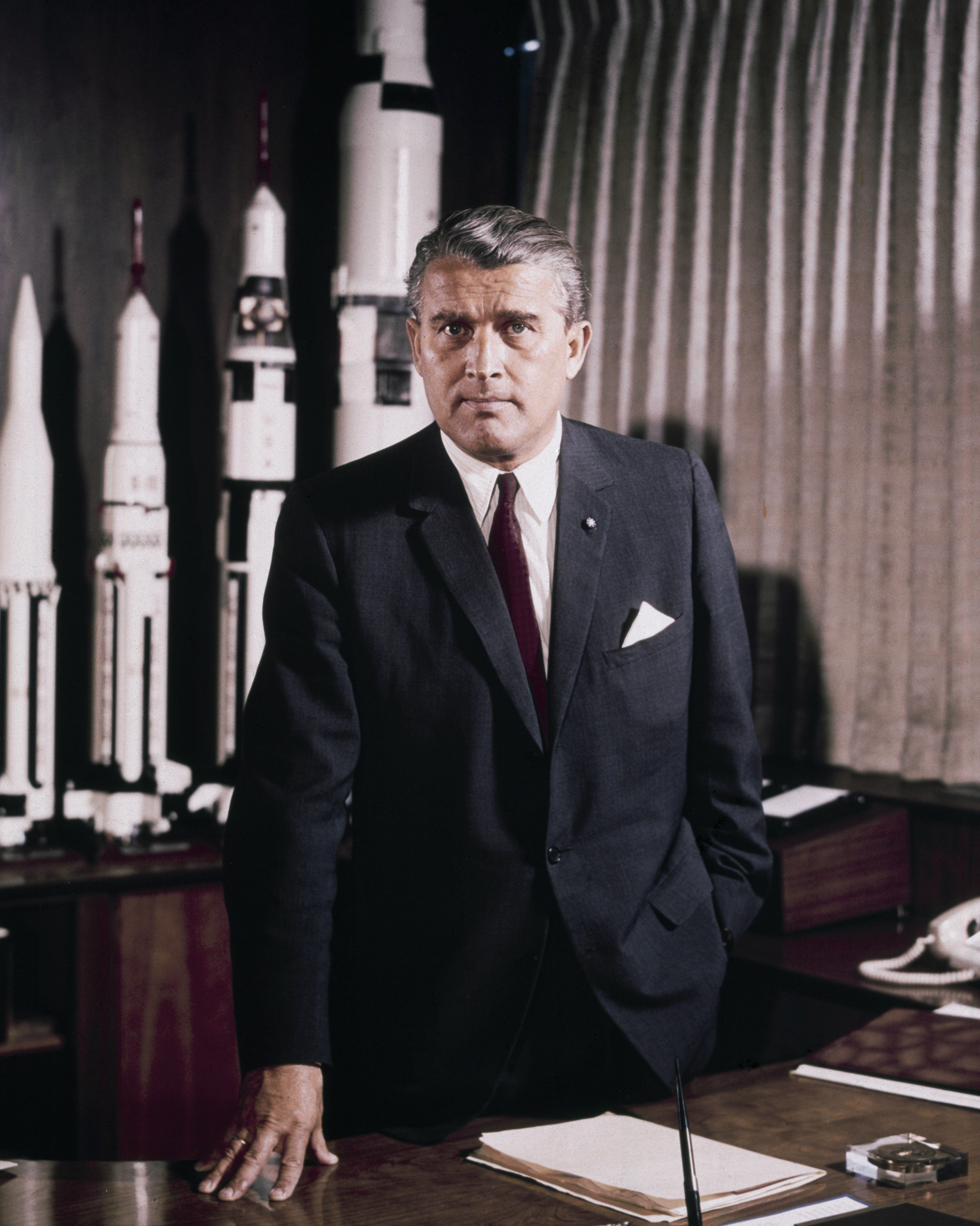
Um pioneiro e visionário das viagens espaciais, é mundialmente conhecido pela sua liderança do projeto aeroespacial americano durante a Corrida Espacial, tendo trabalhado como projetista chefe do primeiro foguete de grande porte movido a combustível líquido produzido em série, o Aggregat 4, e por liderar o desenvolvimento do foguete Saturno V, que levou os astronautas dos EUA à Lua, em julho de 1969. A sua contraparte e rival, do lado soviético, foi o engenheiro Sergei Korolev.
Filho de um barãoprussiano, demonstrou desde cedo grande inteligência e pendor técnico. Estudou engenharia mecânica no Instituto de Tecnologia Charlottenburg de Berlim. Antes e durante a Segunda Guerra Mundial, trabalhou no programa alemão de foguetes, alcançando progressos memoráveis. Em 1937, foi nomeado diretor do centro de experimentação de Peenemünde, onde foi responsável do aperfeiçoamento das bombas voadorasV-2, que seriam utilizados cerca de 4000 vezes principalmente na Inglaterra, em resposta aos milhares de bombardeamentos aéreos dos aliados sobre as cidades alemãs.
Com a derrota da Alemanha, e vendo que os russos estavam levando para o seu território não só as instalações remanescentes de Peenemünde,
mas também a maior parte dos engenheiros alemães, decidiu entregar-se
voluntariamente, com os seus principais auxiliares, aos americanos. Entrou
nos EUA através do (na época) programa secreto chamado Operação Paperclip.
Textos, músicas, fotos e outros materiais aqui publicados, parte sem prévia autorização, são propriedade de seus autores, que são, sempre que possível, identificados e creditados. O seu uso deve-se a razões culturais, científicas e didáticas, sem objetivo comercial ou usurpação de autoria. Pretendemos apenas expressar admiração pelos autores, contribuindo para a sua divulgação, respeitando inteiramente pedidos de retirar os seus materiais.