terça-feira, março 10, 2026
O geólogo George Julius Poulett Scrope nasceu há 229 anos
Postado por Fernando Martins às 02:29 0 comentários
Marcadores: Geologia, George Julius Poulett Scrope, Vesúvio, vulcanismo
domingo, março 01, 2026
O Parque Nacional de Yellowstone faz hoje 154 anos

Postado por Fernando Martins às 01:54 0 comentários
Marcadores: caldeiras, campo hidrotermal, Ecologia, geyser, Old Faithful, Parque Nacional de Yellowstone, supervulcão, vulcanismo, vulcanismo secundário
domingo, fevereiro 01, 2026
Há 208 anos houve uma erupção no Pico...
Os Mistérios de Santa Luzia são uma localidade da Freguesia de Santa Luzia, Concelho de São Roque do Pico, ilha do Pico, arquipélago dos Açores.
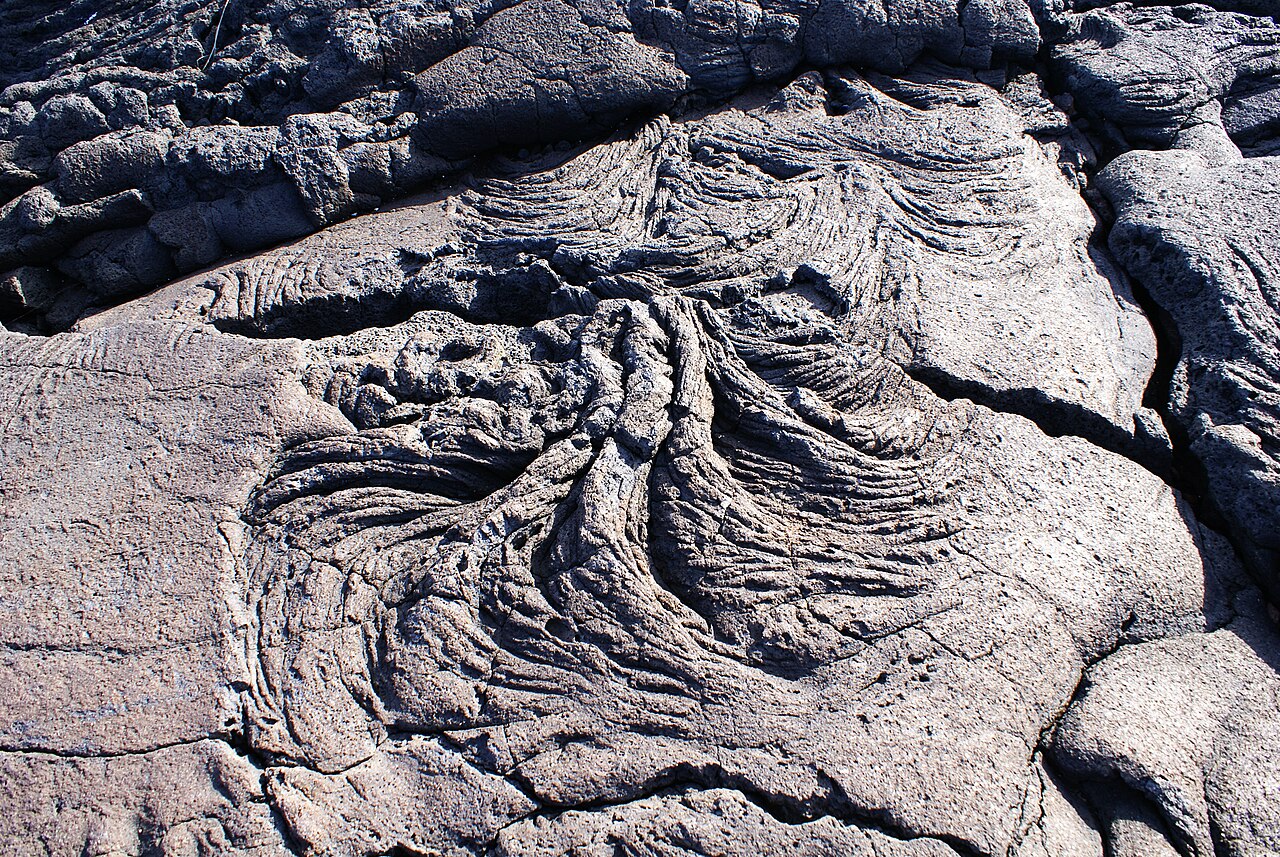
Na origem desta local estiveram duas erupções vulcânicas, uma ocorrida no século XVI e uma outra nos princípios do século XVIII, mais precisamente em 1718. Esta última erupção teve grande violência, tendo procedido à expulsão de grandes quantidades de lava, cujas escoadas de lava, em alguns casos, chegaram a percorrer distâncias de nove quilómetros até atingirem o mar entre o Porto do Cachorro e o Lajido.
Estes campos de lava negra, tem sido ao longo dos séculos locais de cultivo de vinha, de cujos vinhos de elevadas qualidades se destaca o Verdelho.
in Wikipédia
Postado por Fernando Martins às 02:08 0 comentários
Marcadores: Açores, Pico, vulcanismo
sexta-feira, dezembro 19, 2025
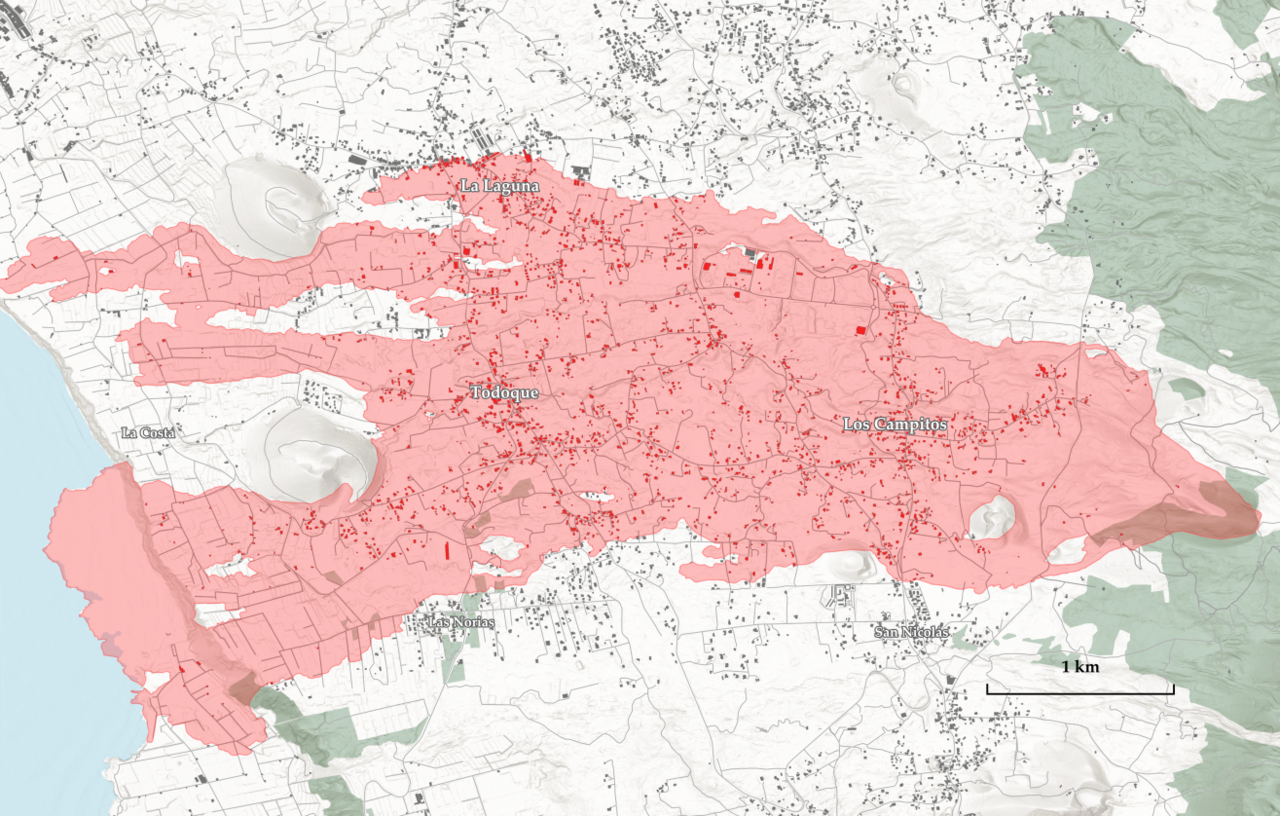
Há quatro anos terminou a erupção nas Canárias...
19 de septiembre
Postado por Fernando Martins às 00:04 0 comentários
Marcadores: Cumbre Vieja, Ilhas Canárias, La Palma, sismo, sismos vulcânicos, vulcanismo, Vulcanologia, Vulcão
quinta-feira, dezembro 18, 2025
O vulcanólogo David A. Johnston nasceu há 76 anos...
David Alexander Johnston (Chicago, December 18, 1949 – Mount St. Helens, May 18, 1980) was an American United States Geological Survey (USGS) volcanologist who was killed by the 1980 eruption of Mount St. Helens in the U.S. state of Washington. A principal scientist on the USGS monitoring team, Johnston was killed in the eruption while manning an observation post six miles (10 km) away on the morning of May 18, 1980. He was the first to report the eruption, transmitting "Vancouver! Vancouver! This is it!" before he was swept away by a lateral blast; despite a thorough search, Johnston's body was never found, but state highway workers discovered remnants of his USGS trailer in 1993.
Johnston's career took him across the United States, where he studied the Augustine Volcano in Alaska, the San Juan volcanic field in Colorado, and long-extinct volcanoes in Michigan. Johnston was a meticulous and talented scientist, known for his analyses of volcanic gases and their relationship to eruptions. This, along with his enthusiasm and positive attitude, made him liked and respected by many co-workers. After his death, other scientists lauded his character, both verbally and in dedications and letters. Johnston felt scientists must do what is necessary, including taking risks, to help protect the public from natural disasters. His work, and that of fellow USGS scientists, convinced authorities to close Mount St. Helens to the public before the 1980 eruption. They maintained the closure despite heavy pressure to re-open the area; their work saved thousands of lives. His story became intertwined with the popular image of volcanic eruptions and their threat to society, and a part of volcanology's history. To date, Johnston, along with his mentee Harry Glicken, is one of two American volcanologists known to have died in a volcanic eruption.
in Wikipédia
Postado por Fernando Martins às 07:06 0 comentários
Marcadores: David A. Johnston, erupção pliniana, lahar, Monte Santa Helena, nuvem ardente, sismo, vulcanismo, Vulcanologia, Vulcão
quinta-feira, novembro 13, 2025
Hoje foi dia de recordar o início da agonia de Omayra Sánchez...
Postado por Fernando Martins às 04:00 0 comentários
Marcadores: Armero, Colômbia, lahar, Nevado del Ruiz, Omayra Sánchez, Tragédia de Armero, vulcanismo
A erupção do vulcão Nevado del Ruiz matou vinte e três mil pessoas, em Armero, há quarenta anos...
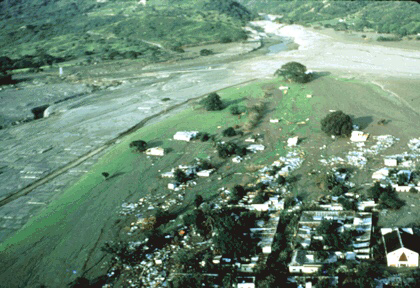
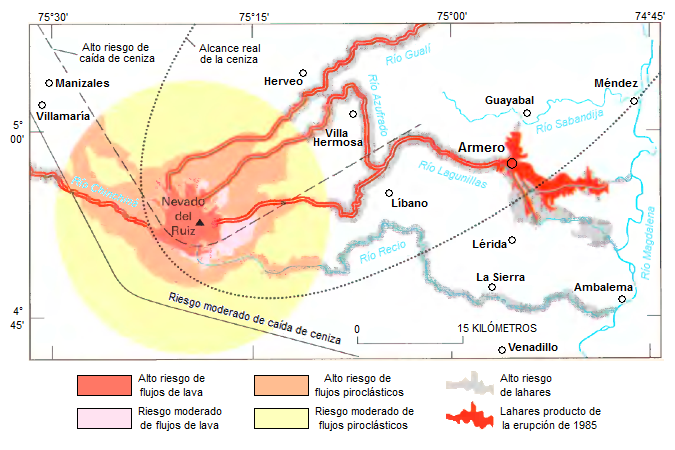
Armero é o nome de uma antiga cidade da Colômbia, no departamento de Tolima, sepultada devido à erupção do vulcão Nevado del Ruiz, nos Andes, que deu origem a um lahar que transportou lama e rochas que, nalguns locais, chegou a formar uma camada com 104 metros de espessura. Isto sucedeu na manhã do dia 13 de novembro de 1985.
Provocou a morte da quase totalidade da população e os poucos sobreviventes fugiram antes do acidente, vivendo hoje em cidades próximas. O resto, cerca de 23.000 pessoas, jaz debaixo das ruínas, tal como sucedeu em Pompeia e Herculano. O mais triste é que a população da cidade podia ter sido avisada, na noite anterior, do perigo, mas o presidente da câmara, não querendo assustar as pessoas, não o fez e deu-se a tragédia.
Omaira Sanchez
Esta adolescente da cidade de Armero, de 13 anos, que caiu no meio das lamas e nos escombros, agonizou durante 60 horas e morreu, vítima de gangrena gasosa, convertendo-se no símbolo mundial de uma das piores tragédias ocasionada por um vulcão no século XX; durante o tempo que sobreviveu falou com jornalistas e enviou, constantemente, uma mensagem de fé e esperança. As suas fotos e filmes correram o mundo inteiro.
Postado por Fernando Martins às 00:40 0 comentários
Marcadores: Armero, Colômbia, lahar, Nevado del Ruiz, Omaira Sanchez, Omayra Sánchez, Tragédia de Armero, vulcanismo
sexta-feira, outubro 10, 2025
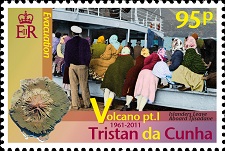
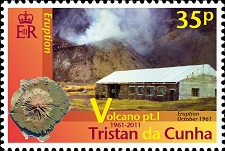
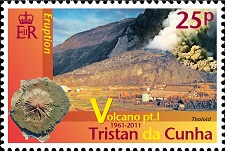
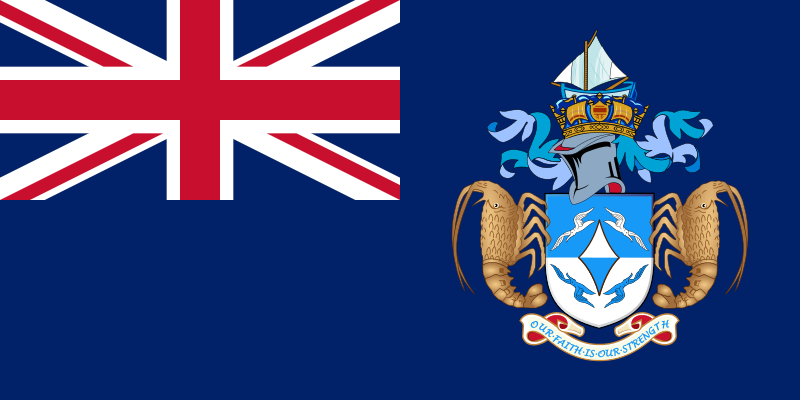
Há 64 anos uma erupção vulcânica provocou a evacuação da ilha de Tristão da Cunha...
Postado por Fernando Martins às 06:40 0 comentários
Marcadores: erupção, evacuação, Tristão da Cunha, vulcanismo, Vulcão
sexta-feira, setembro 19, 2025
Há quatro anos começou uma erupção nas Canárias...
19 de septiembre
Postado por Fernando Martins às 04:00 0 comentários
Marcadores: Cumbre Vieja, Ilhas Canárias, La Palma, sismo, sismos vulcânicos, vulcanismo, Vulcanologia, Vulcão, vulcão de Tajogaite
sexta-feira, agosto 22, 2025
Já terminou a nona erupção do vulcão Grindavik, na Islândia...
The eruption observed from the Icelandic Coast Guard’s helicopter on 16 July 2025
On 16 July 2025 at 3:54 UTC, nearly three hours after a swarm of 4–6 km deep earthquakes exposed a south-north dike beneath the crater row, the ninth eruption broke out just south-east of Litla‑Skógfell. The initial fissure, measuring 700–1,000 m, lengthened to roughly 2.4 km within eight hours. A parallel 500 m crack and advancing pāhoehoe flows expanded the lava field to over 3.2 km2, as confirmed by ICEYE satellite imagery. Within 24 hours, the fissure fragmented into 10–12 active cones. By 19 July it had consolidated into about two or three cones and to a single cone by 22 July. As of 23 July, the lava field had expanded to 3.3 km2 in area and 26.8 million m3 in volume. As in the February 2024 and May–June 2024 eruptions, this eruption interacted with groundwater, violently ejecting grey ash and smoke into the air in certain areas. Because earlier models had predicted the next eruption in autumn 2025, this mid‑July event caught volcanologists by surprise.
An evacuation was carried out in the area, affecting approximately 200 people at the Blue Lagoon and over 100 residents and visitors in the town of Grindavík, including around 20 to 30 campers at a local campsite. Two United Airlines aircraft headed for Keflavík Airport returned to their points of departure on the airline’s own initiative, without having received any specific advisories or instructions from Icelandic air traffic control. Access to the volcano is currently permitted, and conditions for visiting the eruption are considered the most favorable since the Fagradalsfjall eruptive series of 2021–2023. The location of the eruption, combined with the availability of parking facilities along the peninsula’s south coast, attracted large numbers of tourists and other visitors, resulting in full parking lots in the area. Some people were even seen walking on the recently cooled lava, most of them foreign tourists. This behaviour was also frequently observed during the previous eruptive series, and the Icelandic Meteorological Office warns that it is "life‑threatening", as the thin surface crust can collapse without warning, exposing molten lava beneath. The eruption did not cause any damage to infrastructure in the surrounding area.
Warnings were issued shortly after the onset of the eruption due to volcanic gas, and the highest sulfur dioxide (SO₂) levels were recorded in Njarðvík just a few hours after the eruption began, peaking at 6,284 µg/m³ (2,398.21 ppbv). During the first days, the eruption released a sulfur dioxide-rich plume over Reykjanesbær and into the Capital Region, where sulfur dioxide levels also reached a local record high since volcanic activity began on the Reykjanes Peninsula - exceeding 2,000 µg/m3 (763.28 ppb), compared to typical readings below 5 µg/m3 (1.91 ppb). About a week into the eruption, sulfur dioxide emissions from the fissure vent were around 100 kg/s but dropped significantly the following day to 25–44 kg/s. Within two weeks, volcanic gas emissions from the eruption led to a mild but visible haze of sulfate particles (SO₄) across the country, formed as sulfur dioxide reacted with moisture and oxygen in the atmosphere. This led to an increase and temporary burden on clinics and local health centres, as people experiencing various symptoms sought medical advice. Despite the situation, specialists emphasize that the pollution is not a "poison gas". In early August, volcanic tremor and explosive activity declined, coming to a complete halt on 4 August. On 5 August, the eruption was declared over, as police-operated drone imagery confirmed the absence of activity within the craters.
in Wikipédia
Postado por Fernando Martins às 23:26 0 comentários
Marcadores: Energia Geotérmica, erupção, Grindavík, Islândia, Lagoa Azul, Reykjanes, vulcanismo, vulcanismo fissural, Vulcão
quarta-feira, julho 30, 2025
Mais chatices na península de Kamtchatka...
Postado por Fernando Martins às 14:19 0 comentários
Marcadores: Kamtchatka, Rússia, sismo, tsunami, vulcanismo, vulcão Klyuchevskoy
domingo, maio 18, 2025
David A. Johnston morreu há quarenta e cinco anos... (Vancouver! Vancouver! This is it!)
David Alexander Johnston (Chicago, December 18, 1949 – Mount St. Helens, May 18, 1980) was an American United States Geological Survey (USGS) volcanologist who was killed by the 1980 eruption of Mount St. Helens in the U.S. state of Washington. A principal scientist on the USGS monitoring team, Johnston was killed in the eruption while manning an observation post six miles (10 km) away on the morning of May 18, 1980. He was the first to report the eruption, transmitting "Vancouver! Vancouver! This is it!" before he was swept away by a lateral blast; despite a thorough search, Johnston's body was never found, but state highway workers discovered remnants of his USGS trailer in 1993.
Johnston's career took him across the United States, where he studied the Augustine Volcano in Alaska, the San Juan volcanic field in Colorado, and long-extinct volcanoes in Michigan. Johnston was a meticulous and talented scientist, known for his analyses of volcanic gases and their relationship to eruptions. This, along with his enthusiasm and positive attitude, made him liked and respected by many co-workers. After his death, other scientists lauded his character, both verbally and in dedications and letters. Johnston felt scientists must do what is necessary, including taking risks, to help protect the public from natural disasters. His work, and that of fellow USGS scientists, convinced authorities to close Mount St. Helens to the public before the 1980 eruption. They maintained the closure despite heavy pressure to re-open the area; their work saved thousands of lives. His story became intertwined with the popular image of volcanic eruptions and their threat to society, and a part of volcanology's history. To date, Johnston, along with his mentee Harry Glicken, is one of two American volcanologists known to have died in a volcanic eruption.
in Wikipédia
Postado por Pedro Luna às 04:50 0 comentários
Marcadores: David A. Johnston, erupção pliniana, lahar, Monte Santa Helena, nuvem ardente, sismo, vulcanismo, Vulcanologia, Vulcão
O vulcão do Monte Santa Helena teve uma erupção há 45 anos...
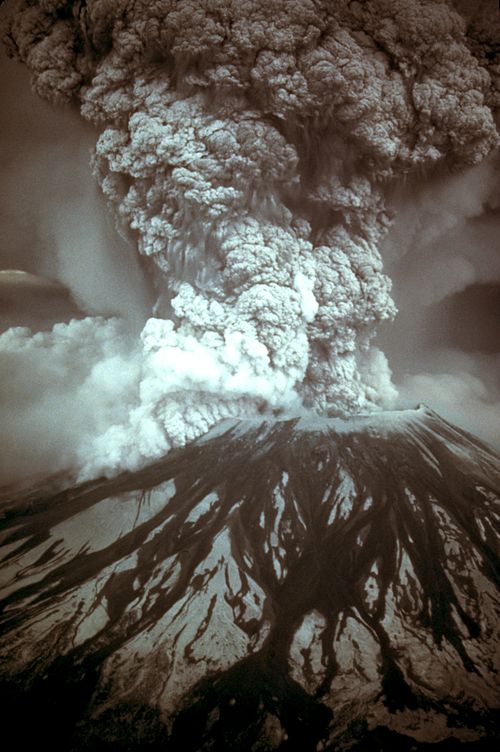
In 1980, a major volcanic eruption occurred at Mount St. Helens, a volcano located in Washington, in the United States. The eruption (which was a VEI 5 event) was the only significant one to occur in the contiguous 48 US states since the 1915 eruption of Lassen Peak in California. The eruption was preceded by a two-month series of earthquakes and steam-venting episodes, caused by an injection of magma at shallow depth below the volcano that created a huge bulge and a fracture system on Mount St. Helens' north slope.
Prior to the eruption, USGS
scientists convinced local authorities to close Mount St. Helens to the
general public and to maintain the closure in spite of pressure to
re-open it; their work saved thousands of lives. An earthquake at
8:32:17 a.m. PDT (UTC−7) on Sunday, May 18, 1980, caused the entire weakened north face to slide away, suddenly exposing the partly molten, gas- and steam-rich rock in the volcano to lower pressure. The rock responded by exploding a hot mix of lava and pulverized older rock toward Spirit Lake so fast that it overtook the avalanching north face.
An eruption column rose 80,000 feet (24,400 m) into the atmosphere and deposited ash in 11 U.S. states. At the same time, snow, ice and several entire glaciers on the volcano melted, forming a series of large lahars (volcanic mudslides) that reached as far as the Columbia River,
nearly 50 miles (80 km) to the southwest. Less severe outbursts
continued into the next day only to be followed by other large but not
as destructive eruptions later in 1980.
Fifty-seven people (including innkeeper Harry R. Truman, photographer Reid Blackburn and geologist David A. Johnston)
perished. Hundreds of square miles were reduced to wasteland causing
over a billion U.S. dollars in damage ($2.74 billion in 2011 dollars),
thousands of game animals killed, and Mount St. Helens was left with a
crater on its north side. At the time of the eruption, the summit of the
volcano was owned by the Burlington Northern Railroad, but afterward the land passed to the United States Forest Service. The area was later preserved, as it was, in the Mount St. Helens National Volcanic Monument.
Postado por Fernando Martins às 00:45 0 comentários
Marcadores: erupção pliniana, lahar, Monte Santa Helena, nuvem ardente, sismo, vulcanismo, Vulcão
sábado, abril 26, 2025
Christian Leopold Freiherr von Buch, geólogo e paleontólogo alemão, nasceu há 251 anos
Postado por Fernando Martins às 02:51 0 comentários
Marcadores: Alemanha, Christian Leopold Freiherr von Buch, estratigrafia, Fósseis, Jurássico, Paleontologia, vulcanismo
quarta-feira, abril 02, 2025
Começou a oitava erupção do vulcão Grindavik, na Islândia...
![]()
Map of volcanic systems on the Reykjanes Peninsula. Grindavík is at the south-western end of the Eldvörp–Svartsengi system (marked here as 2)
April 2025 eruption
On 1 April 2025, the eighth eruption in an ongoing volcanic series began at 9:43 UTC, following a series of earthquakes that lasted for few hours. The eruption breached the defensive barriers around Grindavík and prompted the evacuation of the town. The eruption commenced just to the north of protective barriers constructed close to Grindavík. The created orange-red fissure, which expelled smoke and lava, expanded southward rapidly. By roughly 10:00 UTC, the fissure had already penetrated through the defensive walls north of the town, triggering warning sirens throughout the area.
Preceding the eruption, the Icelandic Meteorological Office (IMO) detected an "earthquake swarm" beginning at approximately 6:30 AM WET centered on the Sundhnúkur crater row. Seismic signals indicated stronger activity than earlier recent events, suggesting substantial magma movement beneath the surface.
By 12:35 UTC, the primary fissure had expanded to an estimated length of 1,200 meters. Additionally, a second fissure opened between Grindavík and its protective barriers. The IMO reported that a hot water pipeline broke in northern Grindavík, confirming that significant fault movements had occurred within the town's boundaries. Later in the afternoon, although volcanic activity appeared to diminish significantly, seismic activity continued in the area.
![]()
Annotated view of area involved in 2023 seismic disturbances
in Wikipédia
Postado por Fernando Martins às 13:23 0 comentários
Marcadores: Energia Geotérmica, erupção, Grindavík, Islândia, Lagoa Azul, Reykjanes, vulcanismo, vulcanismo fissural, Vulcão
segunda-feira, março 17, 2025
Uma erupção do vulcão Agung, na ilha de Bali, matou milhares de pessoas há sessenta e dois anos
Postado por Fernando Martins às 06:20 0 comentários
Marcadores: Bali, Indonésia, Monte Agung, nuvens ardentes, vulcanismo
segunda-feira, março 10, 2025
O geólogo George Julius Poulett Scrope nasceu há 228 anos
Postado por Fernando Martins às 02:28 0 comentários
Marcadores: Geologia, George Julius Poulett Scrope, Vesúvio, vulcanismo
sábado, março 01, 2025
O Parque Nacional de Yellowstone faz hoje 153 anos

Postado por Fernando Martins às 01:53 0 comentários
Marcadores: caldeiras, campo hidrotermal, Ecologia, geyser, Old Faithful, Parque Nacional de Yellowstone, supervulcão, vulcanismo, vulcanismo secundário


![This image courtesy of the US Geological Survey (USGS) shows the epicenter of an 8.7 earthquake that hit off of Russia's far east on July 30, 2025. One of the strongest earthquakes ever recorded struck Russia's sparsely populated Far East early July 29, 2025, causing tsunamis of up to four metres (12 feet) across the Pacific and sparking evacuations from Hawaii to Japan. The magnitude 8.8 quake struck at 8:24 am (2304 GMT Tuesday) off Petropavlovsk on Russia's remote Kamchatka peninsula and was one of the 10 biggest recorded, according to the USGS. (Photo by Handout / US Geological Survey / AFP) / RESTRICTED TO EDITORIAL USE - MANDATORY CREDIT "AFP PHOTO / HANDOUT/ US Geological Survey (USGS) " - HANDOUT - NO MARKETING NO ADVERTISING CAMPAIGNS - DISTRIBUTED AS A SERVICE TO CLIENTS / The erroneous mention[s] appearing in the metadata of this image by US Geological Survey (USGS) has been modified in AFP systems in the following manner: [Handout image courtesy by US Geological Survey (USGS)] instead of [Augustin Paullier]. Please immediately remove the erroneous mention[s] from all your online services and delete it (them) from your servers. If you have been authorized by AFP to distribute it (them) to third parties, please ensure that the same actions are carried out by them. Failure to promptly comply with these instructions will entail liability on your part for any continued or post notification usage. Therefore we thank you very much for all your attention and prompt action. We are sorry for the inconvenience this notification may cause and remain at your disposal for any further information you may require.](https://veja.abril.com.br/wp-content/uploads/2025/07/000_689U3G3.jpg?quality=70&strip=info&w=1280&h=720&crop=1)