sexta-feira, outubro 10, 2025
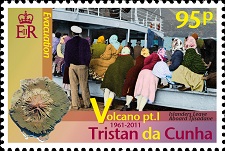
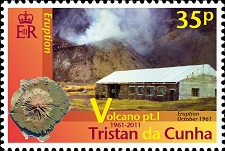
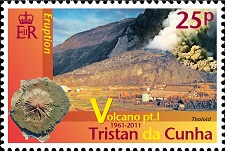
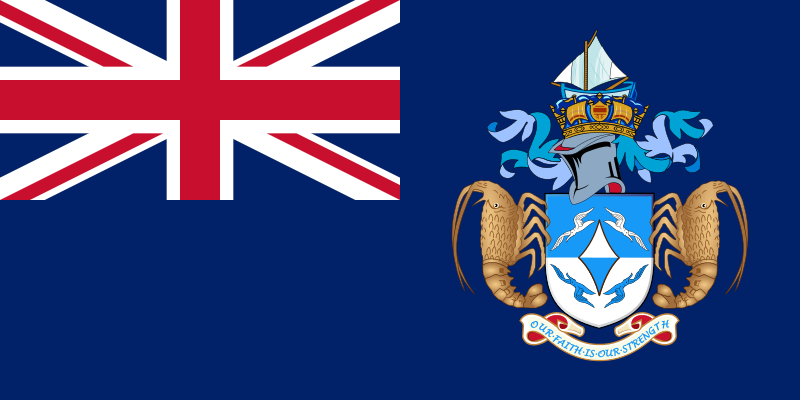
Há 64 anos uma erupção vulcânica provocou a evacuação da ilha de Tristão da Cunha...
Postado por
Fernando Martins
às
06:40
0
bocas
Marcadores: erupção, evacuação, Tristão da Cunha, vulcanismo, Vulcão
sexta-feira, setembro 19, 2025
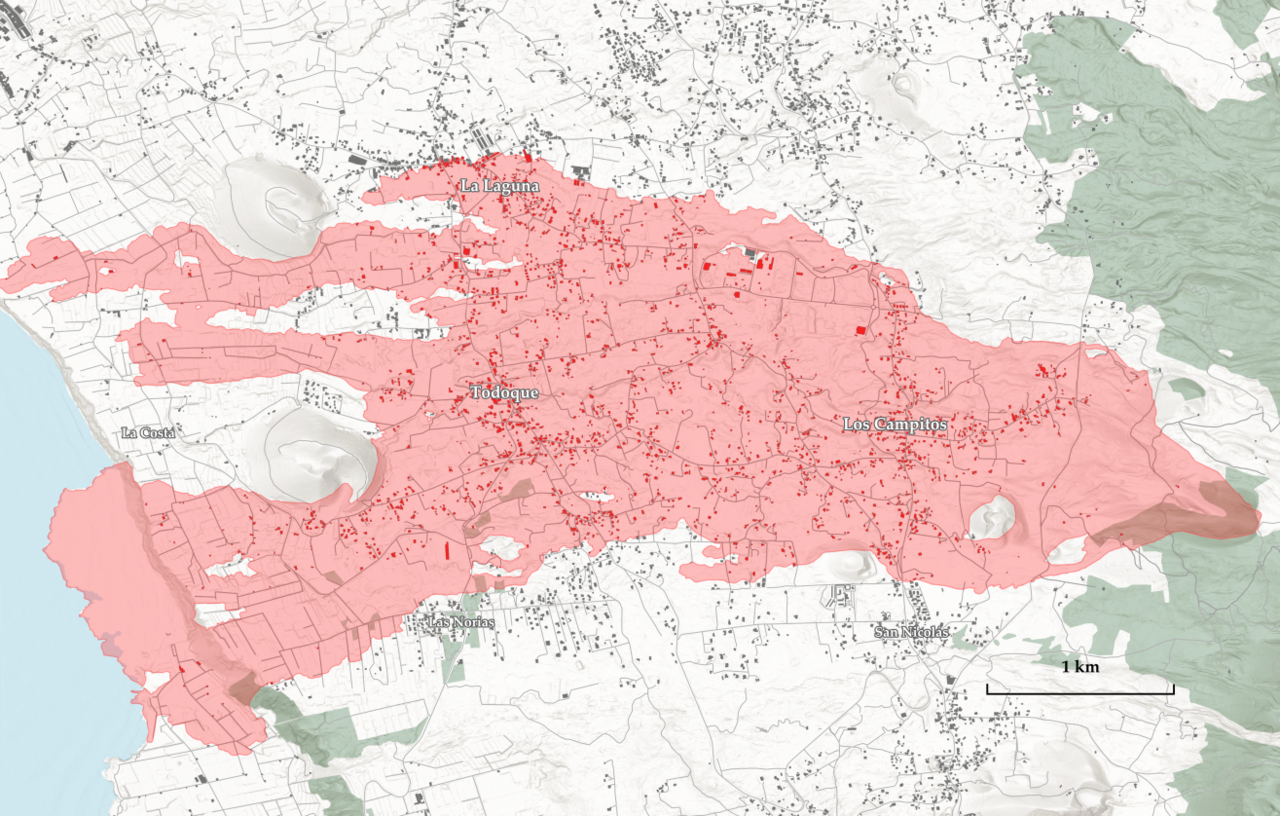
Há quatro anos começou uma erupção nas Canárias...
19 de septiembre
Postado por
Fernando Martins
às
04:00
0
bocas
Marcadores: Cumbre Vieja, Ilhas Canárias, La Palma, sismo, sismos vulcânicos, vulcanismo, Vulcanologia, Vulcão, vulcão de Tajogaite
domingo, agosto 24, 2025
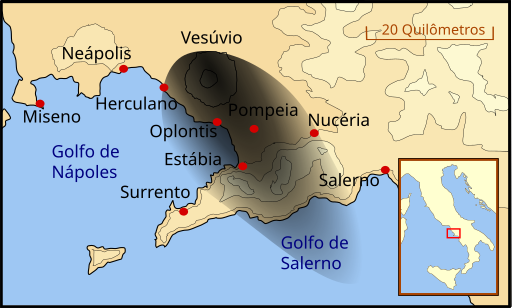
A cidade de Pompeia foi destruida pelo Vesúvio há 1946 anos...
Postado por
Fernando Martins
às
19:46
0
bocas
Marcadores: cinza vulcânica, erupção, Império Romano, Itália, nuvens ardentes, Pompeia, Vesúvio, Vulcanologia, Vulcão
sexta-feira, agosto 22, 2025
Já terminou a nona erupção do vulcão Grindavik, na Islândia...
The eruption observed from the Icelandic Coast Guard’s helicopter on 16 July 2025
On 16 July 2025 at 3:54 UTC, nearly three hours after a swarm of 4–6 km deep earthquakes exposed a south-north dike beneath the crater row, the ninth eruption broke out just south-east of Litla‑Skógfell. The initial fissure, measuring 700–1,000 m, lengthened to roughly 2.4 km within eight hours. A parallel 500 m crack and advancing pāhoehoe flows expanded the lava field to over 3.2 km2, as confirmed by ICEYE satellite imagery. Within 24 hours, the fissure fragmented into 10–12 active cones. By 19 July it had consolidated into about two or three cones and to a single cone by 22 July. As of 23 July, the lava field had expanded to 3.3 km2 in area and 26.8 million m3 in volume. As in the February 2024 and May–June 2024 eruptions, this eruption interacted with groundwater, violently ejecting grey ash and smoke into the air in certain areas. Because earlier models had predicted the next eruption in autumn 2025, this mid‑July event caught volcanologists by surprise.
An evacuation was carried out in the area, affecting approximately 200 people at the Blue Lagoon and over 100 residents and visitors in the town of Grindavík, including around 20 to 30 campers at a local campsite. Two United Airlines aircraft headed for Keflavík Airport returned to their points of departure on the airline’s own initiative, without having received any specific advisories or instructions from Icelandic air traffic control. Access to the volcano is currently permitted, and conditions for visiting the eruption are considered the most favorable since the Fagradalsfjall eruptive series of 2021–2023. The location of the eruption, combined with the availability of parking facilities along the peninsula’s south coast, attracted large numbers of tourists and other visitors, resulting in full parking lots in the area. Some people were even seen walking on the recently cooled lava, most of them foreign tourists. This behaviour was also frequently observed during the previous eruptive series, and the Icelandic Meteorological Office warns that it is "life‑threatening", as the thin surface crust can collapse without warning, exposing molten lava beneath. The eruption did not cause any damage to infrastructure in the surrounding area.
Warnings were issued shortly after the onset of the eruption due to volcanic gas, and the highest sulfur dioxide (SO₂) levels were recorded in Njarðvík just a few hours after the eruption began, peaking at 6,284 µg/m³ (2,398.21 ppbv). During the first days, the eruption released a sulfur dioxide-rich plume over Reykjanesbær and into the Capital Region, where sulfur dioxide levels also reached a local record high since volcanic activity began on the Reykjanes Peninsula - exceeding 2,000 µg/m3 (763.28 ppb), compared to typical readings below 5 µg/m3 (1.91 ppb). About a week into the eruption, sulfur dioxide emissions from the fissure vent were around 100 kg/s but dropped significantly the following day to 25–44 kg/s. Within two weeks, volcanic gas emissions from the eruption led to a mild but visible haze of sulfate particles (SO₄) across the country, formed as sulfur dioxide reacted with moisture and oxygen in the atmosphere. This led to an increase and temporary burden on clinics and local health centres, as people experiencing various symptoms sought medical advice. Despite the situation, specialists emphasize that the pollution is not a "poison gas". In early August, volcanic tremor and explosive activity declined, coming to a complete halt on 4 August. On 5 August, the eruption was declared over, as police-operated drone imagery confirmed the absence of activity within the craters.
in Wikipédia
Postado por
Fernando Martins
às
23:26
0
bocas
Marcadores: Energia Geotérmica, erupção, Grindavík, Islândia, Lagoa Azul, Reykjanes, vulcanismo, vulcanismo fissural, Vulcão
domingo, junho 15, 2025
A erupção pliniana do Pinatubo, que afetou significativamente o clima da Terra, começou há 34 anos
Postado por
Fernando Martins
às
00:34
0
bocas
Marcadores: Alterações climáticas, erupção pliniana, Filipinas, Pinatubo, Vulcão
terça-feira, junho 03, 2025
Maurice e Katia, não vos esqueceremos...
Postado por
Fernando Martins
às
22:22
0
bocas
Marcadores: França, Japão, Katia Krafft, Krafft, Maurice Krafft, Unzen, Vulcanologia, Vulcão
Katia e Maurice Kraft, um casal de vulcanólogos, morreram na erupção do vulcão Unzen há 34 anos...
Postado por
Fernando Martins
às
00:34
0
bocas
Marcadores: França, Japão, Katia Krafft, Krafft, Maurice Krafft, Unzen, Vulcanologia, Vulcão
domingo, maio 18, 2025
David A. Johnston morreu há quarenta e cinco anos... (Vancouver! Vancouver! This is it!)
David Alexander Johnston (Chicago, December 18, 1949 – Mount St. Helens, May 18, 1980) was an American United States Geological Survey (USGS) volcanologist who was killed by the 1980 eruption of Mount St. Helens in the U.S. state of Washington. A principal scientist on the USGS monitoring team, Johnston was killed in the eruption while manning an observation post six miles (10 km) away on the morning of May 18, 1980. He was the first to report the eruption, transmitting "Vancouver! Vancouver! This is it!" before he was swept away by a lateral blast; despite a thorough search, Johnston's body was never found, but state highway workers discovered remnants of his USGS trailer in 1993.
Johnston's career took him across the United States, where he studied the Augustine Volcano in Alaska, the San Juan volcanic field in Colorado, and long-extinct volcanoes in Michigan. Johnston was a meticulous and talented scientist, known for his analyses of volcanic gases and their relationship to eruptions. This, along with his enthusiasm and positive attitude, made him liked and respected by many co-workers. After his death, other scientists lauded his character, both verbally and in dedications and letters. Johnston felt scientists must do what is necessary, including taking risks, to help protect the public from natural disasters. His work, and that of fellow USGS scientists, convinced authorities to close Mount St. Helens to the public before the 1980 eruption. They maintained the closure despite heavy pressure to re-open the area; their work saved thousands of lives. His story became intertwined with the popular image of volcanic eruptions and their threat to society, and a part of volcanology's history. To date, Johnston, along with his mentee Harry Glicken, is one of two American volcanologists known to have died in a volcanic eruption.
in Wikipédia
Postado por
Pedro Luna
às
04:50
0
bocas
Marcadores: David A. Johnston, erupção pliniana, lahar, Monte Santa Helena, nuvem ardente, sismo, vulcanismo, Vulcanologia, Vulcão
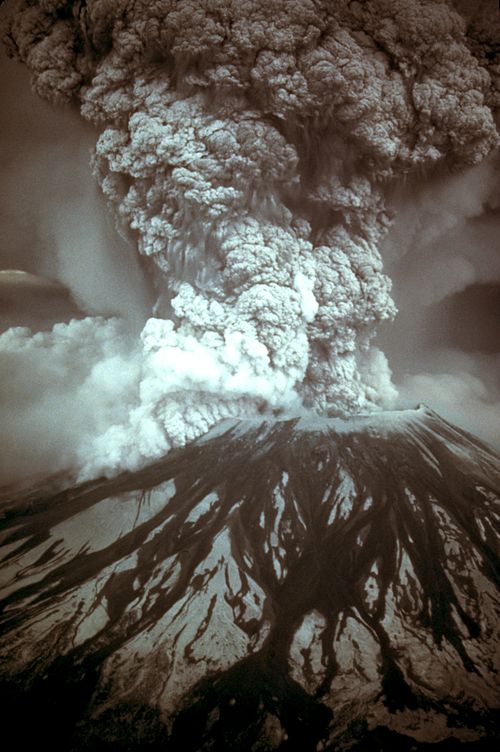
O vulcão do Monte Santa Helena teve uma erupção há 45 anos...
In 1980, a major volcanic eruption occurred at Mount St. Helens, a volcano located in Washington, in the United States. The eruption (which was a VEI 5 event) was the only significant one to occur in the contiguous 48 US states since the 1915 eruption of Lassen Peak in California. The eruption was preceded by a two-month series of earthquakes and steam-venting episodes, caused by an injection of magma at shallow depth below the volcano that created a huge bulge and a fracture system on Mount St. Helens' north slope.
Prior to the eruption, USGS
scientists convinced local authorities to close Mount St. Helens to the
general public and to maintain the closure in spite of pressure to
re-open it; their work saved thousands of lives. An earthquake at
8:32:17 a.m. PDT (UTC−7) on Sunday, May 18, 1980, caused the entire weakened north face to slide away, suddenly exposing the partly molten, gas- and steam-rich rock in the volcano to lower pressure. The rock responded by exploding a hot mix of lava and pulverized older rock toward Spirit Lake so fast that it overtook the avalanching north face.
An eruption column rose 80,000 feet (24,400 m) into the atmosphere and deposited ash in 11 U.S. states. At the same time, snow, ice and several entire glaciers on the volcano melted, forming a series of large lahars (volcanic mudslides) that reached as far as the Columbia River,
nearly 50 miles (80 km) to the southwest. Less severe outbursts
continued into the next day only to be followed by other large but not
as destructive eruptions later in 1980.
Fifty-seven people (including innkeeper Harry R. Truman, photographer Reid Blackburn and geologist David A. Johnston)
perished. Hundreds of square miles were reduced to wasteland causing
over a billion U.S. dollars in damage ($2.74 billion in 2011 dollars),
thousands of game animals killed, and Mount St. Helens was left with a
crater on its north side. At the time of the eruption, the summit of the
volcano was owned by the Burlington Northern Railroad, but afterward the land passed to the United States Forest Service. The area was later preserved, as it was, in the Mount St. Helens National Volcanic Monument.
Postado por
Fernando Martins
às
00:45
0
bocas
Marcadores: erupção pliniana, lahar, Monte Santa Helena, nuvem ardente, sismo, vulcanismo, Vulcão
segunda-feira, abril 14, 2025
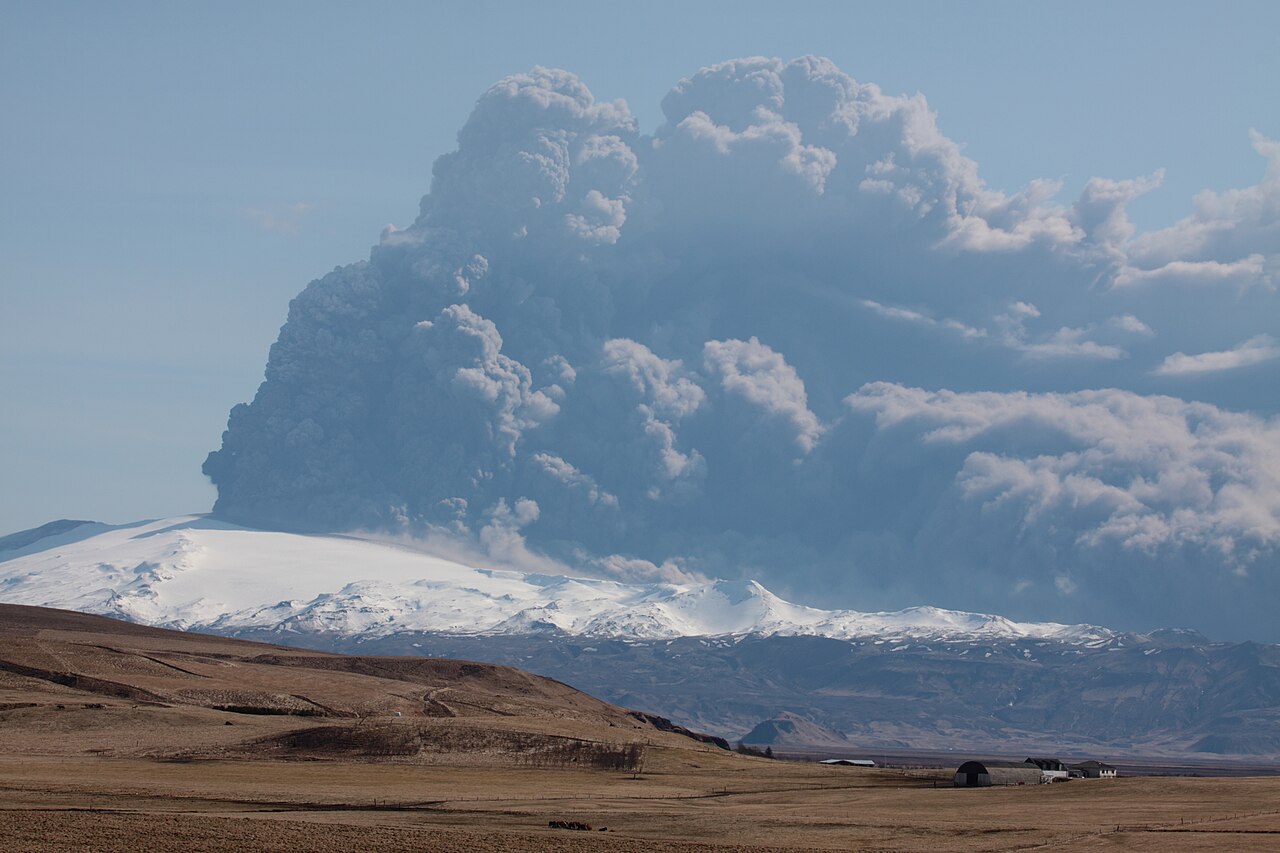
O vulcão Eyjafjallajökull começou a chatear a aviação comercial há 15 anos...
As erupções ocorridas em 2010 no glaciar Eyjafjallajökull foram uma série de grandes eventos vulcânicos que ocorreram em Eyjafjallajökull na Islândia. A atividade sísmica, que se iniciou no final de 2009, deu lugar a uma erupção vulcânica que começou a 20 de março de 2010, colocando o seu Índice de Explosividade Vulcânica em 1. Uma fase da erupção, a 14 de abril de 2010, causou uma paralisação generalizada do transporte aéreo europeu, afetando milhares de voos e causando uma espécie de efeito dominó em todo o mundo.
Em outubro de 2010 as erupções cessaram, segundo declarações de Ármann Höskuldsson, cientista do Instituto de Ciências Terrestres da Islândia, embora a área ainda esteja geotermicamente ativa e ainda haja uma possibilidade de novas erupções no futuro.
Postado por
Fernando Martins
às
00:15
0
bocas
Marcadores: aviação, erupção, Eyjafallajoekull, Islândia, Vulcanologia, Vulcão
quarta-feira, abril 02, 2025
Começou a oitava erupção do vulcão Grindavik, na Islândia...
![]()
Map of volcanic systems on the Reykjanes Peninsula. Grindavík is at the south-western end of the Eldvörp–Svartsengi system (marked here as 2)
April 2025 eruption
On 1 April 2025, the eighth eruption in an ongoing volcanic series began at 9:43 UTC, following a series of earthquakes that lasted for few hours. The eruption breached the defensive barriers around Grindavík and prompted the evacuation of the town. The eruption commenced just to the north of protective barriers constructed close to Grindavík. The created orange-red fissure, which expelled smoke and lava, expanded southward rapidly. By roughly 10:00 UTC, the fissure had already penetrated through the defensive walls north of the town, triggering warning sirens throughout the area.
Preceding the eruption, the Icelandic Meteorological Office (IMO) detected an "earthquake swarm" beginning at approximately 6:30 AM WET centered on the Sundhnúkur crater row. Seismic signals indicated stronger activity than earlier recent events, suggesting substantial magma movement beneath the surface.
By 12:35 UTC, the primary fissure had expanded to an estimated length of 1,200 meters. Additionally, a second fissure opened between Grindavík and its protective barriers. The IMO reported that a hot water pipeline broke in northern Grindavík, confirming that significant fault movements had occurred within the town's boundaries. Later in the afternoon, although volcanic activity appeared to diminish significantly, seismic activity continued in the area.
![]()
Annotated view of area involved in 2023 seismic disturbances
in Wikipédia
Postado por
Fernando Martins
às
13:23
0
bocas
Marcadores: Energia Geotérmica, erupção, Grindavík, Islândia, Lagoa Azul, Reykjanes, vulcanismo, vulcanismo fissural, Vulcão
quinta-feira, fevereiro 20, 2025
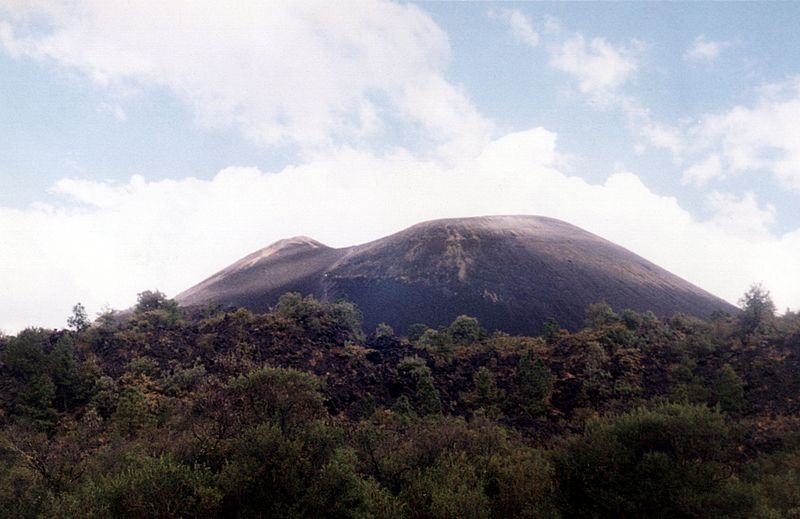
O vulcão Paricutín nasceu há oitenta e dois anos
O primeiro ano do vulcão
Diminuição de atividade
sábado, fevereiro 01, 2025
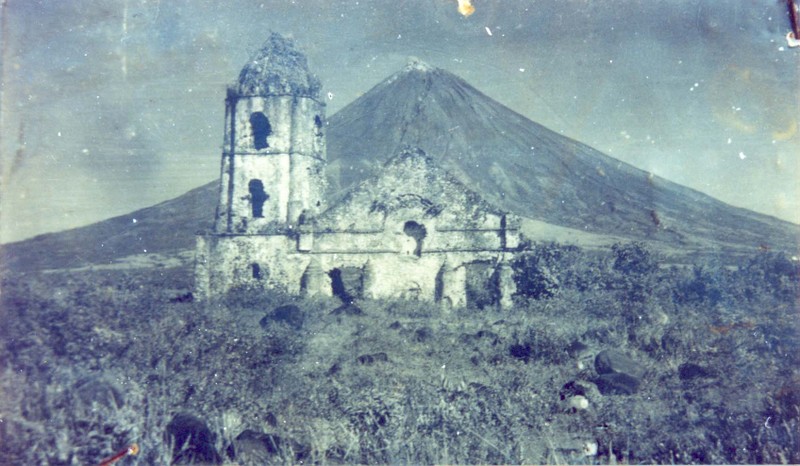
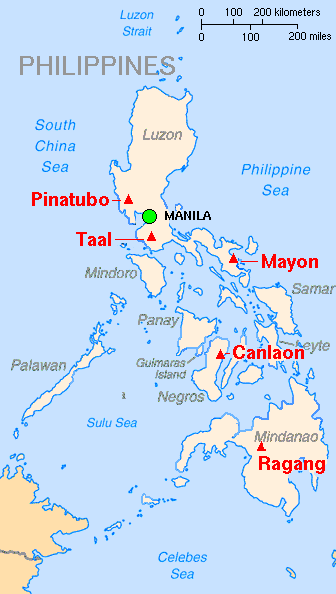
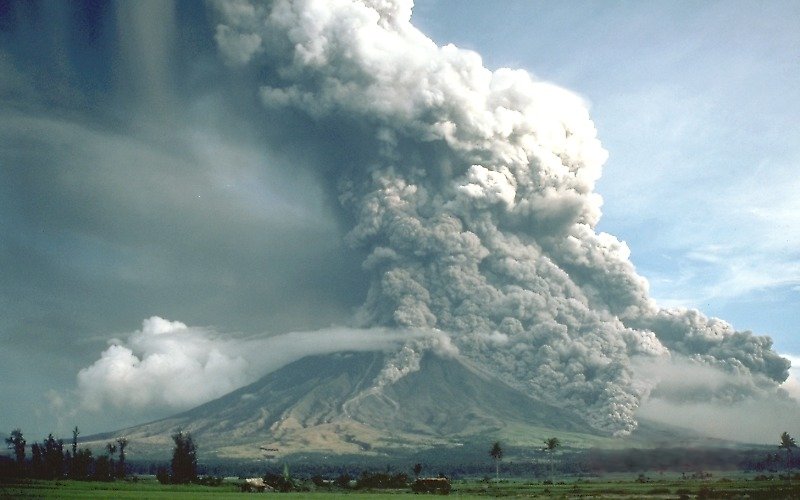
O vulcão Mayon, há 211 anos, matou cerca de 1200 pessoas
O vulcão Mayon é um vulcão nas Filipinas, situado na província de Albay (Bicol). O seu cume com a forma de um cone quase perfeito é considerado como sendo ainda mais belo do que o Monte Fuji, no Japão. Alguns quilómetros a sul do vulcão situa-se a cidade de Legazpi.
Postado por
Fernando Martins
às
02:11
0
bocas
Marcadores: estratovulcão, Filipinas, Mayon, nuvens ardentes, Tectónica de Placas, Vulcão
sexta-feira, janeiro 03, 2025
Às vezes a causa de mudanças climáticas é geológica...
Encontrado o misterioso vulcão que há 200 anos quase destruiu o Mundo

A erupção misteriosa ocorreu no vulcão Zavaritskii, na ilha de Simushir, e criou uma caldeira com 3 km de largura, revelando espetaculares camadas vermelhas, pretas e brancas constituídas por depósitos eruptivos do passado
A identidade do misterioso do vulcão responsável por uma erupção vulcânica gigante que intrigou os cientistas durante quase 200 anos foi finalmente encontrada: foi o vulcão Zavaritskii, na remota e desabitada ilha de Simushir, parte das Ilhas Curilhas.
Em 1831, uma erupção vulcânica maciça lançou gases sulfurosos na atmosfera, refletindo a luz solar e provocando um arrefecimento global de cerca de 1ºC.
Este tempo frio, bem documentado em todo o mundo, levou a quebras de colheitas generalizadas e a fomes devastadoras.
O compositor Felix Mendelssohn chegou mesmo a escrever sobre o tempo catastrófico durante a sua viagem de verão pelos Alpes, em 1831: “Tempo desolador, voltou a chover toda a noite e toda a manhã, está tão frio como no inverno, já há neve profunda nas colinas mais próximas…”
A erupção de 1831 é a mais recente “erupção misteriosa” da Terra. Embora os cientistas soubessem que se tratava de um acontecimento importante que causou alterações climáticas e convulsões sociais, a identidade do vulcão responsável permaneceu desconhecida e ferozmente debatida, até agora.
Num novo estudo, uma equipa liderada por Will Hutchison, investigador da Universidade de St Andrews, analisou os registos do núcleo de gelo do evento de 1831 e identificou uma “correspondência perfeita das impressões digitais” dos depósitos de cinzas.
Os resultados do estudo foram apresentados num artigo publicado a semana passada na revista Proceedings of the National Academy of Sciences.
“Só nos últimos anos é que desenvolvemos a capacidade de extrair fragmentos microscópicos de cinzas de núcleos de gelo polar e efetuar análises químicas detalhadas. São incrivelmente minúsculos, com cerca de um décimo do diâmetro de um cabelo humano”, explica Hutchison num comunicado da universidade.
Hutchison e a sua equipa conseguiram datar com precisão e fazer corresponder os depósitos do núcleo de gelo ao vulcão Zavaritskii, na remota e desabitada ilha de Simushir, parte das Ilhas Curilhas.
Estas ilhas são um território disputado entre a Rússia e o Japão. Atualmente controladas pela Rússia, funcionam como um posto militar estratégico.
Durante a Guerra Fria, num enredo que faz lembrar um filme de Bond, os soviéticos utilizaram Simushir como base secreta de submarinos nucleares, atracando os navios numa cratera vulcânica inundada.
“Analisámos a química do gelo com uma resolução temporal muito elevada. Isto permitiu-nos identificar o momento exato da erupção, na primavera/verão de 1831, confirmar que foi altamente explosiva e depois extrair os pequenos fragmentos de cinzas”, acrescenta Hutchison.
“O momento no laboratório em que analisámos as duas cinzas juntas, uma do vulcão e outra do núcleo de gelo, foi um verdadeiro momento eureka. Não conseguia acreditar que os números eram idênticos”, conta Hutchison.
“Depois disso, passei muito tempo a investigar a idade e a dimensão da erupção nos registos de Kuril para me convencer verdadeiramente de que a correspondência era real“, admite.
Os resultados do estudo permitem identificar as Ilhas Kuril como uma região vulcânica pouco estudada mas extremamente produtiva.
O vulcão responsável pela erupção de 1831 era muito remoto, mas teve um impacto global significativo no clima e consequências graves para as populações humanas.
Identificar as fontes destas erupções misteriosas é crucial, pois permite aos cientistas cartografar e monitorizar as regiões da Terra com maior probabilidade de produzir eventos vulcânicos que alteram o clima.
“Há muitos vulcões como este, o que realça a dificuldade de prever quando ou onde poderá ocorrer a próxima erupção de grande magnitude. Como cientistas e como sociedade, temos de pensar em coordenar a resposta internacional quando ocorrer a próxima grande erupção, como a de 1831”, conclui.
in Wikipédia
Postado por
Fernando Martins
às
18:20
0
bocas
Marcadores: Alterações climáticas, Curilhas, vulcanismo, Vulcão
quarta-feira, dezembro 18, 2024
A sétima erupção do vulcão Grindavik, na Islândia, decorreu de 20 de novembro a 8 de dezembro...
![]()
Eruption visible from Reykjavík on 20 November 2024
On 20 November 2024, the seventh eruption in an ongoing volcanic series began at 23:14 UTC, following a series of small earthquakes that started over 40 minutes earlier. A fissure initially measuring 2 km long formed, extending north-east to 3 km in about 2.5 hours, with lava flowing to both the west and east. The eruption’s lava flow rate was about 1,300 m3/s in the first hours, which was considerably lower than in the August–September eruption 2024. Within the first seven hours, the eruption had spread to nearly 7 km2, and lava quickly approached Route 43 (Grindavíkurvegur), crossing it over five hours after the eruption started. By 11 hours, the lava had reached the Blue Lagoon's parking lot and engulfed it, along with a temporary service building. At that point, the lava was advancing at approximately 100 m per hour. Around 10 million m3 of magma had flowed from the magma chamber in the first hours, about half the volume of the previous eruption. After less than 24 hours, only three craters remained active, with the middle one producing the most significant output.
By the eighth day, the lava field had reached an area of 9.1 km2, with a total volume of 47 million m3 and only one crater active. The rate of lava effusion, while initially declining after the eruption's onset, had stabilised and remained relatively consistent. On the same day, the lava flow rate was measured at approximately 7–8 m3/s, a substantial decline compared to the eruption's first day. The volcanic activity also released an estimated 64–71 kg/s of sulfur dioxide. During its second week, the lava primarily flowed south-eastward, advancing toward Sandhóll [ˈsantˌhou̯tl̥] and Fagradalsfjall. Additionally, the eruption began to stabilise as a balance was reached between the inflow of magma to the reservoir beneath Svartsengi and the effusion of lava at the surface. The sole active crater continued to grow, raising concerns about the potential for structural collapse. By the third week, eruptive activity gradually diminished, accompanied by a steady decline in volcanic tremor measurements.
At the onset of the eruption, authorities described its location as "favourable" because it was initially far from infrastructure. However, the situation changed when the lava flow quickly developed a well-defined channel. This was facilitated by alterations in the landscape caused by previous lava flows, which created conditions conducive to the formation of a robust pathway. As a result, the lava advanced along the northern section of the Svartsengi barrier. The eruption came as a surprise, as the pattern of previous eruptions had led scientists to anticipate the magma intrusion would continue into December 2024. Unlike earlier events, there was no significant increase in seismic activity in the weeks preceding the eruption, suggesting a potential shift in the volcano's behavior. The eruption prompted the evacuation of the Blue Lagoon and more than 50 houses in Grindavík. Authorities instructed people not to come to the area, which continued to be closely monitored for safety. Although around 25 million m3 of magma had accumulated in a shallow chamber at a depth of roughly 5 km beneath Svartsengi prior to the eruption, nearly 50 million m3 of lava have been expelled onto the surface. This discrepancy is attributed to magma being sourced from a deeper chamber, with equilibrium gradually forming between magma inflow and outflow. As magma begins to accumulate again in the shallow chamber, land uplift is expected to resume, likely indicating the preparation for a future eruption. This eruption is currently the second largest in the ongoing eruptive series, with a total volume approximately 16 million m3 less than the August–September 2024 eruption, which remains the largest in the series.
in Wikipédia
Postado por
Fernando Martins
às
20:40
0
bocas
Marcadores: Energia Geotérmica, erupção, Grindavík, Islândia, Lagoa Azul, Reykjanes, vulcanismo, vulcanismo fissural, Vulcão
quinta-feira, outubro 10, 2024
Uma forte erupção provocou a evacuação da ilha de Tristão da Cunha há 63 anos...
Postado por
Fernando Martins
às
06:30
0
bocas
Marcadores: erupção, evacuação, Tristão da Cunha, vulcanismo, Vulcão
quinta-feira, setembro 19, 2024
Há três anos começou uma erupção nas Canárias...!
19 de septiembre
Postado por
Fernando Martins
às
00:03
0
bocas
Marcadores: Cumbre Vieja, Ilhas Canárias, La Palma, sismo, sismos vulcânicos, vulcanismo, Vulcanologia, Vulcão