O Curso de Geologia de 85/90 da Universidade de Coimbra escolheu o nome de Geopedrados quando participou na Queima das Fitas.
Ficou a designação, ficaram muitas pessoas com e sobre a capa intemporal deste nome, agora com oportunidade de partilhar as suas ideias, informações e materiais sobre Geologia, Paleontologia, Mineralogia, Vulcanologia/Sismologia, Ambiente, Energia, Biologia, Astronomia, Ensino, Fotografia, Humor, Música, Cultura, Coimbra e AAC, para fins de ensino e educação.
Serenidade És Minha (À Memória de Fernando Pessoa)
Vem, serenidade! Vem cobrir a longa fadiga dos homens, este antigo desejo de nunca ser feliz a não ser pela dupla humidade das bocas.
Vem, serenidade! Faz com que os beijos cheguem à altura dos ombros e com que os ombros subam à altura dos lábios, faz com que os lábios cheguem à altura dos beijos. Carrega para a cama dos desempregados todas as coisas verdes, todas as coisas vis fechadas no cofre das águas: os corais, as anémonas, os monstros sublunares, as algas, porque um fio de prata lhes enfeita os cabelos.
Vem, serenidade, com o país veloz e virginal das ondas, com o martírio leve dos amantes sem Deus, com o cheiro sensual das pernas no cinema, com o vinho e as uvas e o frémito das virgens, com o macio ventre das mulheres violadas, com os filhos que os pais amaldiçoam, com as lanternas postas à beira dos abismos, e os segredos e os ninhos e o feno e as procissões sem padre, sem anjos e, contudo com Deus molhando os olhos e as esperanças dos pobres.
Vem, serenidade, com a paz e a guerra derrubar as selvagens florestas do instinto.
Vem, e levanta palácios na sombra. Tem a paciência de quem deixa entre os lábios um espaço absoluto.
Vem, e desponta, oriunda dos mares, orquídea fresca das noites vagabundas, serena espécie de contentamento, surpresa, plenitude.
Vem dos prédios sem almas e sem luzes, dos números irreais de todas as semanas, dos caixeiros sem cor e sem família, das flores que rebentam nas mãos dos namorados dos bancos que os jardins afogam no silêncio, das jarras que os marujos trazem sempre da China, dos aventais vermelhos com que as mulheres esperam a chegada da força e da vertigem.
Vem, serenidade, e põe no peito sujo dos ladrões a cruz dos crimes sem cadeia, põe na boca dos pobres o pão que eles precisam, põe nos olhos dos cegos a luz que lhes pertence.
Vem nos bicos dos pés para junto dos berços, para junto das campas dos jovens que morreram, para junto das artérias que servem de campo para o trigo, de mar para os navios.
Vem, serenidade! E do salgado bojo das tuas naus felizes despeja a confiança, a grande confiança. Grande como os teus braços, grande serenidade!
E põe teus pés na terra, e deixa que outras vozes se comovam contigo no Outono, no Inverno, no Verão, na Primavera.
Vem, serenidade, para que se não fale nem da paz nem da guerra nem de Deus, porque foi tudo junto e guardado e levado para a casa dos homens.
Vem, serenidade, vem com a madrugada, vem com os anjos de ouro que fugiram da Lua, com as nuvens que proíbem o céu, vem com o nevoeiro.
Vem com as meretrizes que chamam da janela, o volume dos corpos saciados na cama, as mil aparições do amor nas esquinas, as dívidas que os pais nos pagam em segredo, as costas que os marinheiros levantam quando arrastam o mar pelas ruas.
Vem, serenidade, e lembra-te de nós, que te esperamos há séculos sempre no mesmo sítio, um sítio aonde a morte tem todos os direitos.
Lembra-te da miséria dourada dos meus versos, desta roupa de imagens que me cobre o corpo silencioso, das noites que passei perseguindo uma estrela, do hálito, da fome, da doença, do crime, com que dou vida e morte a mim próprio e aos outros.
Vem, serenidade, e acaba com o vício de plantar roseiras no duro chão dos dias, vicio de beber água com o copo do vinho milagroso do sangue.
Vem, serenidade, não apagues ainda a lâmpada que forra os cantos do meu quarto, o papel com que embrulho meus rios de aventura em que vai navegando o futuro.
Vem, serenidade! E pousa, mais serena que as mãos de minha Mãe, mais húmida que a pele marítima do cais, mais branca que o soluço, o silêncio, a origem, mais livre que uma ave em seu vôo, mais branda que a grávida brandura do papel em que escrevo, mais humana e alegre que o sorriso das noivas, do que a voz dos amigos, do que o sol nas searas.
De manhã, quando as carroças de hortaliça chiam por dentro da lisa e sonolenta tarefa terminada, quando um ramo de flores matinais é uma ofensa ao nosso limitado horizonte, quando os astros entregam ao carteiro surpreendido mais um postal da esperança enigmática, quando os tacões furados pelos relógios podres, pelas tardes por trás das grades e dos muros, pelas convencionais visitas aos enfermos, formam, em densos ângulos de humano desespero, uma nuvem que aumenta a vã periferia que rodeia a cidade, é então que eu te peço como quem pede amor: Vem, serenidade!
Com a medalha, os gestos e os teus olhos azuis, vem, serenidade!
Com as horas maiúsculas do cio, com os músculos inchados da preguiça, vem, serenidade!
Vem, com o perturbante mistério dos cabelos, o riso que não é da boca nem dos dentes mas que se espalha, inteiro, num corpo alucinado de bandeira.
Vem, serenidade, antes que os passos da noite vigilante arranquem as primeiras unhas da madrugada, antes que as ruas cheias de corações de gás se percam no fantástico cenário da cidade, antes que, nos pés dormentes dos pedintes, a cólera lhes acenda brasas nos cinco dedos, a revolta semeie florestas de gritos e a raiva vá partir as amarras diárias.
Vem, serenidade, leva-me num vagão de mercadorias, num convés de algodão e borracha e madeira, na hélice emigrante, na tábua azul dos peixes, na carnívora concha do sono.
Leva-me para longe deste bíblico espaço, desta confusão abúlica dos mitos, deste enorme pulmão de silêncio e vergonha. Longe das sentinelas de mármore que exigem passaporte a quem passa.
A bordo, no porão, conversando com velhos tripulantes descalços, crianças criminosas fugidas à policia, moços contrabandistas, negociantes mouros, emigrados políticos que vão em busca da perdida liberdade, Vem, serenidade, e leva-me contigo. Com ciganos comendo amoras e limões, e música de harmônio, e ciúme, e vinganças, e subindo nos ares o livre e musical facho rubro que une os seios da terra ao Sol.
Vem, serenidade! Os comboios nos esperam. Há famílias inteiras com o jantar na mesa, aguardando que batam, que empurrem, que irrompam pela porta levíssima, e que a porta se abra e por ela se entornem os frutos e a justiça.
Serenidade, eu rezo: Acorda minha Mãe quando ela dorme, quando ela tem no rosto a solidão completa de quem passou a noite perguntando por mim, de quem perdeu de vista o meu destino.
Ajuda-me a cumprir a missão de poeta, a confundir, numa só e lúcida claridade, a palavra esquecida no coração do homem.
Vem, serenidade, e absolve os vencidos, regulariza o trânsito cardíaco dos sonhos e dá-lhes nomes novos, novos ventos, novos portos, novos pulsos.
E recorda comigo o barulho das ondas, as mentiras da fé, os amigos medrosos, os assombros daÍndia imaginada, o espanto aprendiz da nossa fala, ainda nossa, ainda bela, ainda livre destes montes altíssimos que tapam as veias ao Oceano.
Vem, serenidade, e faz que não fiquemos doentes, só de ver que a beleza não nasce dia a dia na terra.
E reúne os pedaços dos espelhos partidos, e não cedas demais ao vislumbre de vermos a nossa idade exacta outra vez paralela ao percurso dos pássaros.
E dá asas ao peso da melancolia, e põe ordem no caos e carne nos espectros, e ensina aos suicidas a volúpia do baile, e enfeitiça os dois corpos quando eles se apertarem, e não apagues nunca o fogo que os consome. o impulso que os coloca, nus e iluminados, no topo das montanhas, no extremo dos mastros na chaminé do sangue.
Serenidade, assiste à multiplicação original do Mundo: Um manto terníssimo de espuma, um ninho de corais, de limos, de cabelos, um universo de algas despidas e retrácteis, um polvo de ternura deliciosa e fresca.
Vem, e compartilha das mais simples paixões, do jogo que jogamos sem parceiro, dos humilhantes nós que a garganta irradia, da suspeita violenta, do inesperado abrigo.
Vem, com teu frio de esquecimento, com tua alucinante e alucinada mão, e põe, no religioso ofício do poema, a alegria, a fé, os milagres, a luz!
Vem, e defende-me da traição dos encontros, do engano na presença de Aquele cuja palavra é silêncio, cujo corpo é de ar, cujo amor é demais absoluto e eterno para ser meu, que o amo.
Para sempre irreal, para sempre obscena, para sempre inocente, Serenidade, és minha.
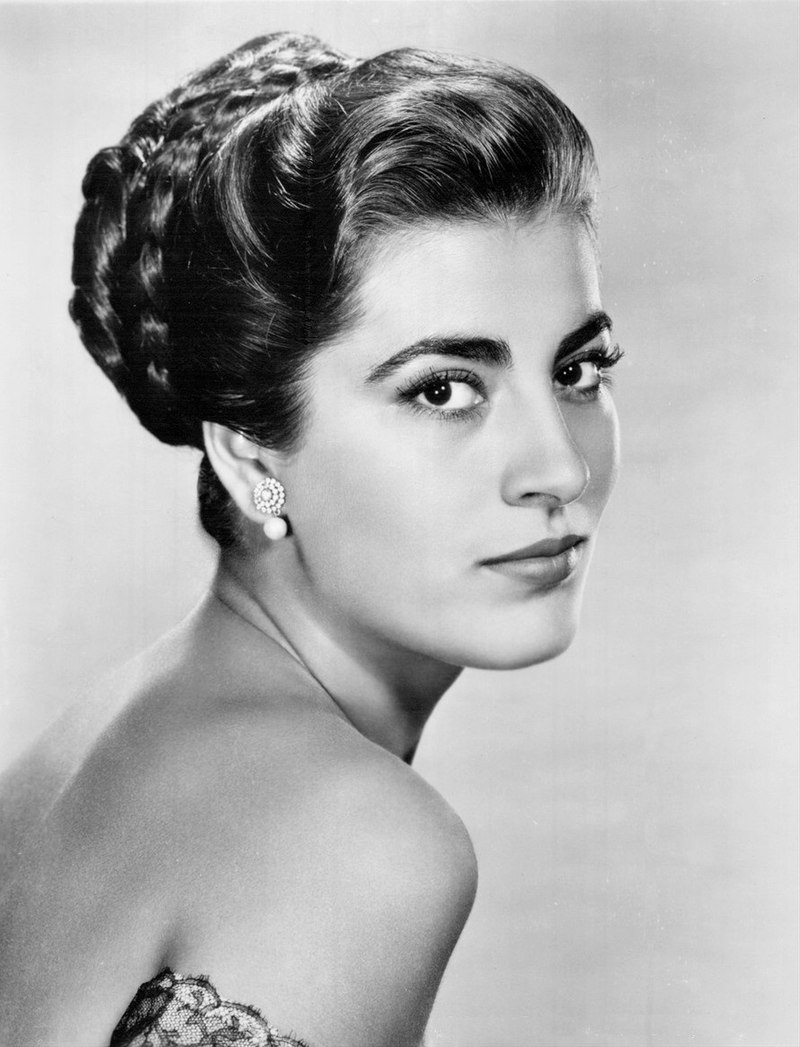
Irene Papas or Irene Pappas; born Eirini Lelekou (Greek: Ειρήνη Λελέκου, romanized: Eiríni Lelékou); Chiliomodi, Corinthia, 3 September 1929 – Chiliomodi, Corinthia, 14 September 2022)
was a Greek actress and singer who starred in over 70 films in a career
spanning more than 50 years. She gained international recognition
through such popular award-winning films as The Guns of Navarone (1961), Zorba the Greek (1964) and Z (1969). She was a powerful protagonist in films including The Trojan Women (1971) and Iphigenia (1977). She played the title roles in Antigone (1961) and Electra (1962). She had a fine singing voice, on display in the 1968 recording Songs of Theodorakis.
In 1978, Papas collaborated with composer Vangelis
in an electronic rendition of eight Greek folk songs, issued as a
record called "Odes". They collaborated again in 1986 for "Rhapsodies",
an electronic rendition of seven Byzantine liturgical hymns.
In
1969 on the RCA label a vinyl LP (INTS 1033) "Irene Papas Songs of
Theodorakis" This has eleven songs all sung in Greek but with sleeve
notes written in English by Michael Cacoyannis.
One of the more unusual moments in Papas' career came in 1970, when she guested on the album 666 by Greek rock group Aphrodite's Child on the track "∞" (infinity).
She chants "I was, I am, I am to come" repeatedly and wildly over a
percussive backing. The track was considered lewd by record company
executives, and resulted in the album being withheld from release for
two years by Polydor
Records. Upon its release in 1972, the song caused some furor in
Greece and was again accused of lewdness and indecency by Greek
religious figures and government authorities.
In 1979, Polydor released her solo album entitled Odes, with music performed (and partly composed) by Vangelis
Papathanassiou (also previously a member of Aphrodite's Child). The
words for the album were co-written by Arianna Stassinopoulos (Arianna Huffington).
In 1986 Papas released a further album in collaboration with Vangelis, entitled Rhapsodies.
A further CD Irene Pappas sings Mikis Theodorakis
was officially released only in 2006 on the FM label, but a wider
selection of the songs, all sung in Greek, had been circulating as bootleg tapes for many years. Papas was known to Mikis Theodorakis as early as 1964 from working with him on Zorba the Greek. Some of the songs, performed with passion and skill by Papas, have a Zorba-like quality, e.g. Αρνηση (Denial, on the CD) and Πεντε Πεντε Δεκα
(Five Five Ten, not on the CD), so it seems likely they date from soon
after 1964. The Theodorakis songs sound more like traditional Greek Bouzouki music than the Vangelis works.
Personal life
In 1947 she married the film director Alkis Papas; they divorced in 1951.
In 1954 she met the actor Marlon Brando
and they had a long love affair, which they kept secret at the time.
Fifty years later, when Brando died, she recalled that "I have never
since loved a man as I loved Marlon. He was the great passion of my
life, absolutely the man I cared about the most and also the one I
esteemed most, two things that generally are difficult to reconcile".
Her second marriage was to the film producer José Kohn in 1957; that
marriage was later annulled. She was the aunt of the film director Manousos Manousakis and the actor Aias Manthopoulos.
In 2003 she served on the board of directors of the Anna-Marie Foundation, a fund which provided assistance to people in rural areas of Greece. In 2013 she began to suffer from Alzheimer's disease. Papas spent her final years in Chiliomodi. She died there on 14 September 2022, at the age of 93.
Na parede de uma taberna de Madrid, um
cartaz avisa: Proibido cantar. Na parede do aeroporto do Rio de Janeiro,
um aviso informa: É proibido brincar com os carrinhos porta-bagagem. Ou
seja: ainda existe gente que canta, ainda existe gente que brinca.
Alan Charles "Al" Jardine (Lima, 3 de setembro de 1942) é um dos membros fundadores, guitarrista e um dos vocalistas da banda norte-americana The Beach Boys.
A sua família mudou-se de Ohio para San Francisco e mais tarde para Hawthorne, onde, na escola, o então colega de turma Brian Wilson o convidou para participar da banda The Beach Boys.
Após a sua saída precoce da banda, em 1962, trabalhou na indústria na aérea de Los Angeles e foi substituído por David Marks. Jardine regressou à banda em 1963 apenas como substituto, depois voltou a ser membro oficial da banda, com a saída de Marks.
Jardine cantou canções como "Help Me, Rhonda" "Vegetables" "Then I
Kissed Her" e "Transcendental Meditation" e dividia os vocais com os
outros membros noutras.
Começando com o LP "Friends", Jardine também escreveu ou co-escreveu
uma série de músicas para a banda. A mais notável provavelmente foi
"California Saga: California" do álbum Holland.
A canção "Lady Lynda", que foi uma versão de "Jesu, Joy of Man's Desiring", foi um dos maiores hits da banda fora dos EUA.
Jardine deixou de fazer shows com os The Beach Boys em 1998, quando Carl Wilson morreu de cancro do pulmão.
Em 2006, por ocasião do 40º aniversário do álbum Pet Sounds, ele
apresentou-se com o grupo em turnê comemorativa. Em 2008, ele teve uma
queixa na justiça por Mike Love, pelo uso não autorizado do nome Beach
Boys, já que havia formado um grupo chamado Beach Boys Family &
Friends, em seguida renomeado como Al Jardine, Family & Friends.
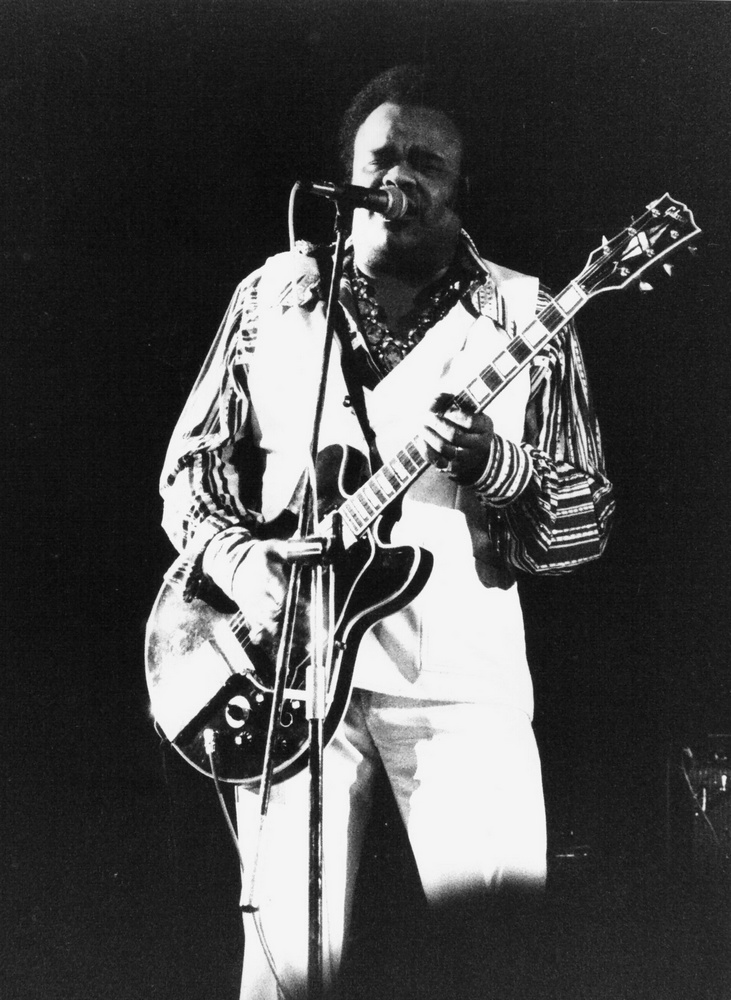
Freddie King (Chicago, 3 de setembro de 1934 – Dallas, 28 de dezembro de 1976) foi um músico, cantor e guitarrista de blues,
mais conhecido por suas músicas "Hide Away", "Have You Ever Loved a
Woman" e "Going Down". Foi considerado o 15º melhor guitarrista do
mundo pela revista norte-americana Rolling Stone.
King nasceu como Frederick Christian em Gilmer, Texas.
A sua mãe era Ella May King e o seu pai J.T. Christian. A sua mãe e o
seu tio começaram a ensiná-lo a tocar guitarra aos seis anos. Ele
gostou e imitou a música de Lightnin' Hopkins e do saxofonista Louis Jordan.
King tocava com uma palheta plástica de polegar e uma palheta de metal para o indicador. Ele atribuiu a Eddie Taylor
os ensinamentos sobre o uso das palhetas. A maneira de King usar a
alça da guitarra no ombro direito, sendo dextro, era única para sua
época. Freddie King era um dos artistas principais da cena do chamado Chicago blues dos anos 50 e 60, que era o local e época principal no desenvolvimento do chamado blues elétrico.
Em 1976 Freddie King morre, de problemas cardíacos, em Dallas, aos 42
anos. Primeiro entre os três grandes "Kings" do blues a nos deixar, os
outros dois sendo Albert King (falecido em 1992) e BB King (falecido em
2015). Eric Clapton, que fez um tour com ele entre 1974 e 1975, chegou a
declarar: "Freddie King foi quem me ensinou como fazer amor com uma
guitarra".
Perry Archangelo Bamonte (born 3 September 1960) is an English musician and illustrator, best known as a member of the rock band The Cure from 1990 to 2005, and again since 2022.
Biography
Born in London, England, Bamonte became a guitar tech for The Cure in 1984. He joined the band as keyboardist in 1990, replacing Roger O'Donnell who abruptly quit after a tour, and Bamonte played both guitar and keyboards on the band's 1992 album Wish.
Following the departure of Porl Thompson in 1993, Bamonte took on
additional lead guitar duties, O'Donnell rejoined in 1995 to fill the
keyboardist position. Bamonte appeared on the subsequent albums Wild Mood Swings, Bloodflowers, and The Cure. He has been credited for writing the music for the songs "Trust" from Wish, "This Is a Lie" from Wild Mood Swings, and "Anniversary" from The Cure. He also appeared on the live albums Paris and Show as well as Trilogy.
In 2005, it was reported that Bamonte and Roger O'Donnell were let go by the Cure's leader Robert Smith, who wanted to make some changes to the group. Smith reportedly wanted to make the band a three-piece. The news was officially announced on May 27, 2005 on The Cure's website. On June 18, 2005, The Cure announced the return of former guitarist Porl Thompson.
The seemingly abrupt changes in the band brought about rumors and
speculation, while no official statement was given by Smith as to why
Bamonte and O'Donnell were let go. While it was a surprise to both, both
Bamonte and O'Donnell remained on amicable terms with Smith.
In September 2012, Bamonte was revealed as the bassist for London band Love Amongst Ruin to help them tour their second album Lose Your Way.
In March, 2019, Bamonte joined fellow members of The Cure, past and present, for their induction into the 2019 Rock and Roll Hall of Fame.
Bamonte rejoined The Cure in 2022 onstage as a
guitarist/keyboardist, performing on the first night of the band’s “Lost
World Tour” in Riga, Latvia.
i like my body when it is with your body. It is so quite new a thing. Muscles better and nerves more. i like your body. i like what it does, i like its hows. i like to feel the spine of your body and its bones,and the trembling -firm-smooth ness and which i will again and again and again kiss, i like kissing this and that of you, i like, slowly stroking the,shocking fuzz of your electric furr,and what-is-it comes over parting flesh….And eyes big love-crumbs,
Walter Carl Becker (Queens, New York, February 20, 1950 – Manhattan, New York, September 3, 2017) was
an American musician, songwriter, and record producer. He was the
co-founder, guitarist, bassist, and co-songwriter of the jazz rock band Steely Dan.
Becker met future songwriting partner Donald Fagen while they were students at Bard College.
After a brief period of activity in New York City, the two moved to Los
Angeles in 1971 and formed the nucleus of Steely Dan, which enjoyed a
critically and commercially successful ten-year career. Following the
group's dissolution, Becker moved to Hawaii and reduced his musical
activity, working primarily as a record producer. In 1985, he briefly
became a member of the English band China Crisis, producing and playing synthesizer on their album Flaunt the Imperfection.
Alan Christie Wilson (Arlington, Massachusetts, July 4, 1943 – Topanga, California, September 3, 1970), nicknamed "Blind Owl", was an American musician, best known as the co-founder, leader, co-lead singer, and primary composer of the blues band Canned Heat.
He sang and played harmonica and guitar with the group live and on
recordings. Wilson was the lead singer for the group's two biggest U.S.
hit singles: "On the Road Again" and "Going Up the Country".
Early years
Alan
Christie Wilson was born to John (Jack) Wilson (1914–2000), a
bricklayer, and Shirley Bingham (1922–2011), an artist on July 4, 1943,
and grew up in the Boston suburb of Arlington, Massachusetts.
He had an older sister Darrell and was of English, Scottish, and German
descent. His parents divorced when he was 3 and both later remarried.
Wilson was highly intelligent, setting him apart from his peers. As a
result, he was often bullied by his schoolmates. His father Jack enjoyed
ham radio operation. Alan became involved as a child but soon turned
his interest to music after his stepmother Barbara bought him a jazz
record. Some of Wilson's first efforts at performing music publicly came
during his teen years when he learned trombone, teaching himself the
instrumental parts from the aforementioned jazz record. Later he formed a
jazz ensemble with other musically oriented friends from school called
Crescent City Hot Five.
Wilson was into traditional New Orleans
music, and later, classical European and Indian music. He was also on
the high school tennis team. Eventually, Wilson quit trombone. Around
the same time Wilson developed a fascination with blues music after a
friend played a Muddy Waters record for him, The Best of Muddy Waters. Inspired by Little Walter, he took up harmonica, and soon after the acoustic guitar after hearing a John Lee Hooker record. Some of Wilson's other major influences included Skip James, Robert Johnson, Son House, Charley Patton, Tommy Johnson, John Lee Hooker, Muddy Waters, and Bukka White. After graduating from Arlington High School in 1961, he majored in music at Boston University.
His academics earned him a National Merit Scholarship and the F.E.
Thompson Scholarship Fund from the Town of Arlington. Wilson developed
into a dedicated student of early blues, writing a number of articles
for the Broadside of Boston newspaper and the folk-revival magazine Little Sandy Review, including a piece on bluesman Robert Pete Williams.
Anxious to play music rather than study it, Wilson quit school after
only a year and a half. To make ends meet, Wilson worked with his father
as a bricklayer, and occasionally gave harmonica and guitar lessons.
Career
In 1962, Wilson met Harvard student and fellow blues enthusiast David Evans in a record store, and the two began playing as a team around the Cambridge
coffeehouse folk-blues circuit, with Evans on vocals and guitar, Wilson
on harmonica and occasionally second guitar. The two played a
repertoire of mostly classic-era blues covers. Heavily influenced by Skip James,
eventually Wilson began singing in a way similar way to James' high
pitch. In high school, Wilson studied James' 1931 recordings with great
ardor. Some of his first singing attempts took place behind a closed
bedroom door; and when a family member overheard him, he was
embarrassed. Wilson eventually perfected the high tenor for which he
would become known.
The early 1960s saw a "rediscovery" of pre-war blues artists by
young, white blues enthusiasts, including Mississippi John Hurt, Booker
White, Skip James
and Son House. In 1964, blues enthusiast Tom Hoskins located John Hurt,
who at the time had been working on a local farm in his native
Mississippi. Hoskins persuaded Hurt to come north to Cambridge for a
gig. Wilson was invited to accompany Hurt on harmonica. Said Hoskins,
"He was brilliant."
Son House, considered by Wilson to be one of the most impressive harmonica players in blues history, was located in Rochester,
NY in 1964, but it was evident that House had forgotten his songs due
to his long absence from music. Wilson played House's old recordings
from 1930 and 1943 for him. and demonstrated them on guitar to revive
House's memory. House recorded Father of Folk Blues for Columbia Records in 1965. Two of the selections on the set featured Wilson on harmonica and guitar. In a letter to Jazz Journal published in the September 1965 issue, Son House's manager Dick Waterman remarked the following about the project, and Wilson:
It is a solo album, except for backing on two cuts by a
21-year-old White boy from Cambridge by the name of Al Wilson. Al plays
second guitar on "Empire State Express" and harp on "Levee Camp Moan."
Al never recorded before, but he has backed John Hurt, Skip James,
Sleepy John Estes, Bukka White and many others. He is good, and the
record will prove it.
Al Wilson taught Son House how to play Son House. I can tell you,
flatly, that without Al invigorating and revitalizing Son, there would
have been no Son House rediscovery. All of Son’s successful concert
appearances, recordings and him being remembered as having a great
second career — all that was because of Al rejuvenating his music.
Canned Heat
During his time performing in Cambridge, Wilson met American guitarist John Fahey,
the "Father of American Primitive Guitar." With Fahey's encouragement,
Wilson moved with Fahey to Los Angeles in 1965 with the aim of having
Wilson assist with his UCLA master's thesis on Charley Patton.
Because Wilson forgot his glasses during the trip, Fahey gave him the
nickname "Blind Owl" owing to his extreme nearsightedness, roundish
facial features and scholarly nature.
In one instance when he was playing at a wedding, he laid his guitar on
the wedding cake because he did not see it. As Canned Heat's drummer
Fito de la Parra wrote in his book: "Without the glasses, Alan literally
could not recognize the people he played with at two feet, that's how
blind the 'Blind Owl' was."
Once in Los Angeles, Fahey released The Transfiguration of Blind Joe Death.
Wilson provided the liner notes under the pseudonym Charles Holloway,
Esq. In 1966, Wilson recorded a series of traditional Indian ragas on
Fahey's Takoma label but was never issued. Four of Wilson's ragas later
appeared as the nine-part soundscape "Pathenogenesis" on Canned Heat's
third album, Living the Blues. A portion of "Raga Kafi" is performed on the chromatic harmonica. Fahey's 1992 album Old Girlfriends and Other Horrible Memories features more of "Raga Kafi" in "Fear & Loathing at 4th & Butternut," although Wilson was not credited.[11]
In Los Angeles Wilson met fellow blues enthusiast and record collector, Bob "The Bear" Hite at a record store. Together they founded Canned Heat
in 1965. The band's name was taken from Tommy Johnson's 1928 song
"Canned Heat Blues," about an alcoholic who turned to drinking the
cooking fuel Sterno. Originally beginning as a jug band, Canned Heat
initially consisted of Hite on vocals, Wilson on bottleneck guitar,
Mike Perlowin on lead guitar, Stu Brotman on bass and Keith Sawyer on
drums. The group landed gigs at the Ash Grove in Hollywood, and after Perlowin dropped out, Hite invited his friend Henry "The Sunflower" Vestine, from Frank Zappa's Mothers of Invention
to join on guitar.
Johnny Otis produced the group's first full-length album in 1966. It
featured Hite, Wilson, Vestine, Brotman, and new drummer Frank Cook in
his studio just off Vine Street in Los Angeles. The record was not
released until 1970; and Vintage,
as it was titled, has since become the most re-packaged and bootlegged
record in Canned Heat's discography. Over a Summer hiatus, Brotman left Canned Heat and was replaced by Larry "The Mole" Taylor, an experienced session musician who played with Jerry Lee Lewis and The Monkees.
Canned Heat's first year was marked by infrequent gigs and public
indifference. Wilson later told Melody Maker, “The first year we were
together, we worked for three weeks. We’d get a gig, play three days and
get fired … because we refused to be a human jukebox.”
After a particularly disastrous engagement the group disbanded in
August 1966. During this period, Wilson and Vestine moved on to join the
Electric Beavers, an ensemble featuring a full horn section. The band
lasted for a short time on a rehearsal basis only. Eventually, Canned
Heat re-formed in November 1966. During a gig at the Ash Grove, Canned
Heat earned the attention of singer/songwriter Jackie DeShannon, who was married to the head of A&R at Liberty Records, Bud Dain.
The band released their first album, Canned Heat, featuring reworkings of older blues songs for Liberty Records in July 1967. Their first big live performance was at the Monterey Pop Festival
on June 17, 1967, where they performed renditions of "Rollin and
Tumblin," "Bullfrog Blues," and "Dust My Broom." Downbeat Magazine
praised the band's performance: “Technically, Vestine and Wilson are
quite possibly the best two-guitar team in the world and Wilson has
certainly become our finest white blues harmonica man."
Wilson wrote and sang the band's break out hit "On the Road Again," an
updated version of a 1950s composition by Floyd Jones, on the band's second release, Boogie with Canned Heat.
In an interview with Downbeat Magazine he remarked, "...on 'On the Road
Again' I appear in six different capacities – three tamboura parts,
harmonica, vocal, and guitar, all recorded at different times." "On the
Road Again" peaked at number 16 on the Billboard Hot 100, and at number 8
on the Uk singles charts earning the band immense popularity in Europe. Drummer Frank Cook
left the band in December 1967 and was replaced by Adolfo "Fito" de la
Parra.
Canned Heat's third album included the band's best-known song, also sung
by Wilson, "Going Up the Country." The song, an incarnation of Henry
Thomas' "Bull-Doze Blues" was rewritten by Wilson and caught the "back
to nature" attitude of the late 1960s. The tune was a hit in numerous
countries around the world, peaking at number 11 in the US. The "rural
hippie anthem" became the unofficial theme song for the Woodstock Festival where Canned Heat
performed at sunset on August 16, 1969. Although Canned Heat's live
performance was cut from the original theatrical release of the
Woodstock film, they were featured in the 25th anniversary "Director's
Cut."
The studio version of "Going Up the Country" was featured in the
Woodstock film; and in recent years has been heard in television
commercials for Geico Insurance, Subaru, and Pepsi.
Around this time, Wilson became disillusioned with Canned Heat
and considered quitting on several occasions. Upset over Vestine's
departure and becoming more averse to touring, Wilson expressed the
possibility of still recording but not touring with the band. Wilson
arranged to join Vestine's new band Sunn, and Frank Cook's group Pacific Gas and Electric, however both options fell through. Eventually Wilson ended up quitting Canned Heat
for about 2 weeks in late 1969, and again shortly before his death in
1970. But each time, he felt guilty and decided to go on tour again. His
increasing isolation became obvious, as footage of the band at this
time showed Wilson standing apart from his bandmates, and often hiding
behind rows of amps.[16]
Canned Heat's fifth album, Future Blues was released in August 1970 and featured the Wilbert Harrison
cover of "Let's Work Together." It became their biggest hit in the UK,
reaching number 2 on the Singles Chart for 15 weeks. The cover features
the band dressed as astronauts on the Moon, mocking the flag raising at Iwo Jima.
The upside-down American flag was Wilson's idea in response to the
country's social distress at the time, and his concern over the Moon
landing a year before. However, retailers like Sears and K-Mart found
the cover offensive and refused to stock the album.
In May 1970, Canned Heat teamed up with John Lee Hooker,
fulfilling a dream for Wilson of recording with one of his musical
idols. It would be his last recording. The resulting double album Hooker 'N' Heat
was the first in Hooker's career to make the charts. On the album,
Hooker is heard wondering how Wilson was capable of following his guitar
playing so well. Hooker was known to be a difficult performer to
accompany, partly because of his disregard of song form, yet Wilson
seemed to have no trouble at all following him on this album. Hooker
states that "you [Wilson] musta been listenin' to my records all your
life" and also stated that Wilson was the "greatest harmonica player
ever." Released after Wilson's death, the album cover features a framed
photo of Wilson on the wall behind the rest of Canned Heat.
On a night off in Britain on June 30, 1970, Wilson went to see his old friend Son House, who was performing at the 100 Club in London.
He sat in for “Between Midnight and Day” and “I Want to Go Home on the
Morning Train." The show was recorded and originally released as John The Revelator
on Liberty in 1970. The session was a concept album with House
narrating through his last European performance in a biblical format. It
was reissued in 1995 with extensive liner notes by David Evans as Delta Blues and Spirituals on Capitol Records and was posthumously dedicated to Wilson.
The last live footage of Wilson was taken at Canned Heat's
performance at the Kralingen Music Festival, Rotterdam, Netherlands on
June 26, 1970.
Wilson appeared with Canned Heat performing "One Kind Favor" during a party scene in the drama The Naked Zoo released in 1971.
Personal life
Wilson
suffered from anxiety and depression, rooted in his personal issues and
in his despair over the environment. According to some, he had a couple
of suicide attempts. Some sources say he never actually said he tried
to commit suicide and these were simply assumptions some who knew him
made after his death. As a child, Wilson experienced sleep paralysis, but later suffered from insomnia as an adult. To resolve his insomnia, Wilson started using the barbiturates Secobarbital,
or "reds" as they were known on the street. He had a nervous habit of
pulling and twisting his hair. In the summer of 1969, Wilson was
hospitalized for depression. During this time, he wrote the song "Poor
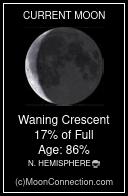
Moon," expressing his concern for pollution from the Moon landing that same year. In order to be released, however, Wilson was placed under Bob Hite's care in a legal custody agreement. Wilson was hospitalized again in the spring of 1970, as Canned Heat was scheduled to record an album with John Lee Hooker. Wilson reportedly attempted to drive his car off a freeway in Los Angeles, sustaining an injury to the top of his head.
There are conflicting stories of this as some say it was an accident
due to his poor eyesight and lack of driving experience. Wilson was
permitted to attend recording sessions, but would return to the hospital
at the conclusion of each session. His song "Human Condition," reflects
an encounter with his psychiatrist at one of his hospital stays.
Because Wilson was highly sensitive, introverted and struggled with
social situations, some believe he was on the autism spectrum.
With his talent and intellect, most dismissed him as brilliant but a
little odd, as autism was not well understood at the time. There are no
actual diagnoses indicating he was autistic. Others who knew him
disagree that he was autistic. Some who knew him also say that he was
not introverted but introspective. Despite his success, he was not very
successful with women, failing to relate to them or maintain long-term
relationships. However, he did have some girlfriends over the years,
though these relationships did not last long.
Due to his poor vision, Wilson did not learn how to drive until 1969, when Bob Hite gave him a camper van which doubled as a home. He had no interest in purchasing a home, and whenever Canned Heat was not on tour, Wilson would go camping to Yosemite or Sequoia National Park in his van at every opportunity.
Death
On
September 2, 1970, Canned Heat was scheduled to leave for Germany to
begin a European tour. Partly due to the inconveniences preventing him
from spending time outdoors, Wilson despised touring and travelling by
plane. He often missed flights and the band would fly without him while
he caught a later flight. When he missed his September 2 flight, this did not raise any alarms, and Bob Hite
assumed he was doing laundry to prepare for the tour. On September 3,
1970, Wilson was found dead in his sleeping bag on the hillside behind
Hite's Topanga Canyon home where he often slept. He was 27 years old. An autopsy identified his manner and cause of death as accidental acute barbiturate intoxication.
Although his death is sometimes reported as a suicide, this is not
clearly established as he left no note, and there were four pills left
in his pants found next to his body.
Wilson's death came fourteen months after the death of Brian Jones, just two weeks before the death of Jimi Hendrix, four weeks before the death of Janis Joplin, and ten months before the death of Jim Morrison, four artists who also died at the same age.
Wilson was cremated, and on September 13, 1970, a memorial service was
held at Menotomy Rocks Park in his hometown of Arlington. The service
was led by Reverend Wilbur Canaday who said, "We are using the sky as a
roof, and the ground as a floor, because he himself used nature’s great
wonders as his home.” Wilson's ashes were later scattered in Sequoia National Park amongst the redwoods he deeply loved.
Conservationism
Wilson was a passionate conservationist who loved reading books on botany and ecology.
He often slept outdoors to be closer to nature, and amassed a large
collection of pinecones. Wilson communicated with trees and plants
better than he did with people. He believed that trees were sentient
beings that could experience pain. In 1969, he wrote and recorded a song, "Poor Moon", which expressed concern over potential pollution of the Moon.
His clothes were often dirty and disheveled from collecting leaf and
soil samples outdoors. For this reason, Wilson avoided arrest in a drug
sting in 1967, when authorities raided Canned Heat's hotel room.
In 1970 Wilson established a conservation fund called Music Mountain
Foundation in the Skunk Cabbage Creek area of California to purchase a
grove to be added to Redwood National Park. The purpose of this organization was to raise money for the preservation of the coastal redwood, which Wilson saw increasingly endangered by pollution, and urban sprawl. Canned Heat
along with their manager agreed to donate proceeds from major concerts
after Wilson's death, however the donations were later misappropriated.
He wrote an essay called 'Grim Harvest', expressing his concern for the
logging of redwoods, which was printed as the liner notes to Future Blues.
It begins, "The redwoods of California are the tallest living things on
Earth, nearly the oldest, and among the most beautiful to boot." It
ends with a plea to "prevent Future Blues" by making a donation to his
organization.
Wilson briefly worked as an ecological consultant for the United States Forest Service
in 1969. He was appointed to perform a study on how rising levels of
pollution would affect plant life on Earth, and then to determine which
species could survive if pollution levels continued to rise at the rates
at the time. During his studies, Wilson was even credited as
discovering two new species of trees in the Pacific Northwest. When Wilson finished the study, he concluded that nothing could survive.
In order to support his dream, Wilson's family purchased a "grove
naming" in his memory through the Save the Redwoods League of
California. The money donated to create this memorial would be used by
the League to support redwood reforestation, research, education, and
land acquisition of both new and old growth redwoods.
Legacy
Wilson is
widely remembered as a pioneer of blues-rock during its crucial
development period of the 1960s who also promoted the revival of early Delta Blues.
Wilson was considered by many of his musical peers to be an expert on
the blues musicians who came before him; many considered him as
possessing an exceptional ability for connecting musically with the
elder bluesmen.
He was a gifted slide guitarist, harmonica player, songwriter and
vocalist. His recording career spanned only three years. Despite this,
he left behind a rich legacy of inspiration to fellow artists, music
scholars, and listeners alike. Mike Bloomfield of the Paul Butterfield Blues Band introduced him to Charlie Musselwhite as “the best goddamn harp player there is. He can do things that you’ve never heard before.”
Wilson's friend John Fahey has said that he was "among the most
significant influences on my musicianship," and that his work "must be
appreciated for its immortal, spellbinding beauty." Wilson is also
noteworthy for being one of the first environmentalists during the rise
of the 1960s "New Environmentalism" Movement and was highly dedicated to
protecting and preserving the California redwoods.
Nascido na Sicília, Frank era o sexto filho de um camponês que cultivava limões e laranjas,
Salvatore Capra, que teve sete filhos. Em 1898, o irmão mais velho,
Ben, fugiu de casa, aos 16 anos, sem avisar e, após cinco anos, a
família, que era toda analfabeta, recebeu uma carta de Los Angeles,
assinada por Morris Orsatti. A carta precisou ser lida pelo padre do
local, e informava que Ben estava em Los Angeles e não iria voltar. Ben embarcara num cargueirogrego, num porto a 48 quilómetros de Bisaquino, e após ter passado por várias aventuras, trabalhando inclusive como escravo, acabou chegando em Los Angeles, onde conheceu Morris Orsatti, que escreveu aos pais de Ben, pois ele era analfabeto.
Em abril de 1903, os pais e quatro dos irmãos de Ben chegavam a Los Angeles,
entre eles Frank, de seis anos, que passou a estudar e vender jornais
na rua e, mesmo contrariando a vontade dos pais, ingressou na Escola
Superior de Trabalhos Manuais. Durante os estudos, Frank trabalhou como
bedel em sua escola, como tocador de guitarra num restaurante, e como encartador no Los Angeles Times. Capra naturalizou-se cidadão dos Estados Unidos em 1920.
Posteriormente, Frank formou-se em engenharia química, em 1918, no Troop Polytechnic Institute, mas, devido à guerra,
não conseguiu emprego. Sobreviveu então vendendo livros, fotografias e
quinquilharias, até que soube que o Ginásio Israelita do Golden Gate Park, em San Francisco, seria transformado num estúdio cinematográfico. Após alguns dias, Frank já estava dirigindo o seu primeiro filme, A pensão de Fultah Fisher (Fultah Fisher’s Boarding House), lançado pela Pathé em 1922.
Carreira
Após o seu primeiro filme, em 1922, Capra trabalhou num laboratório de San Francisco, e um ano depois partiu para Hollywood, onde trabalhou como prop man, montando situações para comédias, e depois como escritor das comédias, para a série Os batutinhas, também conhecidos como Os peraltas (Our Gang).
Mack Sennett contratou-o como criador de situações cómicas, em função de um comediante que então despontava: Harry Langdon. Posteriormente, Capra acompanhou Langdon – que fundara a sua própria companhia – trabalhando com o diretor Harry Edwards na comédia O andarilho (Tramp, tramp, tramp), de 1926, na First National, com Joan Crawford em início de carreira.
Dirigiu depois O homem forte (The strong man, 1926), O pinto calçudo (Long Pants, 1927) e Filhos da fortuna (For the Love of Mike,
1927), todos da First National. Divorciou-se então de Helen Howell, com
quem se casara alguns anos antes, e atravessando uma fase de insucesso, ficou
desempregado.
Harry Cohn, um dos donos da então desconhecida Columbia Pictures,
escolheu o nome de Capra numa lista de diretores desempregados apenas
por intuição, sendo esse o ponto inicial de sua carreira.
Em 1932 casou-se com Lucille Reyburn, num casamento que durou até
1 de julho de 1984, quando ela faleceu. Tiveram quatro filhos: Frank
Jr., John (que faleceu aos três anos de idade), Lulu e Tom.
Após a guerra, Capra fundou a Liberty Films, juntamente com os diretores William Wyler e George Stevens, e o produtor Samuel Briskin, dirigindo o filme A felicidade não se compra, cuja distribuição foi confiada à RKO Pictures. Posteriormente a MGM decidiu financiar a Liberty Films. Em 1950, a Liberty foi vendida para a Paramount.
Em 1959 esteve no Brasil, para promover Os viúvos também sonham, produzido pela Sincap, empresa sua, em sociedade com Frank Sinatra, para a United Artists.
Victor Scherle e William Turner Levy escreveram o livro The films of Frank Capra, comentando sobre os seus filmes e incluindo comentários e opiniões de vários artistas e demais colegas do diretor.
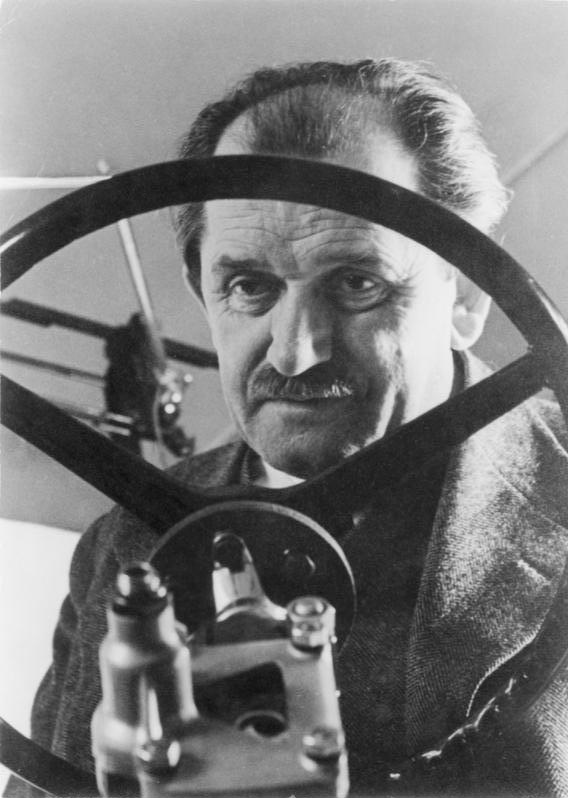
O Volkswagen Carocha- primeiro modelo de automóvel fabricado pela companhia alemãVolkswagen; o carro mais vendido no mundo, ultrapassando, em 1972, o recorde que pertencia até então ao Ford Modelo T
Textos, músicas, fotos e outros materiais aqui publicados, parte sem prévia autorização, são propriedade de seus autores, que são, sempre que possível, identificados e creditados. O seu uso deve-se a razões culturais, científicas e didáticas, sem objetivo comercial ou usurpação de autoria. Pretendemos apenas expressar admiração pelos autores, contribuindo para a sua divulgação, respeitando inteiramente pedidos de retirar os seus materiais.