O Curso de Geologia de 85/90 da Universidade de Coimbra escolheu o nome de Geopedrados quando participou na Queima das Fitas.
Ficou a designação, ficaram muitas pessoas com e sobre a capa intemporal deste nome, agora com oportunidade de partilhar as suas ideias, informações e materiais sobre Geologia, Paleontologia, Mineralogia, Vulcanologia/Sismologia, Ambiente, Energia, Biologia, Astronomia, Ensino, Fotografia, Humor, Música, Cultura, Coimbra e AAC, para fins de ensino e educação.
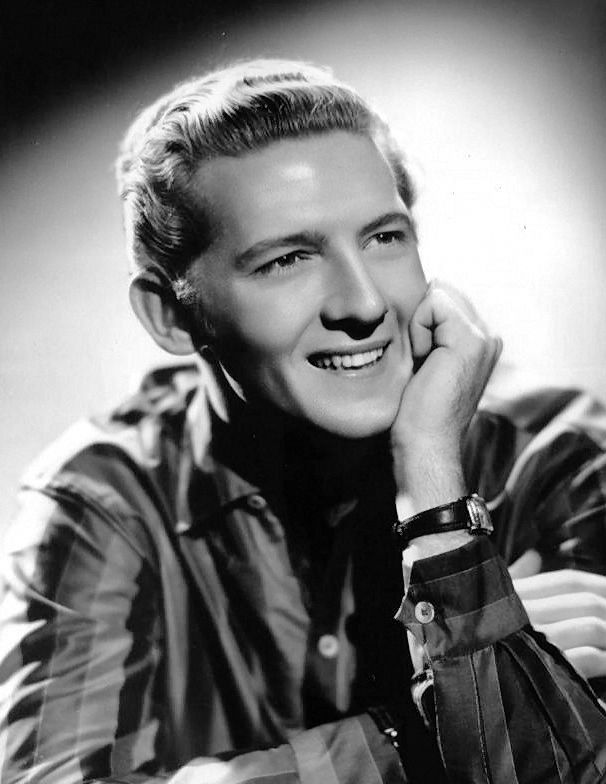
Jerry Lee Lewis (Ferriday, 29 de setembro de 1935 – DeSoto, 28 de outubro de 2022) foi um cantor, compositor e pianistanorte-americano de rock and roll,
considerado um dos pioneiros do género. Foi introduzido ao Rock and Roll Hall of Fame em 1986. Em 2004, a revista Rolling Stone colocou-o em vigésimo quarto lugar no seu ranking dos cem melhores artistas de todos os tempos.
Apelidado de The Killer, foi descrito como "o primeiro grande homem
selvagem do rock n' roll e um dos pianistas mais influentes do século
XX". Um pioneiro do rock and roll e do rockabilly, Lewis fez as suas primeiras gravações em 1956. na Sun Records
em Memphis, Tennessee. "Crazy Arms" vendeu 300.000 cópias no Sul, mas
foi seu hit de 1957 "Whole Lotta Shakin' Goin' On" que levou Lewis à
fama mundial. Ele seguiu isso com os grandes sucessos "Great Balls of
Fire", "Breathless" e "High School Confidential". A sua carreira no rock
and roll teve uma quebra após o seu casamento com Myra Gale Brown, sua prima de 13
anos.
A sua popularidade rapidamente diminuiu após o escândalo e, com poucas exceções, como um cover de "What'd I Say", de Ray Charles,
ele não teve muito sucesso nas paradas no início dos anos 60. As suas
performances ao vivo neste momento eram cada vez mais selvagens e
enérgicas. O seu álbum ao vivo de 1964, Live at the Star Club, Hamburg, é
considerado por muitos jornalistas de música e fãs em geral como um dos
melhores e mais loucos álbuns de rock ao vivo de todos os tempos. Em
1968, Lewis fez uma transição para a música country
e teve sucessos com músicas como "Another Place, Another Time". Isso
reacendeu a sua carreira e, ao longo do final dos anos 60 e 70, liderou
regularmente as paradas country-western; ao longo de sua
carreira de sete décadas, Lewis teve 30 músicas alcançando o Top 10 na
Billboard Country and Western Chart. Os seus hits country número 1
incluíram "To Make Love Sweeter for You",
"There Must Be More to Love Than This", "Would You Take Another Chance
on Me" e "Me and Bobby McGee".
Os sucessos de Lewis continuaram ao longo das décadas e ele
abraçou seu passado no rock and roll com músicas como um cover de
"Chantilly Lace" de The Big Bopper e "Rockin' My Life Away" de Mack
Vickery. No século 21, Lewis continuou a fazer turnês pelo mundo e
lançou novos álbuns. O seu álbum de 2006 Last Man Standing foi seu
lançamento mais vendido, com mais de um milhão de cópias em todo o
mundo. Isto foi seguido por Mean Old Man em 2010, outro de seus álbuns
mais vendidos. Jerry Lee Lewis Lewis teve vários discos de ouro no rock e na música country. Ele ganhou quatro prémios Grammy,
e dois Grammy Hall of Fame Awards. Lewis foi introduzido no Rock and
Roll Hall of Fame em 1986 e sua contribuição pioneira para o género foi
reconhecida pelo Rockabilly Hall of Fame. Ele também foi membro da
classe inaugural introduzida no Hall da Fama da Música de Memphis. Ele
foi introduzido no Country Music Hall of Fame em 2022. Em 1989, sua vida
foi narrada no filme Great Balls of Fire, feito por Dennis Quaid. Em 2003, a Rolling Stone
listou seu box set All Killer, No Filler: The Anthology no número 242
na sua lista dos "500 Maiores Álbuns de Todos os Tempos". Em 2004, eles o
classificaram em 24º lugar em sua lista dos 100 Maiores Artistas de
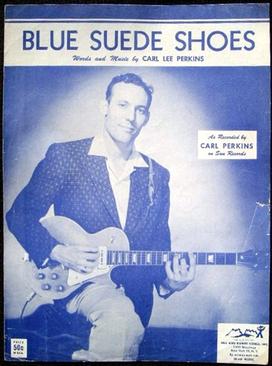
Todos os Tempos. Lewis foi o último membro sobrevivente do Million Dollar Quartet da Sun Records e do álbum Class of '55, que também incluía Johnny Cash, Carl Perkins, Roy Orbison e Elvis Presley. O crítico de música Robert Christgau disse sobre Lewis: "A sua força, o seu timing, o seu poder vocal improvisado, o seu inconfundível piano boogie e a sua absoluta confiança em face do vazio faziam de Jerry Lee o rock and roll por excelência".
Embora o seu sucesso tenha durado apenas um ano e meio, antes da sua morte, num acidente aéreo em 1959, conhecido como O Dia em que a Música Morreu (The Day the Music Died), em que morreram também os cantores Ritchie Valens e J.P. Richardson, Holly é descrito pelos críticos como "a força criativa mais influente dos primórdios do rock". Os seus trabalhos e inovações inspiraram e influenciaram tanto seus contemporâneos quanto futuros músicos, notavelmente The Beatles, The Rolling Stones, Eric Clapton, Don McLean e Bob Dylan, exercendo uma contribuição significante na música pop.
O nome de Holly foi um dos primeiros a serem incluídos no Hall da Fama do Rock and Roll quando da sua criação, em 1986. Em 2004, ele foi listado pela revista Rolling Stone
no 13ª lugar entre os "Maiores Artistas de Todos os Tempos". Foi
considerado o 80º melhor guitarrista de todos os tempos pela revista
norte-americana Rolling Stone.
Elvis Aaron Presley (East Tupelo, 8 de janeiro de 1935 - Memphis, 16 de agosto de 1977) foi um famoso músico e atornorte-americano, mundialmente denominado como o Rei do Rock. É também conhecido como Elvis The Pelvis, alcunha pelo qual ficou conhecido na década de 50 por sua maneira extravagante e ousada de dançar. Uma de suas maiores virtudes era a sua voz, devido ao seu alcance vocal, que atingia, segundo especialistas, notas musicais de difícil alcance para um cantor popular. A crítica
especializada reconhece o seu expressivo ganho, em extensão, com a
maturidade; além de virtuoso senso rítmico, força interpretativa e um timbre
de voz que o destacava entre os cantores populares, sendo avaliado
como um dos maiores e por outros como o melhor cantor popular do século XX.
Juntamente com o seu irmão Dorsey Burnette e um amigo, Paul Burlison, no começo dos anos 50, formou o Johnny Burnette Rock and Roll Trio. Eles são creditados como os criadores da palavra "Rockabilly".
Embora tenham conseguido um contrato com uma gravadora, o grupo separou-se em 1957, devido à falta de sucesso comercial, mas, quando se mudou para a Califórnia, nos anos 60, Burnette conseguiu obter alguns sucessos como "Dreamin" e "You're Sixteen", seguidos por "Little Boy Sad", um ano depois.
A carreira de Johnny Burnette teve um fim abrupto quando morreu,
afogado, aos trinta anos, num acidente de barco. Foi enterrado no Forest Lawn Memorial Park Cemetery, em Glendale, Califórnia.
O seu nome e o seu talento como compositor ganharam proeminência novamente quando Ringo Starr lançou um cover de "You're Sixteen", em 1973.
Ele é referenciado por muitos como o primeiro a popularizar este tipo de música, no início dos anos 1950, com seu grupo Bill Haley & His Comets e a canção "Rock Around the Clock".
Halley nasceu em Highland Park, Michigan e cresceu na Pensilvânia. Em 1946, ele formou o seu primeiro grupo profissional, uma banda country chamada Down Homers, depois da qual ele passou a seguir carreira a solo. Haley lançou inúmeros discos de country nos anos 40, sem sucesso, enquanto trabalhava de músico itinerante e DJ. Em 1951 ele e sua nova banda The Saddlemen
resolveram tocar em outro estilo, gravando versões das músicas "Rocket
88" e "Rock this Joint" de Jackie Brenston & Delta Cats (na
verdade música composta e executada por Ike Turner & The Kings of Rhythm, Jackie Brenston que assume os vocais nessa gravação era saxofonista dessa banda).
O sucesso relativo alcançado por elas convenceu Haley de que ele poderia ser um músico de rock famoso. Em 1952 os The Saddlemen passaram a se chamar Bill Haley & His Comets e, em 1952 a composição de Haley, "Crazy Man Crazy" tornou-se o primeiro rock a entrar nos hits de sucesso americanos.
Em 1953 uma canção chamada "Rock Around the Clock" foi composta para Haley, mas ele só conseguiria gravá-la em 12 de abril de 1954. Inicialmente não obteve sucesso, mas Haley logo alcançaria fama mundial com a sua versão de "Shake, Rattle and Roll"
de Big Joe Turner, que venderia milhões de cópias. Haley e sua banda
foram fundamentais ao divulgar a música conhecida como "Rock and Roll"
entre o público branco, depois de anos considerada como um movimento underground. Quando "Rock Around the Clock" apareceu na banda sonora do filme BlackBoard Jungle, desencadeou uma revolução musical, que abriu as portas a talentos como Elvis Presley.
Haley continuou a colecionar sucessos nos anos 50, como "See You Later
Alligator", e foi ator no primeiro musical cinematográfico de rock and roll. A sua fama seria ultrapassada nos Estados Unidos pelo mais famoso e mais sexy Elvis, mas Haley continuaria a ser um grande astro na América Latina e na Europa no resto da sua carreira. Os seus últimos shows foram na África, em 1980. Ele foi incluído no Hall da Fama do Rock and Roll em 1987.
Os Comets originais de 1954/55 ainda continuam a apresentar-se em
todo o mundo. Embora na faixa etária dos 70 aos 82, a banda não mostra
sinais de cansaço e recentemente lançou um DVD ao vivo.
Haley faleceu na sua casa, em Harlingen, Texas, em 1981, vítima de um tumor cerebral. O seu corpo foi cremado.
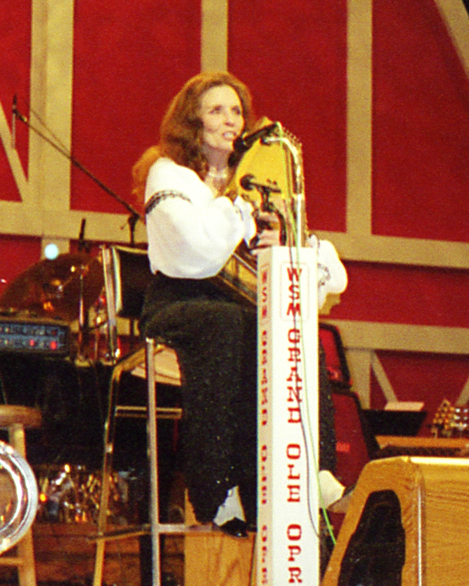
June Carter Cash (born Valerie June Carter; Maces Spring, Virginia, June 23, 1929 – Nashville, Tennessee, May 15, 2003) was an American singer, songwriter and dancer. A five-time Grammy award-winner, she was a member of the Carter Family and the second wife of singer Johnny Cash. Prior to her marriage to Cash, she was professionally known as June Carter
and occasionally was still credited as such after her marriage (as well
as on songwriting credits predating it). She played guitar, banjo, harmonica, and autoharp, and acted in several films and television shows. Carter Cash won five Grammy Awards and was inducted into the Christian Music Hall of Fame in 2009.
June Carter Cash was born Valerie June Carter in Maces Spring, Virginia, to Maybelle (née Addington) and Ezra Carter.
Her parents were country music performers and she performed with the
Carter Family from the age of 10, in 1939. In March 1943, when the
Carter Family trio stopped recording together at the end of the WBT contract, Maybelle Carter, with encouragement from her husband Ezra, formed "Mother Maybelle and the Carter Sisters" with her daughters, Helen, Anita, and June. The new group first aired on radio station WRNL in Richmond, Virginia,
on June 1. Doc (Addington) and Carl (McConnell) - Maybelle's brother and
cousin, respectively, known as "The Virginia Boys", joined them in late
1945. June, then 16, was a co-announcer with Ken Allyn and did the
commercials on the radio shows for Red Star Flour, Martha White, and Thalhimers Department Store, just to name a few. For the next year, the Carters and Doc and Carl did show dates within driving range of Richmond, through Virginia, Maryland, Delaware, and Pennsylvania. She attended John Marshall High School during this period.[4] June later said she had to work harder at her music than her sisters, but she had her own special talent —comedy.[5]
A highlight of the road shows was her "Aunt Polly" comedy routine. With
her thin and lanky frame, June Carter often played a comedic foil
during the group's performances alongside other Opry stars Faron Young and Webb Pierce.
Carl McConnell wrote in his memoirs that June was "a natural-born
clown, if there ever was one". Decades later, Carter revived Aunt Polly
for the 1976 TV series Johnny Cash & Friends.
After Doc and Carl dropped out of the music business in late 1946, Maybelle and her daughters moved to Sunshine Sue Workman's "Old Dominion Barn Dance" on the WRVA Richmond station. After a while there, they moved to WNOX in Knoxville, Tennessee, where they met Chet Atkins with Homer and Jethro.
In 1949, Mother Maybelle and the Carter Sisters, with their lead guitarist, Atkins, were living in Springfield, Missouri, and performing regularly at KWTO. Ezra "Eck" Carter, Maybelle's husband and manager of the group, declined numerous offers from the Grand Ole Opry to move the act to Nashville, Tennessee,
because the Opry would not permit Atkins to accompany the group
onstage. Atkins' reputation as a guitar player had begun to spread, and
studio musicians were fearful that he would displace them as a
'first-call' player if he came to Nashville. Finally, in 1950, Opry
management relented and the group, along with Atkins, became part of the
Opry company. Here the family befriended Hank Williams and Elvis Presley (to whom they were distantly related), and June met Johnny Cash.
June and her sisters, with mother Maybelle and aunt Sara joining
in from time to time, reclaimed the name "The Carter Family" for their
act during the 1960s and '70s.
As a singer, she had both a solo career and a career singing with
first her family and later her husband. As a solo artist, she became
somewhat successful with upbeat country tunes of the 1950s such as
"Jukebox Blues" and, with her exaggerated breaths, the comedic hit "No
Swallerin' Place" by Frank Loesser. June also recorded "The Heel" in the
1960s along with many other songs.
In the early 1960s, June Carter wrote the song "Ring of Fire", which later went on to be a hit for her future husband, Johnny Cash. She co-wrote the song with fellow songwriter Merle Kilgore. June wrote the lyrics about her relationship with Johnny Cash and she offered the song to her sister Anita Carter,
who was the first singer to record the song. In 1963, Johnny recorded
the song with the Carter Family singing backup, and added mariachi
horns. The song became a number-one hit and went on to become one of the
most recognizable songs in the world of country music.
In her autobiography, “I Walked the Line”, Johnny's first wife Vivian
Cash disputes the myth that June Carter co-wrote the song, "Ring of
Fire". Vivian relates the story that Johnny told her in 1963 that he
wrote the song with Merle Kilgore and Curly while fishing and that he
was going to give June half credit because “She needs the money. And I
like her.”
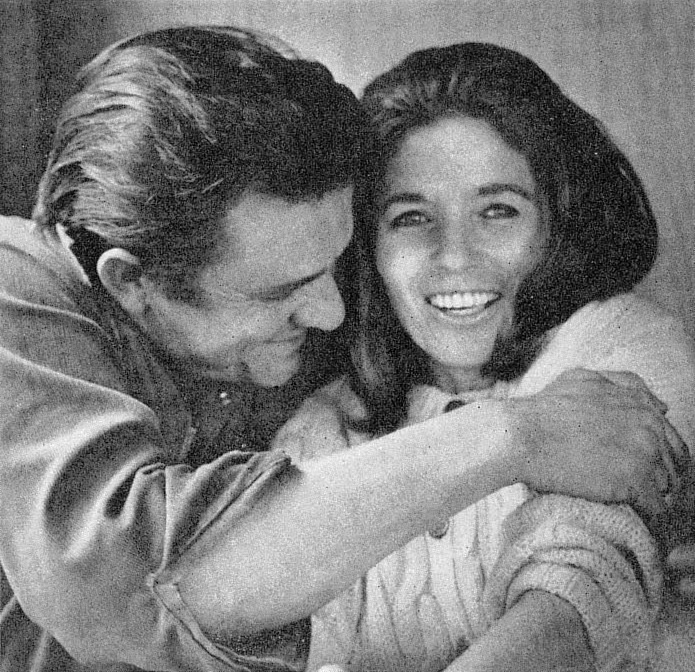
Her first notable studio performance with Johnny Cash occurred in 1964 when she duetted with Cash on "It Ain't Me Babe", a Bob Dylan composition, that was released as a single and on Cash's album Orange Blossom Special. In 1967, the two found more substantial success with their recording of "Jackson", which was followed by a collaboration album, Carryin' On with Johnny Cash and June Carter.
All these releases antedated her marriage to Cash (upon which event she
changed her professional name to June Carter Cash). She continued to
work with Cash on record and on stage for the rest of her life,
recording a number of duets with Cash for his various albums and being a
regular on The Johnny Cash Show from 1969 to 1971 and on Cash's annual Christmas specials. After Carryin' On, June Carter Cash recorded one more direct collaboration album, Johnny Cash and His Woman, released in 1973, and along with her daughters was a featured vocalist on Cash's 1974 album The Junkie and the Juicehead Minus Me. She also shared sleeve credit with her husband on a 2000 small-label gospel release, Return to the Promised Land
Although she provided vocals on many recordings, and shared the
billing with Cash on several album releases, June Carter Cash only
recorded three solo albums during her lifetime: the first, Appalachian Pride, released in 1975, Press On (1999), and Wildwood Flower, released posthumously in 2003 and produced by her son, John Carter Cash. Appalachian Pride is the only one of the three on which Johnny Cash does not perform, while Press On is notable for featuring June Carter Cash singing her original arrangement of "Ring of Fire".
One of her final appearances was a nonspeaking/nonsinging appearance in the music video for her husband's 2003 single, "Hurt",
filmed a few months before her death. One of her last known public
appearances was on April 7, 2003, just over a month before her death,
when she appeared on the CMT Flameworthy awards program to accept an achievement award on behalf of her husband, who was too ill to attend.
She won a Grammy award in 1999 for, Press On. Her last album, Wildwood Flower,
won two additional Grammys. It contains bonus video enhancements
showing extracts from the film of the recording sessions, which took
place at the Carter Family estate in Hiltons, Virginia,
on September 18–20, 2002. The songs on the album include "Big Yellow
Peaches", "Sinking in the Lonesome Sea", "Temptation", and the trademark
staple "Wildwood Flower".
Due to her involvement in providing backing vocals on many of her
husband's recordings, a further posthumous release occurred in 2014,
when Out Among the Stars
was released under Johnny Cash's name. The album consists of previously
unreleased recordings from the early 1980s, including two on which June
Carter Cash provides duet vocals.
Her autobiography was published in 1979, and she wrote a memoir, From the Heart, almost 10 years later.
Carter was married three times and had one child with each husband.
All three of her children went on to have successful careers in country
music. She was married first to country singer Carl Smith
from July 9, 1952, until their divorce in 1956. Together, they wrote
"Time's A-Wastin". They had a daughter, Rebecca Carlene Smith,
professionally known as Carlene Carter, a country musician.
June's second marriage was to Edwin "Rip" Nix, a former football player
and police officer on November 11, 1957. They had a daughter, Rosie Nix Adams,
on July 13, 1958. The couple divorced in 1966. Rosie was a country/rock
singer. On October 24, 2003, Rosie, aged 45, died from accidental
carbon monoxide poisoning. She and bluegrass musician Jimmy Campbell
were on a school bus, which had been converted for travel. Several
propane heaters were being used to heat the bus.
Carter and the entire Carter Family had performed with Johnny
Cash for a number of years. In 1968, Cash proposed to Carter during a
live performance at the London Ice House in London, Ontario. They married on March 1 in Franklin, Kentucky, and remained married until her death in May 2003, just four months before Cash died. The couple's son, John Carter Cash, is a musician, songwriter, and producer.
She also gained four stepdaughters from her third husband’s previous marriage to Vivian Liberto; including Cindy and Rosanne.
Carter's distant cousin, the 39th U.S. president Jimmy Carter,
became closely acquainted with Cash and Carter and maintained their
friendship throughout their lifetimes. In a June 1977 speech, Jimmy
Carter acknowledged that June Carter was his distant cousin.
Carter was a longtime supporter of SOS Children's Villages.
In 1974, the Cashes donated money to help build a village near their
home in Barrett Town, Jamaica, which they visited frequently, playing
the guitar and singing songs to the children in the village.
Carter died in
Nashville, Tennessee, on May 15, 2003, at the age of 73, from
complications following heart-valve replacement surgery, surrounded by
her family, including her husband of 35 years, Johnny Cash. At Carter's funeral, her stepdaughter Rosanne Cash
stated, "If being a wife were a corporation, June would have been a
CEO. It was her most treasured role." Johnny Cash died four months after
Carter's death, and Carter's daughter, Rosie Nix Adams, a month after that. All three are buried at the Hendersonville Memory Gardens near their home in Hendersonville, Tennessee.
June Carter Cash (born Valerie June Carter; Maces Spring, Virginia, June 23, 1929 – Nashville, Tennessee, May 15, 2003) was an American singer, songwriter and dancer. A five-time Grammy award-winner, she was a member of the Carter Family and the second wife of singer Johnny Cash. Prior to her marriage to Cash, she was professionally known as June Carter
and occasionally was still credited as such after her marriage (as well
as on songwriting credits predating it). She played guitar, banjo, harmonica, and autoharp, and acted in several films and television shows. Carter Cash won five Grammy Awards and was inducted into the Christian Music Hall of Fame in 2009.
June Carter Cash was born Valerie June Carter in Maces Spring, Virginia, to Maybelle (née Addington) and Ezra Carter.
Her parents were country music performers and she performed with the
Carter Family from the age of 10, in 1939. In March 1943, when the
Carter Family trio stopped recording together at the end of the WBT contract, Maybelle Carter, with encouragement from her husband Ezra, formed "Mother Maybelle and the Carter Sisters" with her daughters, Helen, Anita, and June. The new group first aired on radio station WRNL in Richmond, Virginia,
on June 1. Doc (Addington) and Carl (McConnell) - Maybelle's brother and
cousin, respectively, known as "The Virginia Boys", joined them in late
1945. June, then 16, was a co-announcer with Ken Allyn and did the
commercials on the radio shows for Red Star Flour, Martha White, and Thalhimers Department Store, just to name a few. For the next year, the Carters and Doc and Carl did show dates within driving range of Richmond, through Virginia, Maryland, Delaware, and Pennsylvania. She attended John Marshall High School during this period.[4] June later said she had to work harder at her music than her sisters, but she had her own special talent —comedy.[5]
A highlight of the road shows was her "Aunt Polly" comedy routine. With
her thin and lanky frame, June Carter often played a comedic foil
during the group's performances alongside other Opry stars Faron Young and Webb Pierce.
Carl McConnell wrote in his memoirs that June was "a natural-born
clown, if there ever was one". Decades later, Carter revived Aunt Polly
for the 1976 TV series Johnny Cash & Friends.
After Doc and Carl dropped out of the music business in late 1946, Maybelle and her daughters moved to Sunshine Sue Workman's "Old Dominion Barn Dance" on the WRVA Richmond station. After a while there, they moved to WNOX in Knoxville, Tennessee, where they met Chet Atkins with Homer and Jethro.
In 1949, Mother Maybelle and the Carter Sisters, with their lead guitarist, Atkins, were living in Springfield, Missouri, and performing regularly at KWTO. Ezra "Eck" Carter, Maybelle's husband and manager of the group, declined numerous offers from the Grand Ole Opry to move the act to Nashville, Tennessee,
because the Opry would not permit Atkins to accompany the group
onstage. Atkins' reputation as a guitar player had begun to spread, and
studio musicians were fearful that he would displace them as a
'first-call' player if he came to Nashville. Finally, in 1950, Opry
management relented and the group, along with Atkins, became part of the
Opry company. Here the family befriended Hank Williams and Elvis Presley (to whom they were distantly related), and June met Johnny Cash.
June and her sisters, with mother Maybelle and aunt Sara joining
in from time to time, reclaimed the name "The Carter Family" for their
act during the 1960s and '70s.
As a singer, she had both a solo career and a career singing with
first her family and later her husband. As a solo artist, she became
somewhat successful with upbeat country tunes of the 1950s such as
"Jukebox Blues" and, with her exaggerated breaths, the comedic hit "No
Swallerin' Place" by Frank Loesser. June also recorded "The Heel" in the
1960s along with many other songs.
In the early 1960s, June Carter wrote the song "Ring of Fire", which later went on to be a hit for her future husband, Johnny Cash. She co-wrote the song with fellow songwriter Merle Kilgore. June wrote the lyrics about her relationship with Johnny Cash and she offered the song to her sister Anita Carter,
who was the first singer to record the song. In 1963, Johnny recorded
the song with the Carter Family singing backup, and added mariachi
horns. The song became a number-one hit and went on to become one of the
most recognizable songs in the world of country music.
In her autobiography, “I Walked the Line”, Johnny's first wife Vivian
Cash disputes the myth that June Carter co-wrote the song, "Ring of
Fire". Vivian relates the story that Johnny told her in 1963 that he
wrote the song with Merle Kilgore and Curly while fishing and that he
was going to give June half credit because “She needs the money. And I
like her.”
Her first notable studio performance with Johnny Cash occurred in 1964 when she duetted with Cash on "It Ain't Me Babe", a Bob Dylan composition, that was released as a single and on Cash's album Orange Blossom Special. In 1967, the two found more substantial success with their recording of "Jackson", which was followed by a collaboration album, Carryin' On with Johnny Cash and June Carter.
All these releases antedated her marriage to Cash (upon which event she
changed her professional name to June Carter Cash). She continued to
work with Cash on record and on stage for the rest of her life,
recording a number of duets with Cash for his various albums and being a
regular on The Johnny Cash Show from 1969 to 1971 and on Cash's annual Christmas specials. After Carryin' On, June Carter Cash recorded one more direct collaboration album, Johnny Cash and His Woman, released in 1973, and along with her daughters was a featured vocalist on Cash's 1974 album The Junkie and the Juicehead Minus Me. She also shared sleeve credit with her husband on a 2000 small-label gospel release, Return to the Promised Land
Although she provided vocals on many recordings, and shared the
billing with Cash on several album releases, June Carter Cash only
recorded three solo albums during her lifetime: the first, Appalachian Pride, released in 1975, Press On (1999), and Wildwood Flower, released posthumously in 2003 and produced by her son, John Carter Cash. Appalachian Pride is the only one of the three on which Johnny Cash does not perform, while Press On is notable for featuring June Carter Cash singing her original arrangement of "Ring of Fire".
One of her final appearances was a nonspeaking/nonsinging appearance in the music video for her husband's 2003 single, "Hurt",
filmed a few months before her death. One of her last known public
appearances was on April 7, 2003, just over a month before her death,
when she appeared on the CMT Flameworthy awards program to accept an achievement award on behalf of her husband, who was too ill to attend.
She won a Grammy award in 1999 for, Press On. Her last album, Wildwood Flower,
won two additional Grammys. It contains bonus video enhancements
showing extracts from the film of the recording sessions, which took
place at the Carter Family estate in Hiltons, Virginia,
on September 18–20, 2002. The songs on the album include "Big Yellow
Peaches", "Sinking in the Lonesome Sea", "Temptation", and the trademark
staple "Wildwood Flower".
Due to her involvement in providing backing vocals on many of her
husband's recordings, a further posthumous release occurred in 2014,
when Out Among the Stars
was released under Johnny Cash's name. The album consists of previously
unreleased recordings from the early 1980s, including two on which June
Carter Cash provides duet vocals.
Her autobiography was published in 1979, and she wrote a memoir, From the Heart, almost 10 years later.
Carter was married three times and had one child with each husband.
All three of her children went on to have successful careers in country
music. She was married first to country singer Carl Smith
from July 9, 1952, until their divorce in 1956. Together, they wrote
"Time's A-Wastin". They had a daughter, Rebecca Carlene Smith,
professionally known as Carlene Carter, a country musician.
June's second marriage was to Edwin "Rip" Nix, a former football player
and police officer on November 11, 1957. They had a daughter, Rosie Nix Adams,
on July 13, 1958. The couple divorced in 1966. Rosie was a country/rock
singer. On October 24, 2003, Rosie, aged 45, died from accidental
carbon monoxide poisoning. She and bluegrass musician Jimmy Campbell
were on a school bus, which had been converted for travel. Several
propane heaters were being used to heat the bus.
Carter and the entire Carter Family had performed with Johnny
Cash for a number of years. In 1968, Cash proposed to Carter during a
live performance at the London Ice House in London, Ontario. They married on March 1 in Franklin, Kentucky, and remained married until her death in May 2003, just four months before Cash died. The couple's son, John Carter Cash, is a musician, songwriter, and producer.
She also gained four stepdaughters from her third husband’s previous marriage to Vivian Liberto; including Cindy and Rosanne.
Carter's distant cousin, the 39th U.S. president Jimmy Carter,
became closely acquainted with Cash and Carter and maintained their
friendship throughout their lifetimes. In a June 1977 speech, Jimmy
Carter acknowledged that June Carter was his distant cousin.
Carter was a longtime supporter of SOS Children's Villages.
In 1974, the Cashes donated money to help build a village near their
home in Barrett Town, Jamaica, which they visited frequently, playing
the guitar and singing songs to the children in the village.
Carter died in
Nashville, Tennessee, on May 15, 2003, at the age of 73, from
complications following heart-valve replacement surgery, surrounded by
her family, including her husband of 35 years, Johnny Cash. At Carter's funeral, her stepdaughter Rosanne Cash
stated, "If being a wife were a corporation, June would have been a
CEO. It was her most treasured role." Johnny Cash died four months after
Carter's death, and Carter's daughter, Rosie Nix Adams, a month after that. All three are buried at the Hendersonville Memory Gardens near their home in Hendersonville, Tennessee.
Nelson começou a sua carreira em 1949, tocando sozinho numa radionovela, The Adventures of Ozzie and Harriet (As aventuras de Ozzie e Harriet), e, em 1952, apareceu no seu primeiro filme, Here Come the Nelsons (Aqui estão os Nelsons). Em 1957 gravou o seu primeiro single, começando como cantor na versão televisiva do siticom e gravou o seu primeiro álbum, Ricky.
Em 1958, Nelson gravou a sua primeira música a ficar no top, "Poor
Little Fool", e, em 1959, recebeu um Globo de Ouro como Revelação
Masculina; depois que fez um filme de cow-boys, Rio Bravo.
Alguns filmes vieram a seguir e, quando a série foi cancelada, em
1966, Nelson fez algumas aparições eventuais como astro convidado em
vários programas de televisão. Nelson e Sharon Kristin Harmon casaram a
20 de abril de 1963 e divorciaram-se em dezembro de 1982. Eles
tiveram 4 filhos: Tracy Kristine, os gémeos Gunnar Eric e Matthew
Gray, e Sam Hilliard. Em 14 de fevereiro de 1981, Nelson teve um filho
com Georgeann Crewe (um teste em 1985 confirmou a paternidade).
Nelson estava a namorar com Helen Blair quando morreu, num acidente de
avião, a 31 de dezembro de 1985.
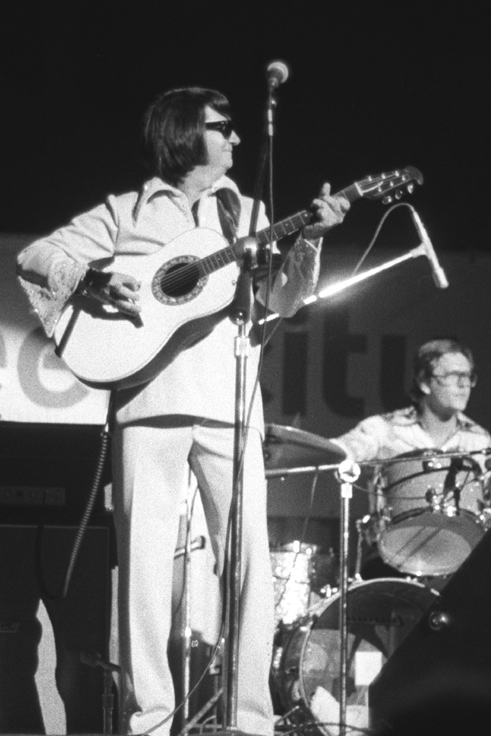
Roy Kelton Orbison (Vernon, 23 de abril de 1936 - Hendersonville, 6 de dezembro de 1988), apelidado de "The Big O", foi um influente cantor e compositor norte-americano e um dos pioneiros do rock and roll,
e cuja carreira se estendeu por mais de quatro décadas. Orbison foi
internacionalmente reconhecido pelas suas baladas sobre amores
impossíveis, pelas suas melodias ritmicamente avançadas, o seu timbre
vocal de três oitavas, os seus característicos óculos escuras e um
ocasional uso de falsete, tipificado nas canções como "Only The Lonely", "Oh, Pretty Woman" e "Crying". Em 1988 foi incluído, postumamente, na galeria da fama de compositores de música.
Textos, músicas, fotos e outros materiais aqui publicados, parte sem prévia autorização, são propriedade de seus autores, que são, sempre que possível, identificados e creditados. O seu uso deve-se a razões culturais, científicas e didáticas, sem lucro, objetivo comercial ou usurpação de autoria. Pretendemos apenas expressar admiração pelos autores, contribuindo para a sua divulgação, respeitando inteiramente pedidos de retirar os seus materiais.


_1.jpg)