quarta-feira, julho 29, 2026
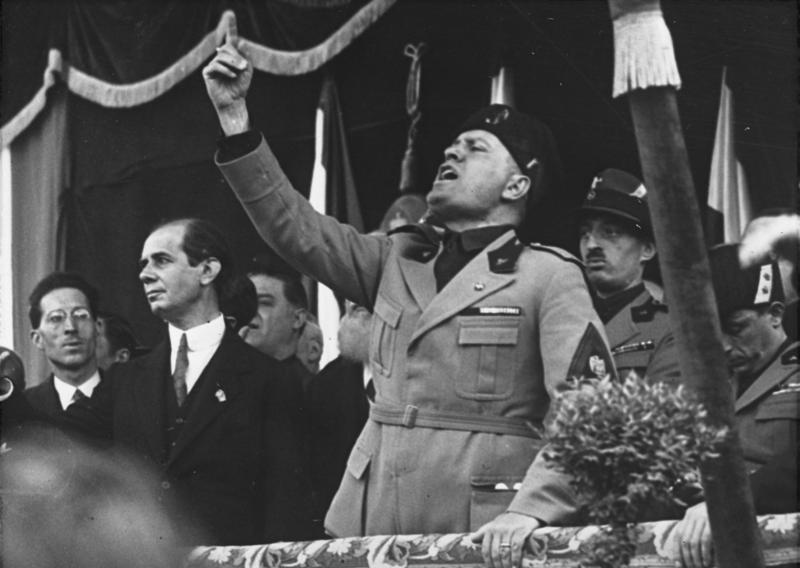
O ditador fascista Mussolini nasceu há 143 anos
Postado por Fernando Martins às 01:43 0 comentários
Marcadores: fascistas, II Grande Guerra, II Guerra Mundial, Itália, Mussolini, nazis, República de Saló
terça-feira, abril 28, 2026
Música para recordar ditadores...
O avô cavernoso - José Afonso
O avô cavernoso
Instituiu a chuva
Ratificou a demora
Persignou-se
Ninguém o chora agora
Perfumou-se
Vinte mil léguas de virgens vieram
Inutéis e despidas
Flores de malva
E a boina bem segura
Sobre a calva
Ao avô cavernoso quem viu a tonsura?
E a tenda dos milagres e a privada?
Na tenda que foi nítida conjura
As flores de malva murcham devagar
Devagar
Até que se ouvem gritos, matinadas
NOTA: também gostamos muito da versão dos Mão Morta...
Postado por Pedro Luna às 13:07 0 comentários
Marcadores: António de Oliveira Salazar, Avô Cavernoso, estado novo, II República, José Afonso, Mão Morta, música, Mussolini, Salazar, Zeca Afonso
O ditador fascista Mussolini foi sumariamente fuzilado há 81 anos
Benito Amilcare Andrea Mussolini (Predappio, 29 de julho de 1883 - Mezzegra, 28 de abril de 1945) foi um político italiano que liderou o Partido Nacional Fascista e é referenciado como sendo uma das figuras-chave na criação do Fascismo.
Postado por Fernando Martins às 08:10 0 comentários
Marcadores: assassinato, ditadores, Fascismo, II Grande Guerra, II Guerra Mundial, Il Duce, Itália, Mussolini, República de Salò
domingo, novembro 09, 2025
Neville Chamberlain morreu há 85 anos...
Arthur Neville Chamberlain (Birmingham, 18 de março de 1869 – Heckfield, 9 de novembro de 1940) foi um político britânico do Partido Conservador, Primeiro-Ministro do Reino Unido entre maio de 1937 e maio de 1940. Chamberlain ficou conhecido pela sua política externa de apaziguamento, e, em particular, por ter assinado o Acordo de Munique, em 1938, o qual concedia a Região dos Sudetos da Checoslováquia à Alemanha. Quando Adolf Hitler continuou com a sua agressão, ao invadir a Polónia, os britânicos declararam guerra à Alemanha, a 3 de setembro de 1939, e Chamberlain liderou o Reino Unido nos primeiros oito meses da Segunda Guerra Mundial.
Postado por Fernando Martins às 08:50 0 comentários
Marcadores: Acordo de Munique, anexação, Checoslováquia, Hitler, II Grande Guerra, II Guerra Mundial, Mussolini, nazis, Neville Chamberlain, política de apaziguamento
terça-feira, outubro 28, 2025
A Marcha sobre Roma, que infelizmente levou os fascistas ao poder na Itália, foi há cento e três anos...
Postado por Fernando Martins às 01:03 0 comentários
Marcadores: ditadores, fascistas, Itália, marcha sobre Roma, Mussolini
segunda-feira, setembro 08, 2025
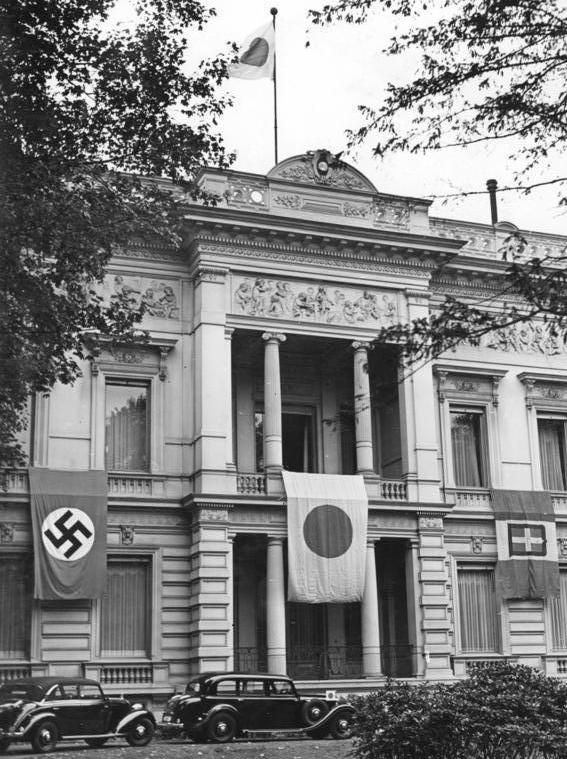
A Itália rendeu-se aos Aliados há 82 anos
![]()
The Italian government, recognising the impossibility of continuing the unequal struggle against an overwhelming enemy force, in order to avoid further and graver disasters for the Nation, sought an armistice from general Eisenhower, commander-in-chief of the Anglo-American Allied forces. The request was granted. Consequently, all acts of hostility against the Anglo-American force by Italian forces must cease everywhere. But they may react to possible attacks from any other source.
The abandonment of Rome by the military high command, the head of government Badoglio, King Victor Emmanuel III and the king's son, Crown Prince Umberto, their move towards Pescara then Brindisi, and above all the proclamation's use of a format which did not give the clauses of the armistice in a clearly comprehensible form (which was largely wrongly interpreted as meaning a complete end to the war) all led to confusion. This was particularly so among the Italian Armed Forces on all fronts, who remained unaware of the armistice's precise content and disbanded themselves. Over 600,000 Italian soldiers were captured by the German army and sent to various prisoner of war camps under the designation I.M.I. (internati militari italiani, or Italian Military Internees) in the weeks immediately after the announcement. More than half of all Italian soldiers laid down their arms and returned home (as referred to in the title of the 1960 film set at the time, Tutti a casa). The Italian and German high commands intercepted the Eisenhower broadcast first and so the Germans immediately put Operation Achse into effect to disarm their former allies and occupy the whole Italian Peninsula, on 9 September sinking the Italian battleship Roma, which had been ordered on the night of 8 September to sail with the entire Italian fleet to Malta in accordance with the armistice's clauses, under the cover-story of attacking the Allied forces landing at Salerno in Operation Baytown.
At the same time part of the Italian armed forces decided to remain loyal to the king, giving rise to the Italian resistance (one of whose first examples ended in the massacre of the 33rd Infantry Division "Acqui" on Cephalonia by the Germans) and part joined the free individuals, parties and movements such as the Brigata Maiella. Other branches, especially in the north, such as the Xª Flottiglia MAS, decided to remain loyal to fascist Italy and the Germans. Despite the proclamation, the Allies thwarted a massive and immediate release of Italian prisoners of war loyal to the Italian king and the Badoglio regime, to avoid their possibly rejoining the Fascist forces in northern Italy.
Postado por Fernando Martins às 08:20 0 comentários
Marcadores: aliados, Badoglio, II Grande Guerra, II Guerra Mundial, Itália, Mussolini, rendição
terça-feira, julho 29, 2025
O ditador fascista Mussolini nasceu há 142 anos
Postado por Fernando Martins às 01:42 0 comentários
Marcadores: fascistas, II Grande Guerra, II Guerra Mundial, Itália, Mussolini, nazis, República de Saló
segunda-feira, abril 28, 2025
O ditador fascista Mussolini foi executado há oitenta anos
Benito Amilcare Andrea Mussolini (Predappio, 29 de julho de 1883 - Mezzegra, 28 de abril de 1945) foi um político italiano que liderou o Partido Nacional Fascista e é referenciado como sendo uma das figuras-chave na criação do Fascismo.
Postado por Fernando Martins às 00:08 0 comentários
Marcadores: assassinato, ditadores, Fascismo, II Grande Guerra, II Guerra Mundial, Il Duce, Itália, Mussolini, República de Salò
sábado, novembro 09, 2024
Neville Chamberlain morreu há 84 anos
Arthur Neville Chamberlain (Birmingham, 18 de março de 1869 – Heckfield, 9 de novembro de 1940) foi um político britânico do Partido Conservador, Primeiro-Ministro do Reino Unido entre maio de 1937 e maio de 1940. Chamberlain ficou conhecido pela sua política externa de apaziguamento, e, em particular, por ter assinado o Acordo de Munique, em 1938, o qual concedia a Região dos Sudetos da Checoslováquia à Alemanha. Quando Adolf Hitler continuou com a sua agressão, ao invadir a Polónia, os britânicos declararam guerra à Alemanha, a 3 de setembro de 1939, e Chamberlain liderou o Reino Unido nos primeiros oito meses da Segunda Guerra Mundial.
Postado por Fernando Martins às 08:40 0 comentários
Marcadores: Acordo de Munique, anexação, Checoslováquia, Hitler, II Grande Guerra, II Guerra Mundial, Mussolini, nazis, Neville Chamberlain, política de apaziguamento
segunda-feira, outubro 28, 2024
A Marcha sobre Roma, que levou o partido fascista ao poder na Itália, foi há cento e dois anos
Postado por Fernando Martins às 01:02 0 comentários
Marcadores: ditadores, fascistas, Itália, marcha sobre Roma, Mussolini
domingo, setembro 08, 2024
O Reino de Itália rendeu-se aos Aliados há 81 anos
![]()
The Italian government, recognising the impossibility of continuing the unequal struggle against an overwhelming enemy force, in order to avoid further and graver disasters for the Nation, sought an armistice from general Eisenhower, commander-in-chief of the Anglo-American Allied forces. The request was granted. Consequently, all acts of hostility against the Anglo-American force by Italian forces must cease everywhere. But they may react to possible attacks from any other source.
The abandonment of Rome by the military high command, the head of government Badoglio, King Victor Emmanuel III and the king's son, Crown Prince Umberto, their move towards Pescara then Brindisi, and above all the proclamation's use of a format which did not give the clauses of the armistice in a clearly comprehensible form (which was largely wrongly interpreted as meaning a complete end to the war) all led to confusion. This was particularly so among the Italian Armed Forces on all fronts, who remained unaware of the armistice's precise content and disbanded themselves. Over 600,000 Italian soldiers were captured by the German army and sent to various prisoner of war camps under the designation I.M.I. (internati militari italiani, or Italian Military Internees) in the weeks immediately after the announcement. More than half of all Italian soldiers laid down their arms and returned home (as referred to in the title of the 1960 film set at the time, Tutti a casa). The Italian and German high commands intercepted the Eisenhower broadcast first and so the Germans immediately put Operation Achse into effect to disarm their former allies and occupy the whole Italian Peninsula, on 9 September sinking the Italian battleship Roma, which had been ordered on the night of 8 September to sail with the entire Italian fleet to Malta in accordance with the armistice's clauses, under the cover-story of attacking the Allied forces landing at Salerno in Operation Baytown.
At the same time part of the Italian armed forces decided to remain loyal to the king, giving rise to the Italian resistance (one of whose first examples ended in the massacre of the 33rd Infantry Division "Acqui" on Cephalonia by the Germans) and part joined the free individuals, parties and movements such as the Brigata Maiella. Other branches, especially in the north, such as the Xª Flottiglia MAS, decided to remain loyal to fascist Italy and the Germans. Despite the proclamation, the Allies thwarted a massive and immediate release of Italian prisoners of war loyal to the Italian king and the Badoglio regime, to avoid their possibly rejoining the Fascist forces in northern Italy.
Postado por Fernando Martins às 08:10 0 comentários
Marcadores: aliados, Badoglio, II Grande Guerra, II Guerra Mundial, Itália, Mussolini, rendição
segunda-feira, julho 29, 2024
O ditador fascista Mussolini nasceu há 141 anos
Postado por Fernando Martins às 01:41 0 comentários
Marcadores: fascistas, II Grande Guerra, II Guerra Mundial, Itália, Mussolini, nazis, República de Saló
domingo, abril 28, 2024
O ditador fascista Mussolini foi assassinado há 79 anos
Benito Amilcare Andrea Mussolini (Predappio, 29 de julho de 1883 - Mezzegra, 28 de abril de 1945) foi um político italiano que liderou o Partido Nacional Fascista e é referenciado como sendo uma das figuras-chave na criação do Fascismo.
Postado por Fernando Martins às 07:09 0 comentários
Marcadores: assassinato, ditadores, Fascismo, II Grande Guerra, II Guerra Mundial, Il Duce, Itália, Mussolini, República de Salò
quinta-feira, novembro 09, 2023
Neville Chamberlain morreu há 83 anos
Arthur Neville Chamberlain (Birmingham, 18 de março de 1869 – Heckfield, 9 de novembro de 1940) foi um político britânico do Partido Conservador, Primeiro-Ministro do Reino Unido entre maio de 1937 e maio de 1940. Chamberlain ficou conhecido pela sua política externa de apaziguamento, e, em particular, por ter assinado o Acordo de Munique, em 1938, o qual concedia a Região dos Sudetos da Checoslováquia à Alemanha. Quando Adolf Hitler continuou com a sua agressão, ao invadir a Polónia, os britânicos declararam guerra à Alemanha, a 3 de setembro de 1939, e Chamberlain liderou o Reino Unido nos primeiros oito meses da Segunda Guerra Mundial.
Postado por Fernando Martins às 08:30 0 comentários
Marcadores: Acordo de Munique, anexação, Checoslováquia, Hitler, II Grande Guerra, II Guerra Mundial, Mussolini, nazis, Neville Chamberlain, política de apaziguamento
sábado, outubro 28, 2023
A Marcha sobre Roma que levou o partido fascista ao poder na Itália foi há cento e um anos
Postado por Fernando Martins às 01:01 0 comentários
Marcadores: ditadores, fascistas, Itália, marcha sobre Roma, Mussolini
sexta-feira, setembro 08, 2023
O Reino de Itália rendeu-se aos Aliados há oitenta anos
The Italian government, recognising the impossibility of continuing the unequal struggle against an overwhelming enemy force, in order to avoid further and graver disasters for the Nation, sought an armistice from general Eisenhower, commander-in-chief of the Anglo-American Allied forces. The request was granted. Consequently, all acts of hostility against the Anglo-American force by Italian forces must cease everywhere. But they may react to possible attacks from any other source.
The abandonment of Rome by the military high command, the head of government Badoglio, King Victor Emmanuel III and the king's son, Crown Prince Umberto, their move towards Pescara then Brindisi, and above all the proclamation's use of a format which did not give the clauses of the armistice in a clearly comprehensible form (which was largely wrongly interpreted as meaning a complete end to the war) all led to confusion. This was particularly so among the Italian Armed Forces on all fronts, who remained unaware of the armistice's precise content and disbanded themselves. Over 600,000 Italian soldiers were captured by the German army and sent to various prisoner of war camps under the designation I.M.I. (internati militari italiani, or Italian Military Internees) in the weeks immediately after the announcement. More than half of all Italian soldiers laid down their arms and returned home (as referred to in the title of the 1960 film set at the time, Tutti a casa). The Italian and German high commands intercepted the Eisenhower broadcast first and so the Germans immediately put Operation Achse into effect to disarm their former allies and occupy the whole Italian Peninsula, on 9 September sinking the Italian battleship Roma, which had been ordered on the night of 8 September to sail with the entire Italian fleet to Malta in accordance with the armistice's clauses, under the cover-story of attacking the Allied forces landing at Salerno in Operation Baytown.
At the same time part of the Italian armed forces decided to remain loyal to the king, giving rise to the Italian resistance (one of whose first examples ended in the massacre of the 33rd Infantry Division "Acqui" on Cephalonia by the Germans) and part joined the free individuals, parties and movements such as the Brigata Maiella. Other branches, especially in the north, such as the Xª Flottiglia MAS, decided to remain loyal to fascist Italy and the Germans. Despite the proclamation, the Allies thwarted a massive and immediate release of Italian prisoners of war loyal to the Italian king and the Badoglio regime, to avoid their possibly rejoining the Fascist forces in northern Italy.
Postado por Fernando Martins às 00:08 0 comentários
Marcadores: aliados, Badoglio, II Grande Guerra, II Guerra Mundial, Itália, Mussolini, rendição
sábado, julho 29, 2023
O ditador fascista Mussolini nasceu há cento e quarenta anos
Postado por Fernando Martins às 00:14 0 comentários
Marcadores: fascistas, II Grande Guerra, II Guerra Mundial, Itália, Mussolini, nazis, República de Saló