quarta-feira, outubro 21, 2026
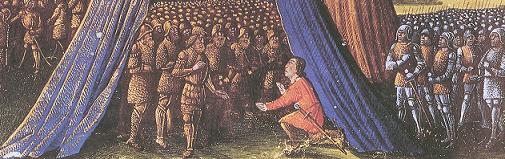
Lisboa foi finalmente (re)conquistada há 879 anos...!
Postado por Fernando Martins às 08:07 0 comentários
Marcadores: Cerco de Lisboa, cruzadas, D. Afonso Henriques, Lisboa, Martim Moniz, reconquista
sexta-feira, outubro 02, 2026
Hoje é dia de chorar a perda de Jerusalém...
Chris de Burgh - Crusader
"What do I do next?" said the Bishop to the Priest,
"I have spent my whole life waiting, preparing for the Feast,
And now you say Jerusalem has fallen and is lost,
The King of Heathen Saracen has seized the Holy Cross;"
Then the Priest said "Oh my Bishop, we must put them to the sword,
For God in all His mercy will find a just reward,
For the Noblemen and sinners, and Knights of ready hand
Who will be the Lord's Crusader, send word through all the land,
Jerusalem is lost,
Jerusalem is lost,
Jerusalem is lost,"
"tell me what to do," said the King upon his throne,
"But speak to me in whispers, for we are not alone,
They tell me that Jerusalem has fallen to the hand
Of some bedevilled Eastern heathen who has seized the Holy Land;"
Then the Chamberlain said "Lord, we must call upon our foes
In Spain and France and Germany to end our bitter wars,
All Christian men must be as one and gather for the fight,
You will be their leader, begin the Battle cry,
Jerusalem is lost,
Jerusalem is lost,
Jerusalem is lost,
Ooh, high on a hill, in the town of Jerusalem,
There stood Saladin, the King of the Saracens,
Whoring and drinking and snoring and sinking, around him his army lay,
Secure in the knowledge he had won the day;
A messenger came, blood on his feet and a wound in his chest,
"The Christians are coming!" he said, "I have seen their Cross in the West,"
In a rage Saladin struck him down with his knife,
And he said "I know that this man lies,
They quarrel too much, the Christians could never unite!
I am invincible, I am the King,
I am invincible, and I will win..."
Closer they came, the army of Richard Lionheart,
Marching by day and night, with soldiers from every part,
And when the Crusaders came over the mountain and they saw Jerusalem,
They fell to their knees and prayed for her release;
They started the battle at dawn, taking the city by storm,
With horsemen and bowmen and engines of war,
They broke through the city walls,
The Heathens were flying and screaming and dying,
And the Christian swords were strong,
And Saladin ran when he heard their victory song;
"We are invincible, God is the King,
We are invincible, and we will win!"
"What do I do now?" said the Wise man to the Fool,
"I have spent my whole life searching, to find the Golden Rule,
Though centuries have disappeared, the memory still remains;
Of those enemies together, could it be that way again?"
Then the Fool said "Oh you Wise men, you really make me laugh,
With your talk of vast persuasion and searching through the past,
There is only greed and evil in the men who fight today,
The Song of the Crusader has long since gone away,
Jerusalem is lost,
Jerusalem is lost,
Jerusalem is lost,
Jerusalem."
Postado por Pedro Luna às 22:22 0 comentários
Marcadores: Balião de Ibelin, Chris de Burgh, Crusader, cruzadas, Jerusalém, música, Saladino
Jerusalém caiu há 839 anos...
Postado por Fernando Martins às 08:39 0 comentários
Marcadores: Balião de Ibelin, cruzadas, Jerusalém, Saladino
terça-feira, setembro 08, 2026
Ricardo Coração de Leão nasceu há 867 anos
Ricardo I (Oxford, 8 de setembro de 1157 – Châlus, 6 de abril de 1199), também conhecido como Ricardo Coração de Leão, pela sua grande reputação como guerreiro e líder militar, foi o Rei da Inglaterra de 6 de julho de 1189 até 6 de abril de 1199. Também foi Duque da Normandia, Aquitânia e Gasconha, Senhor do Chipre, Conde de Anjou, Maine e Nantes e suserano da Bretanha em vários momentos durante o mesmo período. Foi o terceiro filho do rei Henrique II de Inglaterra e da rainha Leonor da Aquitânia.
Aos dezasseis anos, Ricardo comandou o seu próprio exército, acabando com rebeliões contra o seu pai em Poitou. Ele foi o principal comandante cristão durante a Terceira Cruzada, liderando a campanha depois da saída de Filipe II de França, conseguindo consideráveis vitórias contra Saladino, o líder muçulmano, mesmo não tendo conseguido conquistar Jerusalém.
Ricardo falava a língua de oïl, um dialeto francês, e a língua occitana, uma língua falada no sul da França e nas regiões próximas. Ele viveu no Ducado da Aquitânia e passou pouquíssimo tempo na Inglaterra, preferindo usar o seu reino como uma fonte de rendimentos para apoiar os seus exércitos. Era visto por seus súbditos como um herói piedoso. Ricardo permanece até hoje como um dos poucos reis ingleses mais lembrados pelo epíteto do que pelo número régio, sendo uma grande figura icónica na Inglaterra e França.
Postado por Fernando Martins às 08:06 0 comentários
Marcadores: cruzadas, Inglaterra, Rei, Ricardo Coração de Leão
quarta-feira, março 04, 2026
Saladino morreu há 833 anos...
Túmulo de Saladino em Damasco
Nácer Salá Adim Iúçufe ibne Aiube (Tikrit, circa 1138 - Damasco, 4 de março de 1193), melhor conhecido como Saladino (em latim: Saladinus), foi um chefe militar curdo muçulmano que se tornou sultão do Egito e da Síria e liderou a oposição islâmica aos cruzados europeus no Levante. No auge de seu poder, o seu domínio estendia-se pelo Egito, Palestina, Síria, Iraque, Iémem e pelo Hejaz. Foi responsável pela reconquista de Jerusalém ao Reino de Jerusalém, após a sua vitória na Batalha de Hattin e, como tal, tornou-se uma figura emblemática na cultura curda, árabe, persa, turca e islâmica em geral. Saladino, adepto do islamismo sunita, tornou-se célebre entre os cronistas cristãos da época, pela sua conduta cavalheiresca, especialmente nos relatos sobre o cerco de Kerak em Moabe, e apesar de ser a némesis dos cruzados, conquistou o respeito de muitos deles, incluindo Ricardo Coração de Leão. Longe de se tornar uma figura odiada na Europa, tornou-se um exemplo célebre dos princípios da cavalaria medieval.
in Wikipédia
Postado por Fernando Martins às 08:33 0 comentários
Marcadores: cavaleiro, cruzadas, curdos, Islão, Jerusalém, muçulmanos, Saladino
terça-feira, outubro 21, 2025
Lisboa foi (re)conquistada há 878 anos...!
Postado por Fernando Martins às 08:07 0 comentários
Marcadores: Cerco de Lisboa, cruzadas, D. Afonso Henriques, Lisboa, Martim Moniz, reconquista
quinta-feira, outubro 02, 2025
Jerusalém caiu há 838 anos...
Chris de Burgh - Crusader
"What do I do next?" said the Bishop to the Priest,
"I have spent my whole life waiting, preparing for the Feast,
And now you say Jerusalem has fallen and is lost,
The King of Heathen Saracen has seized the Holy Cross;"
Then the Priest said "Oh my Bishop, we must put them to the sword,
For God in all His mercy will find a just reward,
For the Noblemen and sinners, and Knights of ready hand
Who will be the Lord's Crusader, send word through all the land,
Jerusalem is lost,
Jerusalem is lost,
Jerusalem is lost,"
"tell me what to do," said the King upon his throne,
"But speak to me in whispers, for we are not alone,
They tell me that Jerusalem has fallen to the hand
Of some bedevilled Eastern heathen who has seized the Holy Land;"
Then the Chamberlain said "Lord, we must call upon our foes
In Spain and France and Germany to end our bitter wars,
All Christian men must be as one and gather for the fight,
You will be their leader, begin the Battle cry,
Jerusalem is lost,
Jerusalem is lost,
Jerusalem is lost,
Ooh, high on a hill, in the town of Jerusalem,
There stood Saladin, the King of the Saracens,
Whoring and drinking and snoring and sinking, around him his army lay,
Secure in the knowledge he had won the day;
A messenger came, blood on his feet and a wound in his chest,
"The Christians are coming!" he said, "I have seen their Cross in the West,"
In a rage Saladin struck him down with his knife,
And he said "I know that this man lies,
They quarrel too much, the Christians could never unite!
I am invincible, I am the King,
I am invincible, and I will win..."
Closer they came, the army of Richard Lionheart,
Marching by day and night, with soldiers from every part,
And when the Crusaders came over the mountain and they saw Jerusalem,
They fell to their knees and prayed for her release;
They started the battle at dawn, taking the city by storm,
With horsemen and bowmen and engines of war,
They broke through the city walls,
The Heathens were flying and screaming and dying,
And the Christian swords were strong,
And Saladin ran when he heard their victory song;
"We are invincible, God is the King,
We are invincible, and we will win!"
"What do I do now?" said the Wise man to the Fool,
"I have spent my whole life searching, to find the Golden Rule,
Though centuries have disappeared, the memory still remains;
Of those enemies together, could it be that way again?"
Then the Fool said "Oh you Wise men, you really make me laugh,
With your talk of vast persuasion and searching through the past,
There is only greed and evil in the men who fight today,
The Song of the Crusader has long since gone away,
Jerusalem is lost,
Jerusalem is lost,
Jerusalem is lost,
Jerusalem."
Postado por Fernando Martins às 08:38 0 comentários
Marcadores: Balião de Ibelin, Chris de Burgh, Crusader, cruzadas, Jerusalém, música, Saladino
segunda-feira, setembro 08, 2025
Ricardo Coração de Leão nasceu há 868 anos
Ricardo I (Oxford, 8 de setembro de 1157 – Châlus, 6 de abril de 1199), também conhecido como Ricardo Coração de Leão, pela sua grande reputação como guerreiro e líder militar, foi o Rei da Inglaterra de 6 de julho de 1189 até 6 de abril de 1199. Também foi Duque da Normandia, Aquitânia e Gasconha, Senhor do Chipre, Conde de Anjou, Maine e Nantes e suserano da Bretanha em vários momentos durante o mesmo período. Foi o terceiro filho do rei Henrique II de Inglaterra e da rainha Leonor da Aquitânia.
Aos dezasseis anos, Ricardo comandou o seu próprio exército, acabando com rebeliões contra o seu pai em Poitou. Ele foi o principal comandante cristão durante a Terceira Cruzada, liderando a campanha depois da saída de Filipe II de França, conseguindo consideráveis vitórias contra Saladino, o líder muçulmano, mesmo não tendo conseguido conquistar Jerusalém.
Ricardo falava a língua de oïl, um dialeto francês, e a língua occitana, uma língua falada no sul da França e nas regiões próximas. Ele viveu no Ducado da Aquitânia e passou pouquíssimo tempo na Inglaterra, preferindo usar o seu reino como uma fonte de rendimentos para apoiar os seus exércitos. Era visto por seus súbditos como um herói piedoso. Ricardo permanece até hoje como um dos poucos reis ingleses mais lembrados pelo epíteto do que pelo número régio, sendo uma grande figura icónica na Inglaterra e França.
Postado por Fernando Martins às 08:06 0 comentários
Marcadores: cruzadas, Inglaterra, Rei, Ricardo Coração de Leão
terça-feira, março 04, 2025
Saladino morreu há 832 anos...
Túmulo de Saladino em Damasco
Nácer Salá Adim Iúçufe ibne Aiube (Tikrit, circa 1138 - Damasco, 4 de março de 1193), melhor conhecido como Saladino (em latim: Saladinus), foi um chefe militar curdo muçulmano que se tornou sultão do Egito e da Síria e liderou a oposição islâmica aos cruzados europeus no Levante. No auge de seu poder, o seu domínio estendia-se pelo Egito, Palestina, Síria, Iraque, Iémem e pelo Hejaz. Foi responsável pela reconquista de Jerusalém ao Reino de Jerusalém, após a sua vitória na Batalha de Hattin e, como tal, tornou-se uma figura emblemática na cultura curda, árabe, persa, turca e islâmica em geral. Saladino, adepto do islamismo sunita, tornou-se célebre entre os cronistas cristãos da época, pela sua conduta cavalheiresca, especialmente nos relatos sobre o cerco de Kerak em Moabe, e apesar de ser a némesis dos cruzados, conquistou o respeito de muitos deles, incluindo Ricardo Coração de Leão. Longe de se tornar uma figura odiada na Europa, tornou-se um exemplo célebre dos princípios da cavalaria medieval.
in Wikipédia
Postado por Fernando Martins às 08:32 0 comentários
Marcadores: cavaleiro, cruzadas, curdos, Islão, Jerusalém, muçulmanos, Saladino
segunda-feira, outubro 21, 2024
Lisboa foi (re)conquistada há 877 anos...!
Postado por Fernando Martins às 00:08 0 comentários
Marcadores: Cerco de Lisboa, cruzadas, D. Afonso Henriques, Lisboa, Martim Moniz, reconquista
quarta-feira, outubro 02, 2024
Jerusalém caiu há 837 anos...
Chris de Burgh - Crusader
"What do I do next?" said the Bishop to the Priest,
"I have spent my whole life waiting, preparing for the Feast,
And now you say Jerusalem has fallen and is lost,
The King of Heathen Saracen has seized the Holy Cross;"
Then the Priest said "Oh my Bishop, we must put them to the sword,
For God in all His mercy will find a just reward,
For the Noblemen and sinners, and Knights of ready hand
Who will be the Lord's Crusader, send word through all the land,
Jerusalem is lost,
Jerusalem is lost,
Jerusalem is lost,"
"tell me what to do," said the King upon his throne,
"But speak to me in whispers, for we are not alone,
They tell me that Jerusalem has fallen to the hand
Of some bedevilled Eastern heathen who has seized the Holy Land;"
Then the Chamberlain said "Lord, we must call upon our foes
In Spain and France and Germany to end our bitter wars,
All Christian men must be as one and gather for the fight,
You will be their leader, begin the Battle cry,
Jerusalem is lost,
Jerusalem is lost,
Jerusalem is lost,
Ooh, high on a hill, in the town of Jerusalem,
There stood Saladin, the King of the Saracens,
Whoring and drinking and snoring and sinking, around him his army lay,
Secure in the knowledge he had won the day;
A messenger came, blood on his feet and a wound in his chest,
"The Christians are coming!" he said, "I have seen their Cross in the West,"
In a rage Saladin struck him down with his knife,
And he said "I know that this man lies,
They quarrel too much, the Christians could never unite!
I am invincible, I am the King,
I am invincible, and I will win..."
Closer they came, the army of Richard Lionheart,
Marching by day and night, with soldiers from every part,
And when the Crusaders came over the mountain and they saw Jerusalem,
They fell to their knees and prayed for her release;
They started the battle at dawn, taking the city by storm,
With horsemen and bowmen and engines of war,
They broke through the city walls,
The Heathens were flying and screaming and dying,
And the Christian swords were strong,
And Saladin ran when he heard their victory song;
"We are invincible, God is the King,
We are invincible, and we will win!"
"What do I do now?" said the Wise man to the Fool,
"I have spent my whole life searching, to find the Golden Rule,
Though centuries have disappeared, the memory still remains;
Of those enemies together, could it be that way again?"
Then the Fool said "Oh you Wise men, you really make me laugh,
With your talk of vast persuasion and searching through the past,
There is only greed and evil in the men who fight today,
The Song of the Crusader has long since gone away,
Jerusalem is lost,
Jerusalem is lost,
Jerusalem is lost,
Jerusalem."
Postado por Fernando Martins às 08:37 0 comentários
Marcadores: Balião de Ibelin, Chris de Burgh, Crusader, cruzadas, Jerusalém, música, Saladino
domingo, setembro 08, 2024
Ricardo I, dito Coração de Leão, nasceu há 867 anos
Ricardo I (Oxford, 8 de setembro de 1157 – Châlus, 6 de abril de 1199), também conhecido como Ricardo Coração de Leão, pela sua grande reputação como guerreiro e líder militar, foi o Rei da Inglaterra de 6 de julho de 1189 até 6 de abril de 1199. Também foi Duque da Normandia, Aquitânia e Gasconha, Senhor do Chipre, Conde de Anjou, Maine e Nantes e suserano da Bretanha em vários momentos durante o mesmo período. Foi o terceiro filho do rei Henrique II de Inglaterra e da rainha Leonor da Aquitânia.
Aos dezasseis anos, Ricardo comandou seu próprio exército, acabando com rebeliões contra o seu pai em Poitou. Ele foi o principal comandante cristão durante a Terceira Cruzada, liderando a campanha depois da saída de Filipe II de França, conseguindo consideráveis vitórias contra Saladino, o líder muçulmano, mesmo não tendo conseguido conquistar Jerusalém.
Ricardo falava a língua de oïl, um dialeto francês, e a língua occitana, uma língua falada no sul da França e nas regiões próximas. Ele viveu no Ducado da Aquitânia e passou pouquíssimo tempo na Inglaterra, preferindo usar o seu reino como uma fonte de rendimentos para apoiar os seus exércitos. Era visto por seus súbditos como um herói piedoso. Ricardo permanece até hoje como um dos poucos reis ingleses mais lembrados pelo epíteto do que pelo número régio, sendo uma grande figura icónica na Inglaterra e França.
Postado por Fernando Martins às 08:06 0 comentários
Marcadores: cruzadas, Inglaterra, Rei, Ricardo Coração de Leão
segunda-feira, março 04, 2024
Saladino morreu há 831 anos...
Túmulo de Saladino em Damasco
Nácer Salá Adim Iúçufe ibne Aiube (Tikrit, circa 1138 - Damasco, 4 de março de 1193), melhor conhecido como Saladino (em latim: Saladinus), foi um chefe militar curdo muçulmano que se tornou sultão do Egito e da Síria e liderou a oposição islâmica aos cruzados europeus no Levante. No auge de seu poder, o seu domínio estendia-se pelo Egito, Palestina, Síria, Iraque, Iémem e pelo Hejaz. Foi responsável pela reconquista de Jerusalém ao Reino de Jerusalém, após a sua vitória na Batalha de Hattin e, como tal, tornou-se uma figura emblemática na cultura curda, árabe, persa, turca e islâmica em geral. Saladino, adepto do islamismo sunita, tornou-se célebre entre os cronistas cristãos da época, pela sua conduta cavalheiresca, especialmente nos relatos sobre o cerco de Kerak em Moabe, e apesar de ser a némesis dos cruzados, conquistou o respeito de muitos deles, incluindo Ricardo Coração de Leão. Longe de se tornar uma figura odiada na Europa, tornou-se um exemplo célebre dos princípios da cavalaria medieval.
in Wikipédia
Postado por Fernando Martins às 08:31 0 comentários
Marcadores: cavaleiro, cruzadas, curdos, Islão, Jerusalém, muçulmanos, Saladino
sábado, outubro 21, 2023
Lisboa foi reconquistada há 876 anos
Postado por Fernando Martins às 08:07 0 comentários
Marcadores: Cerco de Lisboa, cruzadas, D. Afonso Henriques, Lisboa, reconquista
segunda-feira, outubro 02, 2023
Jerusalém caiu há 836 anos...
Chris de Burgh - Crusader
"What do I do next?" said the Bishop to the Priest,
"I have spent my whole life waiting, preparing for the Feast,
And now you say Jerusalem has fallen and is lost,
The King of Heathen Saracen has seized the Holy Cross;"
Then the Priest said "Oh my Bishop, we must put them to the sword,
For God in all His mercy will find a just reward,
For the Noblemen and sinners, and Knights of ready hand
Who will be the Lord's Crusader, send word through all the land,
Jerusalem is lost,
Jerusalem is lost,
Jerusalem is lost,"
"tell me what to do," said the King upon his throne,
"But speak to me in whispers, for we are not alone,
They tell me that Jerusalem has fallen to the hand
Of some bedevilled Eastern heathen who has seized the Holy Land;"
Then the Chamberlain said "Lord, we must call upon our foes
In Spain and France and Germany to end our bitter wars,
All Christian men must be as one and gather for the fight,
You will be their leader, begin the Battle cry,
Jerusalem is lost,
Jerusalem is lost,
Jerusalem is lost,
Ooh, high on a hill, in the town of Jerusalem,
There stood Saladin, the King of the Saracens,
Whoring and drinking and snoring and sinking, around him his army lay,
Secure in the knowledge he had won the day;
A messenger came, blood on his feet and a wound in his chest,
"The Christians are coming!" he said, "I have seen their Cross in the West,"
In a rage Saladin struck him down with his knife,
And he said "I know that this man lies,
They quarrel too much, the Christians could never unite!
I am invincible, I am the King,
I am invincible, and I will win..."
Closer they came, the army of Richard Lionheart,
Marching by day and night, with soldiers from every part,
And when the Crusaders came over the mountain and they saw Jerusalem,
They fell to their knees and prayed for her release;
They started the battle at dawn, taking the city by storm,
With horsemen and bowmen and engines of war,
They broke through the city walls,
The Heathens were flying and screaming and dying,
And the Christian swords were strong,
And Saladin ran when he heard their victory song;
"We are invincible, God is the King,
We are invincible, and we will win!"
"What do I do now?" said the Wise man to the Fool,
"I have spent my whole life searching, to find the Golden Rule,
Though centuries have disappeared, the memory still remains;
Of those enemies together, could it be that way again?"
Then the Fool said "Oh you Wise men, you really make me laugh,
With your talk of vast persuasion and searching through the past,
There is only greed and evil in the men who fight today,
The Song of the Crusader has long since gone away,
Jerusalem is lost,
Jerusalem is lost,
Jerusalem is lost,
Jerusalem."
Postado por Fernando Martins às 08:36 0 comentários
Marcadores: Balião de Ibelin, Chris de Burgh, Crusader, cruzadas, Jerusalém, Saladino
sexta-feira, setembro 08, 2023
Ricardo Coração de Leão nasceu há 866 anos
Ricardo I (Oxford, 8 de setembro de 1157 – Châlus, 6 de abril de 1199), também conhecido como Ricardo Coração de Leão, pela sua grande reputação como guerreiro e líder militar, foi o Rei da Inglaterra de 6 de julho de 1189 até 6 de abril de 1199. Também foi Duque da Normandia, Aquitânia e Gasconha, Senhor do Chipre, Conde de Anjou, Maine e Nantes e suserano da Bretanha em vários momentos durante o mesmo período. Foi o terceiro filho do rei Henrique II de Inglaterra e da rainha Leonor da Aquitânia.
Aos dezasseis anos, Ricardo comandou seu próprio exército, acabando com rebeliões contra o seu pai em Poitou. Ele foi o principal comandante cristão durante a Terceira Cruzada, liderando a campanha depois da saída de Filipe II de França, conseguindo consideráveis vitórias contra Saladino, o líder muçulmano, mesmo não tendo conseguido conquistar Jerusalém.
Ricardo falava a língua de oïl, um dialeto francês, e a língua occitana, uma língua falada no sul da França e nas regiões próximas. Ele viveu no Ducado da Aquitânia e passou pouquíssimo tempo na Inglaterra, preferindo usar o seu reino como uma fonte de rendimentos para apoiar os seus exércitos. Era visto por seus súbditos como um herói piedoso. Ricardo permanece até hoje como um dos poucos reis ingleses mais lembrados pelo epíteto do que pelo número régio, sendo uma grande figura icónica na Inglaterra e França.
Postado por Fernando Martins às 08:06 0 comentários
Marcadores: cruzadas, Inglaterra, Rei, Ricardo Coração de Leão